For generations, the Dutch oven has held a revered spot in kitchens worldwide, celebrated for its unmatched ability to transform simple ingredients into culinary masterpieces. But in today’s dynamic world, where kitchen space is a premium and lifestyles lean towards efficiency, the spotlight is increasingly turning to its charming, equally capable sibling: the Small Dutch Oven. Far from being just a scaled-down version of its larger counterpart, a small Dutch oven brings its own set of unique advantages, making it an indispensable tool for solo chefs, cozy couples, and anyone passionate about crafting delicious food without the fuss of oversized cookware.
Whether you’re simmering a delicate sauce, baking a rustic loaf of bread, or preparing a comforting meal for one, the small Dutch oven offers all the classic benefits of its heritage—superior heat retention, even cooking, and robust durability—packaged in a size that fits seamlessly into modern living. It’s about embracing efficiency without compromising on the depth of flavor or the joy of cooking.
The history of the Dutch oven is rich, tracing back centuries to when cast iron pots, initially developed in the Netherlands, became essential for slow-cooking over open fires. Over time, this beloved cookware evolved, becoming a staple for everything from braising tough cuts of meat to baking bread. Today, the fundamental design remains, but the introduction of smaller sizes addresses contemporary needs, proving that great things indeed come in small packages. These compact culinary companions embody the spirit of mindful cooking, offering a versatile platform for exploring new recipes and perfecting old favorites, all while making kitchen tasks more manageable.
|
Our Picks for the Best Dutch Oven in 2026
As an Amazon Associate I earn from qualifying purchases.
|
||
| Num | Product | Action |
|---|---|---|
| 1 | GreenPan x Bobby Flay 5.5QT Enameled Cast Iron Round Dutch Oven with Lid, Dual Handles, Oven Safe to 500F & Induction Suitable, Self Basting Lid, Ultra-Durable, Sear, Braising, Bread, Stews, Cobalt |

|
| 2 | Signature Enameled Cast Iron Oval Dutch Oven | Non-Stick Serving Pot with Tight Fitting Lid for Perfect Roasting, Baking, Sauteing, and Bread Making | 5Q [Ocean Blue] |
|
| 3 | Lodge 6 Quart Enameled Cast Iron Dutch Oven with Lid – Dual Handles – Oven Safe up to 500° F or on Stovetop - Use to Marinate, Cook, Bake, Refrigerate and Serve – Blue |
|
| 4 | Lodge 6 Quart Enameled Cast Iron Dutch Oven with Lid – Dual Handles – Oven Safe up to 500° F or on Stovetop - Use to Marinate, Cook, Bake, Refrigerate and Serve – Indigo |
|
| 5 | Lodge 6 Quart Enameled Cast Iron Dutch Oven with Lid – Dual Handles – Oven Safe up to 500° F or on Stovetop - Use to Marinate, Cook, Bake, Refrigerate and Serve – Indigo |
|
| 6 | Overmont Enameled Cast Iron Dutch Oven - 5.5QT Pot with Lid Cookbook & Cotton Potholders - Heavy-Duty Cookware for Braising, Stews, Roasting, Bread Baking Cream White |
|
| 7 | Enamel Cast Iron Dutch Oven with Lid, Round Casserole Pot for Bread Baking, Braising, Roasting, and Stews, Heavy-Duty, Oven Safe, Induction Compatible (4.7QT,Red) |
|
| 8 | Enameled Cast Iron Dutch Oven - Umite Chef 5QT Pot with Lid & Cotton Potholders - Heavy-Duty Cookware for Bread Baking, Braising, Stews, Roasting(Cream White) |
|
| 9 | Amazon Basics Cast Iron Dutch Oven Pot with Lid, Enameled, Round, Dual Handles, Heavy-Duty, Medium, 6-Quart, Blue |
|
| 10 | Oval Dutch Oven Pot with Lid, Enamel Coating Cast Iron Bread Pans for Homemade Sourdough Bread Baking, Cooking, 4 Quart, Blue |
|
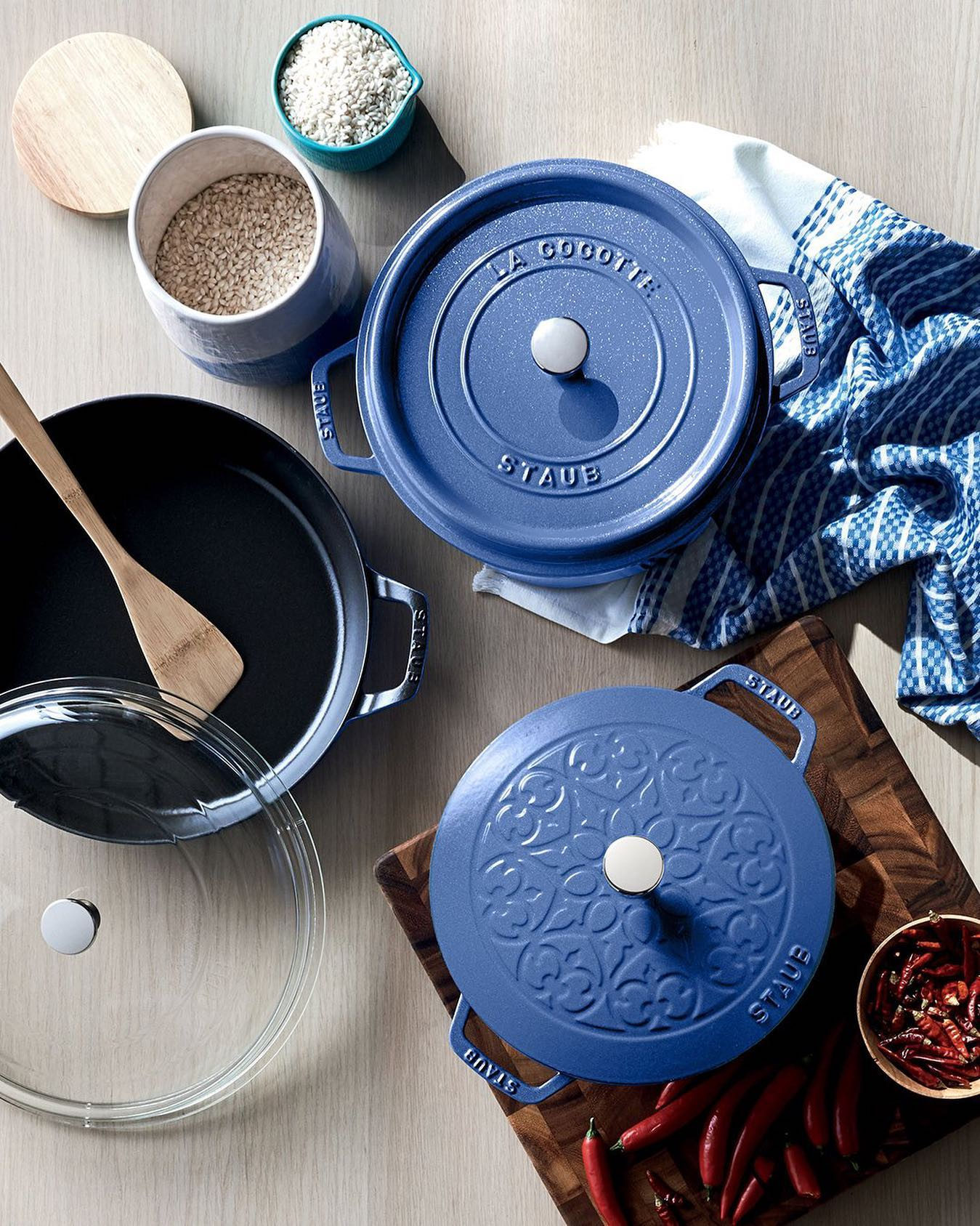
What Exactly Counts as a “Small Dutch Oven”?
When we talk about a “small Dutch oven,” we’re generally referring to capacities ranging from 1 to 4.5 quarts. While a standard Dutch oven often falls in the 5 to 7-quart range, these smaller iterations are specifically designed to cater to more intimate cooking needs.
- 1 to 2 Quarts: These are often called “mini cocottes” and are perfect for single servings, individual desserts, or small side dishes. Think perfectly portioned baked eggs, molten chocolate cakes, or a rich gratin just for you.
- 3 to 3.5 Quarts: This size is ideal for cooking for one or two people, or a small family of three. It comfortably handles a small batch of soup, a side of grains, or a personal-sized casserole. Many find this a sweet spot for everyday cooking.
- 4 to 4.5 Quarts: While bordering on a medium size for some, this can still be considered a “small” option for those who occasionally cook for 3-4 but primarily focus on smaller portions. It offers more versatility for slightly larger side dishes or a small roast.
Choosing the right size depends on your typical household and cooking habits. For many, a small Dutch oven isn’t just an accessory; it’s the main event for daily culinary endeavors, proving that you don’t need to cook in bulk to enjoy the Dutch oven experience.
Beyond the Basics: Unique Advantages of a Small Dutch Oven
While all Dutch ovens share fundamental benefits, their smaller counterparts bring several unique advantages to the table, making them a smart choice for various kitchen setups and lifestyles.
Space-Saving Storage
Let’s face it, kitchen real estate is precious. A small Dutch oven, especially those in the 1 to 3.5-quart range, is significantly easier to store than its bulky relatives. It fits neatly into smaller cabinets, on open shelves, or even on your stovetop without overcrowding the space. This makes it a fantastic option for apartment dwellers, tiny homes, or anyone looking to declutter their kitchen.
Lighter Weight, Easier Handling
The sheer weight of a large cast iron Dutch oven can be a deterrent for some. Small Dutch ovens, by their very nature, are much lighter and easier to lift, carry, and maneuver, both on the stovetop and in and out of the oven. This ease of handling reduces strain and makes the cooking process more enjoyable and accessible.
Perfect for Portion Control and Minimizing Waste
Cooking for one or two often means dealing with excessive leftovers or struggling to scale down recipes. A small Dutch oven solves this dilemma, allowing you to prepare just the right amount of food. This precision in portion control helps minimize food waste, which is not only environmentally friendly but also a money-saver.
Quicker Heating and Cool-Down for Smaller Tasks
Due to their smaller mass, these pots heat up faster and cool down more quickly than larger Dutch ovens. This efficiency is a definite plus when you’re short on time and need to whip up a quick sauce, a small batch of soup, or a last-minute side dish. It means less waiting and more savoring.
Stovetop, Oven, and Table-Ready Versatility
Just like their larger cousins, small Dutch ovens are incredibly versatile. They transition seamlessly from stovetop searing to oven baking, and their attractive design often means they can go directly from the kitchen to your dining table, keeping food warm and serving up style. This multi-functionality streamlines your cooking and serving process.
Unleashing Culinary Creativity: What to Cook in Your Small Dutch Oven
Don’t let the size fool you; a small Dutch oven is a powerhouse of culinary possibilities. It excels at a wide array of dishes, making it perfect for experimenting and mastering new recipes.
Delectable Dishes for One or Two
The small Dutch oven shines when crafting meals designed for fewer servings. Imagine a rich, slow-simmered beef stew, hearty chili with just the right kick, or a comforting chicken and dumplings, all perfectly portioned. They are also fantastic for creamy risottos, flavorful pasta dishes where the sauce permeates every strand, or even perfectly roasted individual chicken thighs with root vegetables. From a simple tomato sauce for weeknight pasta to a luxurious seafood bisque, the controlled environment of a small Dutch oven ensures deep, concentrated flavors.
Baking Bliss in Miniature
Bakers, rejoice! Your small Dutch oven is a secret weapon for artisan bread. While larger ovens are often recommended for bigger loaves, a 3-4 quart Dutch oven is ideal for crafting individual or smaller-sized no-knead bread with that signature crispy crust and tender interior. Beyond bread, these pots are exceptional for individual desserts like apple cobblers, fruit crisps, or rich molten lava cakes. The even heat distribution ensures uniform baking, guaranteeing delightful results every time.
Sauces & Sides
Need a quick homemade gravy for dinner? A small Dutch oven is perfect. It’s also fantastic for simmering small batches of savory sauces, caramelizing onions, or slow-roasting garlic cloves until they are sweet and spreadable. For sides, consider perfectly cooked rice or grains, braised greens, or flavorful baked beans that come out tender and infused with flavor.
Reheating with Style
Forget the microwave! Reheating leftovers in a small Dutch oven on the stovetop or in the oven can genuinely elevate them. Soups, stews, and casseroles regain their moisture and flavor, often tasting even better the next day, transforming a simple reheat into a gourmet experience.
Choosing Your Perfect Small Dutch Oven: Key Considerations
Selecting the right small Dutch oven involves a few key decisions to ensure it meets your culinary needs and aesthetic preferences.
Material Matters: Enameled Cast Iron vs. Bare Cast Iron vs. Ceramic
- Enameled Cast Iron: This is the most popular choice for small Dutch ovens. It offers all the benefits of cast iron (excellent heat retention, even heating) without the need for seasoning. The enamel coating prevents sticking, makes cleanup a breeze, and allows for vibrant color options that can add a pop to your kitchen. It’s also safe for acidic ingredients.
- Bare Cast Iron: For those who appreciate the rustic charm and unique cooking properties of traditional cast iron, a seasoned bare cast iron small Dutch oven is an excellent choice. It requires careful maintenance and seasoning, but develops a natural non-stick surface over time and can withstand extremely high temperatures, even over an open campfire (if designed for it).
- Ceramic: While less common for the classic Dutch oven form, some lighter ceramic pots exist. They are typically lighter than cast iron but may be more prone to cracking with extreme temperature changes or impacts.
Shape: Round or Oval?
For small Dutch ovens, round is generally preferred. It sits better on stovetop burners, ensuring more even heat distribution. While oval shapes can accommodate longer cuts of meat, for the typically smaller portions cooked in a small Dutch oven, a round shape is more efficient and versatile.
Handles and Lid
Look for wide, comfortable handles, especially if you plan to move the hot pot frequently. A tight-fitting, heavy lid is crucial for trapping moisture and heat, which is a hallmark of Dutch oven cooking. Some modern designs even feature self-standing lids, a convenient innovation that saves counter space.
Budget and Brands
Leading brands like Le Creuset, Staub, and Lodge offer small Dutch ovens that are renowned for their quality and durability, often considered heirloom pieces. However, many excellent, more budget-friendly options from brands like Lodge (for bare cast iron and more accessible enameled options), Crock-Pot Artisan, or Amazon Basics provide comparable performance for everyday cooking.
Nurturing Your Little Culinary Gem: Care and Maintenance
Proper care ensures your small Dutch oven remains a cherished kitchen companion for years to come.
Cleaning Tips
For enameled cast iron, hand washing with warm, soapy water and a soft sponge is highly recommended. Avoid harsh abrasives or steel wool, which can scratch or chip the enamel. For stubborn stuck-on bits, a gentle soak with warm water and a little soap will usually do the trick. Bare cast iron requires specific seasoning and cleaning methods to maintain its non-stick surface and prevent rust.
Drying and Storage
Always ensure your Dutch oven, especially bare cast iron, is completely dry before storing to prevent rust. Enameled pieces can be air-dried or towel-dried. Store it in a cabinet or on a shelf where it won’t be easily knocked or scratched. For bare cast iron, a light layer of cooking oil after drying helps maintain the seasoning.
Temperature Control
Avoid sudden and extreme temperature changes, particularly with enameled cast iron, as this can lead to thermal shock and cracking of the enamel. Always heat and cool your Dutch oven gradually.
Expert Insight: A Culinary Perspective on Small Dutch Ovens
“In my kitchen, the small Dutch oven is a revelation,” shares Chef Leo Chen, a culinary instructor and advocate for efficient home cooking. “It’s not just for individuals; it’s about precision and mindfulness in cooking. You get all the incredible benefits of heat retention and flavor development in a size that encourages creativity without excess. It’s perfect for those moments when you want to craft something truly special, but only need a serving or two.”
Frequently Asked Questions About Small Dutch Ovens
Is a 3-quart Dutch oven big enough for bread?
Yes, a 3-quart Dutch oven is typically big enough for baking a small, individual loaf of no-knead bread or other artisan-style breads. While larger sizes (5-7 quarts) are often recommended for standard loaves, the 3-quart size is excellent for single-serving or smaller, denser bread recipes.
Can I use a small Dutch oven on any stovetop?
Most small Dutch ovens, particularly those made from cast iron (enameled or bare), are compatible with all stovetop types, including gas, electric, ceramic, and induction. Always check the manufacturer’s instructions to confirm.
What’s the difference between a small Dutch oven and a mini cocotte?
Generally, a “mini cocotte” refers to the smallest Dutch oven sizes, often 1-2 quarts, designed for individual servings. A “small Dutch oven” is a broader term that can include these mini sizes but also encompasses slightly larger options up to about 4.5 quarts, suitable for small batch cooking.
How many people does a 2-quart Dutch oven serve?
A 2-quart Dutch oven typically serves one to two people comfortably. It’s perfect for individual meals, side dishes, or small portions of soups, stews, and desserts.
Are small Dutch ovens worth it if I already have a big one?
Absolutely! A small Dutch oven complements a larger one perfectly. It allows you to tackle smaller recipes without dirtying a big pot, offers better portion control, and is easier to clean and store. It expands your cooking versatility, ensuring you have the right tool for every culinary task, big or small.
Embrace the World of Small Dutch Ovens
The small Dutch oven is more than just cookware; it’s an invitation to a more intimate and intentional style of cooking. It brings the rich heritage and unparalleled performance of the classic Dutch oven into a format perfectly suited for modern kitchens and lifestyles. From simmering savory stews for a cozy dinner for two to baking a crusty, personal-sized loaf of bread, the versatility and efficiency of a small Dutch oven are simply unmatched.
So, why not explore the possibilities? Dive into the world of small Dutch ovens and discover how this compact culinary companion can elevate your everyday cooking, inspire new recipes, and become a cherished cornerstone of your kitchen. Happy cooking!