Stepping into the kitchen, there are few pieces of cookware that whisper tales of rich flavors and comforting meals quite like the Oval Cast Iron Dutch Oven. It’s not just a pot; it’s a testament to timeless cooking, a versatile workhorse, and a beautiful centerpiece all rolled into one. At AMV Review Dutch Oven, we believe in celebrating cookware that elevates your culinary journey, and the oval cast iron Dutch oven certainly stands in a league of its own.
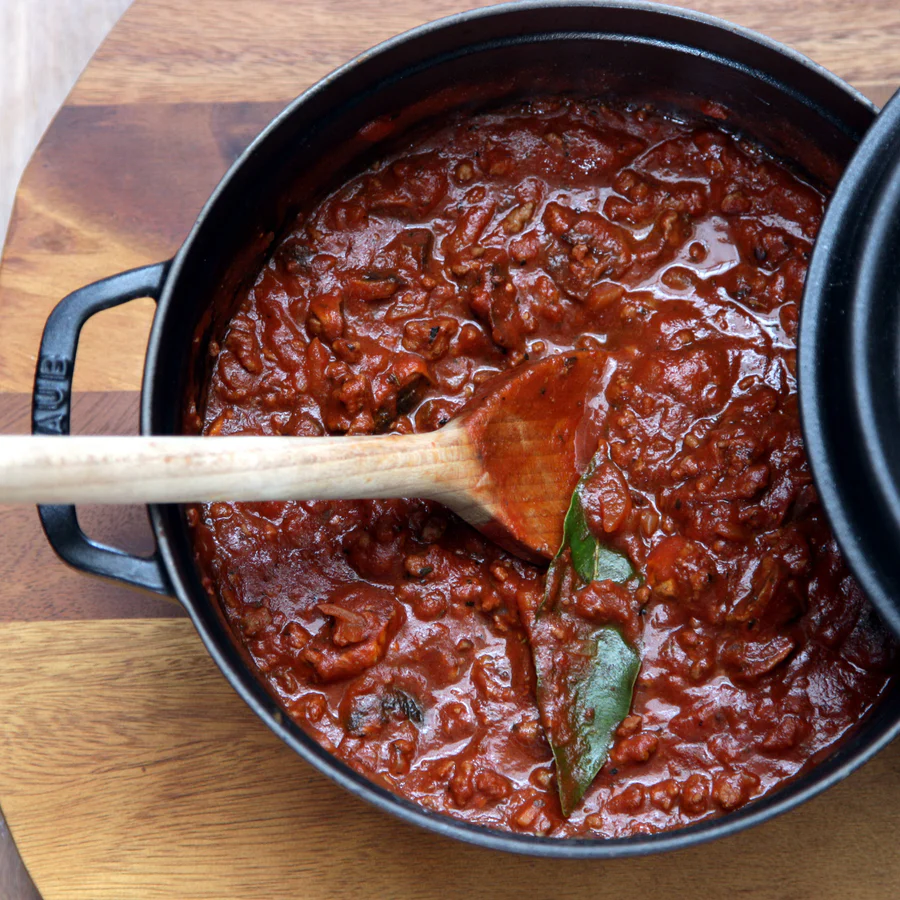
A Legacy of Flavor: Understanding the Dutch Oven’s Roots
The story of the Dutch oven is as rich and robust as the dishes it creates. Its origins trace back to the 17th century when a Dutch manufacturing process for casting metal using sand molds was adopted and refined by British ironmasters. This innovation led to the creation of sturdy, heavy pots known for their exceptional ability to retain and distribute heat evenly. These qualities made them indispensable for slow-cooking, braising, and baking, particularly in pioneer kitchens and over open fires. While the fundamental principles remain, today’s Dutch ovens, especially those crafted from enameled cast iron, marry this historical performance with modern convenience and aesthetic appeal, bringing generations of culinary wisdom right to your stovetop and oven.
The Unique Appeal of the Oval Cast Iron Dutch Oven
While its round counterpart is a kitchen staple, the oval cast iron Dutch oven carves out its own niche with a distinct advantage: its elongated shape. This seemingly simple difference unlocks a world of specific culinary possibilities. Imagine effortlessly fitting a whole roast chicken, a substantial leg of lamb, or a long cut of pork loin without having to squeeze or awkwardly position it. The oval shape naturally cradles these foods, allowing for optimal air circulation and even browning, resulting in beautifully cooked, tender, and flavorful meals.
This shape also provides an increased surface area that can be a game-changer for searing larger quantities of meat or vegetables before braising. It’s an aesthetic choice too, with many home cooks finding its graceful lines a pleasing departure from the traditional round, making it an elegant statement piece on any dining table. Whether you’re preparing a grand feast or a cozy family dinner, the oval design ensures your culinary ambitions are met with both practicality and style.
Oval vs. Round: Choosing Your Perfect Culinary Companion
Deciding between an oval and a round Dutch oven often comes down to your cooking habits and the types of dishes you love to prepare. Both are phenomenal for slow-cooking, braising, and baking, thanks to cast iron’s superior heat retention. However, the unique geometry of the oval cast iron Dutch oven makes it particularly shines when it comes to accommodating longer items like whole poultry, large fish fillets (salmon or trout), or substantial roasts that simply wouldn’t fit comfortably in a round pot of similar volume. This means your prized pot roast or baked ham can get the full, even cooking it deserves.
On the flip side, round Dutch ovens tend to sit more evenly on standard circular stovetop burners, which can lead to slightly more efficient and uniform heating when cooking solely on the range. While an oval can certainly be used on the stovetop, especially with bridge burners or larger elements, its primary domain truly is the oven, where its elongated form can embrace a wider array of ingredients. If you frequently cook large, irregularly shaped proteins or love baking artisanal oval-shaped loaves of bread, the oval is an undisputed winner. For everyday soups, stews, and general stovetop simmering, a round might feel marginally more intuitive. Ultimately, both are indispensable, but the oval offers specialized functionality that many passionate cooks find invaluable.
Types of Oval Dutch Ovens and Essential Accessories
The majority of oval cast iron Dutch ovens you’ll encounter today are enameled. This vitreous coating makes them incredibly versatile, as the enamel prevents rust, eliminates the need for seasoning, and allows for cooking acidic foods without reactivity. When choosing an oval Dutch oven, consider its capacity – measured in quarts – to match your cooking needs, whether you’re feeding a small family or a crowd. Look for models with wide, comfortable handles for secure lifting, especially when full, and a tight-fitting lid to lock in moisture and flavor.
Beyond the pot itself, a few accessories can enhance your Dutch oven experience:
- Silicone or Wooden Utensils: These protect the enamel interior from scratches.
- Heat-Resistant Trivets: Essential for bringing your hot Dutch oven straight to the table.
- Pot Scrapers: Handy for gently removing any stuck-on food without damaging the surface.
- Oven Mitts: The handles get very hot, so sturdy oven mitts are a must.
Mastering Your Oval Dutch Oven: Usage and Care
An oval cast iron Dutch oven is designed to be a lifetime companion in your kitchen, but like any cherished tool, it thrives with proper care.
Getting Started: First Use and Cooking Tips
Before its maiden voyage, give your new enameled Dutch oven a good wash with warm, soapy water and dry it thoroughly. When cooking, remember that enameled cast iron excels at retaining heat, so you rarely need to go above medium heat on the stovetop. Start with a moderate temperature and allow the pot to preheat evenly. Always use some form of cooking fat – oil or butter – even with the non-stick properties of enamel, as this helps distribute heat, prevents scorching, and builds flavor. When transitioning from stovetop to oven, be mindful of sudden drastic temperature changes. Gradual heating and cooling will help preserve the enamel’s integrity for years to come.
Cleaning and Maintaining Your Enameled Gem
Cleaning your enameled oval cast iron Dutch oven is straightforward. After use, let the pot cool down slightly before cleaning. Hand-washing with warm, soapy water and a soft sponge or cloth is generally sufficient. Avoid abrasive scourers, steel wool, or harsh chemical cleaners, as these can scratch or dull the enamel. For stubborn food residue, don’t resort to aggressive scrubbing; instead, fill the pot with warm, soapy water and let it soak for 15-20 minutes to loosen the bits. A gentle scrub with baking soda and a soft brush can also work wonders on more persistent stains. Always rinse thoroughly and dry your Dutch oven completely to prevent any rust from forming on exposed cast iron edges (like the rim). When storing, try to avoid stacking other metal cookware directly inside to prevent chipping the enamel. A simple kitchen towel placed between the pot and lid can offer protection.
Unleashing Culinary Creativity: Recipes for Your Oval Dutch Oven
The oval cast iron Dutch oven is a playground for diverse and delicious recipes, truly highlighting its adaptability.
Perfect for Roasting and Braising
Its elongated shape is a dream for full-bodied roasts and succulent braises. Imagine a tender Pot-Roast Chicken, golden brown on all sides, or a richly flavored Braised Rabbit with Mustard, falling off the bone. It’s also ideal for a whole fish, like salmon or sea bass, cooked to flaky perfection, absorbing all the aromatic flavors. The even heat distribution ensures a consistent cook, from the center to the edges, creating dishes that are both visually appealing and incredibly satisfying.
Soups, Stews, and Hearty Casseroles
While exceptional for larger cuts, the oval Dutch oven doesn’t shy away from classic comfort foods. Its generous capacity is perfect for simmering substantial batches of hearty Beef Stew, rich Coq au Vin, or comforting layered casseroles. The tight-fitting lid creates a self-basting environment, locking in moisture and intensifying flavors, making every spoonful a delight.
Baking Wonders: From Artisan Bread to Desserts
Beyond savory dishes, the oval cast iron Dutch oven is a fantastic vessel for baking. It’s especially popular for artisan no-knead bread, yielding beautiful, crusty oval loaves with a wonderfully chewy interior. The cast iron’s ability to retain high heat creates the perfect steamy environment for a bakery-quality crust. You can also venture into sweet territory, creating fruit crumbles, cobblers, or even a delightful maple and spice glazed ham.
The AMV Review Dutch Oven Philosophy: Embracing Core Values
At AMV Review Dutch Oven, we advocate for tools that don’t just cook, but inspire. The oval cast iron Dutch oven perfectly embodies our core values of durability, flavor enhancement, and fostering culinary passion. We believe in investing in cookware that lasts generations, creating a legacy of delicious meals and shared memories. Our mission is to demystify advanced cooking techniques and empower home cooks to explore new horizons, confident in the knowledge that their cookware is a reliable partner in every culinary adventure. It’s about celebrating the joy of cooking, the warmth of a shared meal, and the simple elegance of a well-crafted pot.
Frequently Asked Questions About Oval Cast Iron Dutch Ovens
Q: Can I use an oval cast iron Dutch oven on my stovetop?
A: Absolutely! While they excel in the oven, oval Dutch ovens can be used on the stovetop. If you have a larger burner or a bridge burner that connects two elements, it will provide more even heat. Otherwise, you might need to rotate the pot for uniform heating.
Q: Is an oval Dutch oven good for baking bread?
A: Yes, it’s excellent for baking bread, especially for achieving an oval-shaped loaf with a wonderfully crispy crust. The high, even heat retention of cast iron creates the ideal environment for a perfect bake.
Q: What size oval Dutch oven should I get?
A: The ideal size depends on your household and cooking needs. A 6 to 7-quart oval Dutch oven is often a versatile choice for families, accommodating a whole chicken or a substantial roast. Larger sizes (8+ quarts) are great for entertaining or batch cooking.
Q: How do I prevent food from sticking to my enameled oval Dutch oven?
A: Always preheat your Dutch oven properly and use sufficient cooking fat (oil or butter). Avoid cooking on excessively high heat, as this can lead to scorching. For stubborn bits, deglaze with liquid while warm.
Q: Can I put my enameled oval Dutch oven in the dishwasher?
A: While some manufacturers might state “dishwasher safe,” hand-washing is strongly recommended to protect the enamel finish and prolong the life and beauty of your Dutch oven. High dishwasher temperatures and harsh detergents can degrade the enamel over time.
Your Oval Dutch Oven, A Lifetime of Delicious Memories
The oval cast iron Dutch oven is more than just another pot in your kitchen; it’s an invitation to explore, create, and share. Its unique shape and unmatched performance make it ideal for everything from grand roasts and intricate braises to comforting stews and artisanal bread. As you embark on your culinary adventures with this remarkable piece of cookware, you’ll not only savor the incredible flavors it helps you unlock but also build a lifetime of cherished memories around your table. Embrace the elegance, celebrate the durability, and let your oval cast iron Dutch oven inspire countless delicious moments.