In the world of home cooking, few vessels command as much respect and affection as the humble Dutch oven. It’s a culinary workhorse, effortlessly transitioning from savory braises to crusty artisan bread. Yet, as we become more mindful about what goes into our bodies, a crucial question arises: is our beloved cookware truly safe? The quest for a Non Toxic Dutch Oven isn’t just a trend; it’s a commitment to healthier living, ensuring that the food we lovingly prepare is as pure as our intentions. Join us as we explore the landscape of non-toxic Dutch ovens, guiding you toward choices that nourish both body and soul.
The Heart of Healthy Cooking: What Makes a Dutch Oven Non-Toxic?
The term “non-toxic” when applied to cookware refers to materials that do not leach harmful chemicals or heavy metals into your food during the cooking process. This is paramount for maintaining the integrity of your ingredients and safeguarding your health.
What Does “Non-Toxic” Truly Mean for Cookware?
At its core, a non-toxic Dutch oven is crafted to be inert, meaning it won’t react with your food, especially acidic ingredients, or degrade under high heat to release undesirable substances. The primary culprits we aim to avoid are the “forever chemicals” like PTFE (Polytetrafluoroethylene), PFOA (Perfluorooctanoic Acid), and PFAS (Per- and Polyfluoroalkyl Substances), commonly found in traditional non-stick coatings. Beyond these, concerns also extend to heavy metals such as lead and cadmium, which can be present in some glazes or less reputable manufacturing processes. Choosing a non toxic Dutch oven means actively opting out of these potential contaminants, providing peace of mind with every meal.
Understanding Materials: The Foundation of Safety
The material of your Dutch oven dictates its safety profile. Here’s a breakdown of the most common options revered for their non-toxic properties:
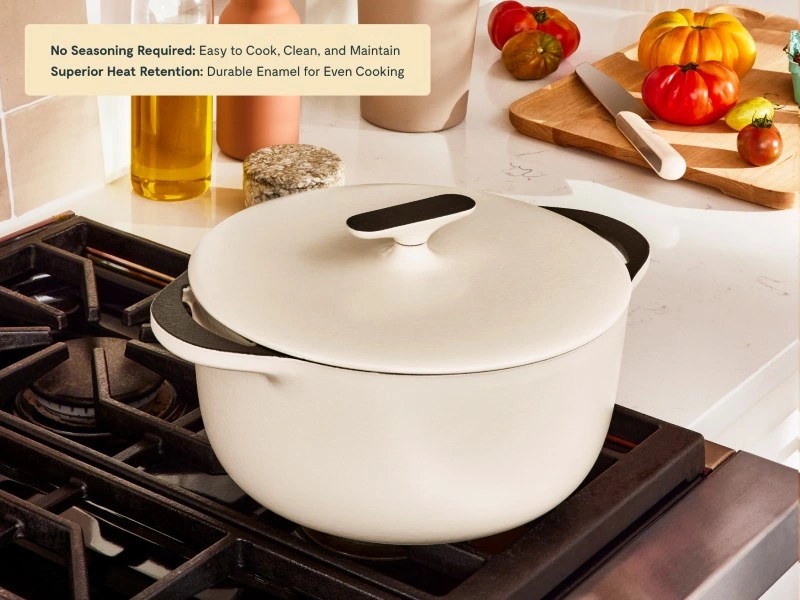
- Enameled Cast Iron: This is perhaps the most celebrated material for a non toxic Dutch oven. It combines the superior heat retention and distribution of cast iron with a protective enamel coating. This vitreous (glass-like) layer prevents the iron from reacting with acidic foods and eliminates the need for seasoning, making it a low-maintenance choice. When selecting enameled cast iron, prioritize reputable brands like Le Creuset and Staub, which are known for their high-quality, lead-free, and cadmium-free enamel. They often adhere to strict safety standards, sometimes even being California Prop 65 compliant, ensuring that no harmful substances find their way into your culinary creations.
- Bare Cast Iron: The original non toxic Dutch oven material. Pure cast iron, when properly seasoned, creates a naturally non-stick surface without any synthetic chemicals. The seasoning process involves baking layers of oil onto the iron, forming a polymerized layer that also protects against rust. A well-seasoned bare cast iron Dutch oven can even contribute small amounts of dietary iron to your food, which can be a beneficial nutrient. However, it requires ongoing care and can react with highly acidic foods if the seasoning isn’t perfectly maintained, leading to a metallic taste.
- Ceramic and Ceramic-Coated: These options offer a lighter alternative to cast iron, often featuring an aluminum core for efficient heat conduction, topped with a non-stick ceramic coating. High-quality ceramic coatings are typically free from PTFE, PFOA, and PFAS, making them an excellent choice for a non toxic Dutch oven. Brands such as Caraway are prominent in this category, focusing on ceramic-coated interiors that prevent food from sticking and are easy to clean. Always check that the ceramic coating is rigorously tested for the absence of heavy metals like lead and cadmium to ensure true non-toxicity.
- Pure Clay: Embracing ancient wisdom, pure clay Dutch ovens offer a truly natural, non-toxic cooking experience. These pots are typically unglazed and unadulterated, made from primary clay that is naturally inert and does not leach chemicals. Pure clay boasts unique properties, including cooking with earthen far infrared heat, which is gentle and helps preserve nutrients. Brands like Miriam’s Earthen Cookware highlight the natural non-stick properties that develop with seasoning (simple water-based cooking), as well as the ability to keep food warm for extended periods.
- Stainless Steel: While not traditionally categorized as a Dutch oven material due to its different heat retention properties, high-quality stainless steel (specifically 18/8 or 18/10 food-grade) is generally considered non-reactive and safe. It’s a good option for general cooking but may not offer the same deep, even heat and moisture retention that a classic cast iron or clay Dutch oven provides for slow-cooking and braising.
Choosing Your Non-Toxic Dutch Oven: What to Look For
Navigating the market for a non toxic Dutch oven can feel overwhelming, but keeping a few key considerations in mind will simplify your decision.
Material Certification and Testing
Always look for brands that are transparent about their materials and manufacturing processes. Seek out indications of third-party testing, which verifies that the cookware is free from harmful chemicals. Certifications like California Prop 65 compliance for lead and cadmium are strong indicators of a product’s safety.
Brand Reputation
An established brand with a long history often signifies a commitment to quality and safety. Brands like Le Creuset, Staub, and Lodge have built reputations on reliable, durable cookware. Newer brands focusing specifically on non-toxic solutions, such as Caraway or Xtrema, also offer excellent choices if they provide clear evidence of their safety claims.
Weight and Size
Consider your comfort and cooking needs. While cast iron is fantastic for heat retention, it can be heavy. If weight is a concern, ceramic-coated options provide a lighter alternative. Match the size of the Dutch oven to your typical meal preparations – a 5-7 quart capacity is versatile for most families.
Lid Fit
A tight-fitting lid is crucial for a Dutch oven, trapping moisture and flavor for succulent results. Check reviews or product descriptions to ensure the lid forms a good seal, often with self-basting features like dimples or rings on the underside.
Oven-Safe Temperature
Most Dutch ovens are oven-safe, but their maximum temperature limits vary. If you plan to bake bread or roast at high temperatures, confirm that your chosen non toxic Dutch oven can withstand the heat, typically up to 500°F (260°C) or higher for some models.
Mastering Your Non-Toxic Dutch Oven: Usage and Care
Proper usage and care are vital to maintain the non-toxic properties and extend the lifespan of your Dutch oven, making it a true heirloom piece.
Preheating and Heat Settings
Whether it’s enameled cast iron, ceramic-coated, or pure clay, always start with low to medium heat and allow your Dutch oven to preheat gradually. This ensures even heat distribution, prevents thermal shock (which can damage enamel or ceramic coatings), and protects the integrity of the non-stick surface. Avoid using excessively high heat, especially with ceramic coatings, as it can degrade the material over time.
Utensils
To prevent scratching or chipping the precious non-toxic surface of your Dutch oven, opt for gentle utensils. Wood, silicone, or heat-resistant nylon are your best friends in this kitchen. Metal utensils, while tempting, can easily damage enamel and ceramic coatings, compromising their non-stick properties and potentially exposing the underlying material.
Cleaning for Longevity
- Enameled and Ceramic-Coated Dutch Ovens: Allow the pot to cool completely before cleaning. Hand wash with warm, soapy water and a non-abrasive sponge or cloth. While some brands claim to be dishwasher safe, hand washing is almost always recommended to preserve the coating and finish. For stubborn stuck-on food, a gentle soak with warm water and baking soda can work wonders.
- Bare Cast Iron Dutch Ovens: The golden rule for bare cast iron is to avoid soap, which can strip away the hard-earned seasoning. Instead, scrub with hot water and a stiff brush or chainmail scrubber. Dry thoroughly immediately after washing to prevent rust, and then apply a thin layer of cooking oil to re-season.
- Pure Clay Dutch Ovens: These require a unique approach. Avoid harsh detergents entirely. A simple wash with warm water and a non-abrasive scrubber is usually sufficient. For tougher spots, a paste of baking soda and water can be used. After washing, ensure the clay pot is thoroughly dry before storing to prevent mold or odors.
Storage
Store your Dutch oven with the lid slightly ajar, especially for pure clay or bare cast iron, to allow for air circulation and prevent moisture buildup, which can lead to odors or rust. For enameled cast iron, placing a paper towel between the lid and the pot can help absorb any residual moisture.
Elevating Your Culinary Journey: Benefits of a Non-Toxic Dutch Oven
Beyond the obvious health advantages, cooking with a non toxic Dutch oven offers a myriad of benefits that elevate your entire culinary experience.
Health and Wellness
The primary benefit is the peace of mind that comes from knowing your food is free from potentially harmful chemicals. By choosing materials carefully vetted for non-toxicity, you’re making a conscious decision to protect your family’s health with every meal.
Nutrient Preservation
The thick walls and heavy, tight-fitting lids of Dutch ovens are ideal for slow-cooking methods. This gentle, even heat helps to lock in moisture and preserve delicate nutrients, vitamins, and minerals that might otherwise be lost with high-heat cooking. Dishes emerge richer in flavor and more nourishing.
Flavor Enhancement
Whether it’s the even, radiating heat of cast iron that develops deep, caramelized flavors or the unique far-infrared cooking of pure clay that highlights subtle notes, a high-quality non toxic Dutch oven truly enhances the taste of your food. The consistent temperature environment allows ingredients to meld beautifully, creating dishes with unparalleled depth.
Versatility
From searing meats on the stovetop to baking crusty loaves of bread in the oven, and simmering hearty stews for hours, the Dutch oven is incredibly versatile. It’s a true multi-tasker that can handle a vast array of cooking techniques, simplifying your kitchen and expanding your culinary repertoire.
Durability and Legacy
A well-chosen and properly cared for non toxic Dutch oven is an investment that truly lasts. These robust pieces of cookware are designed to endure, often becoming cherished family heirlooms passed down through generations. Imagine sharing recipes and memories tied to a single pot that has graced countless family tables.
Delicious Adventures: Recipes for Your Non-Toxic Dutch Oven
Your non toxic Dutch oven is ready for action. Here are a few timeless recipes that truly showcase its capabilities:
- Hearty Beef Stew: Brown beef cubes directly in your Dutch oven, then add aromatic vegetables, potatoes, and rich broth. Let it simmer gently for hours, transforming tough cuts into fork-tender perfection.
- No-Knead Sourdough Bread: The Dutch oven creates the perfect steamy environment for baking sourdough, resulting in an irresistibly crispy crust and a beautifully airy, chewy interior.
- One-Pot Chicken and Vegetables: A simple yet incredibly flavorful meal. Brown chicken pieces, then add your favorite root vegetables, herbs, and a splash of wine or broth. Cook until the chicken is tender and the vegetables are sweet.
Expert Insight: A Word from Chef Alistair Vance
“Choosing a non toxic Dutch oven isn’t just about avoiding harmful substances; it’s about embracing a cooking philosophy that prioritizes purity and flavor,” shares Chef Alistair Vance, a seasoned culinary expert. “It’s an investment in your health and your culinary legacy. The peace of mind that comes with knowing your cookware is safe allows you to focus purely on the joy of creation, making every meal a masterpiece.”
Frequently Asked Questions (FAQ)
Q: Are all enameled Dutch ovens non-toxic?
A: While many modern enameled Dutch ovens are designed to be lead- and cadmium-free, it’s crucial to choose reputable brands and check for certifications to ensure safety. Lower-quality enamel may contain these heavy metals.
Q: How do I know if my Dutch oven is truly non-toxic?
A: Look for brands that explicitly state their products are free from PTFE, PFOA, PFAS, lead, and cadmium. Ideally, they will also provide third-party testing results or certifications, such as being Prop 65 compliant.
Q: Can I use metal utensils in a non-toxic Dutch oven?
A: It’s best to avoid metal utensils in enameled or ceramic-coated Dutch ovens to prevent scratching the non-toxic surface. Stick to wood, silicone, or nylon to protect the integrity of the coating.
Q: Does a non-toxic Dutch oven require special cleaning?
A: Yes, care varies by material. Enameled and ceramic-coated ovens generally prefer hand washing with warm soapy water. Bare cast iron needs seasoning and should largely avoid soap, while pure clay can often be cleaned effectively with baking soda and water.
Q: Is it worth investing in a high-priced non-toxic Dutch oven?
A: Many culinary experts and health-conscious home cooks agree that investing in a high-quality, non toxic Dutch oven from a reputable brand is worthwhile. The superior durability, exceptional cooking performance, and, most importantly, the peace of mind regarding health safety often justify the cost over many years of use.
Conclusion
The journey to discovering the ideal non toxic Dutch oven is a rewarding one, leading not just to safer cooking but to a deeper appreciation for the art of food preparation. By understanding the materials, making informed choices, and committing to proper care, you unlock a world of culinary possibilities, all while nurturing your well-being. So, go ahead, gather your ingredients, fire up your range, and let your non-toxic Dutch oven inspire countless delicious, healthy meals that bring joy to your kitchen and nourishment to your table.