In the heart of every culinary enthusiast’s kitchen, there’s often a piece of cookware that stands out—a workhorse, a legacy, a silent partner in countless delicious endeavors. For many, that coveted item is the humble yet magnificent Dutch oven, and when we talk about true kitchen power, we’re often envisioning the robust, Large Cast Iron Dutch Oven. At AMV Review Dutch Oven, we believe this iconic pot isn’t just cookware; it’s an invitation to create, share, and savor. It embodies the core values of slow living, thoughtful cooking, and the joy of bringing people together around a bountiful table.
The allure of a large cast iron Dutch oven lies not only in its imposing presence but in its unparalleled ability to transform simple ingredients into extraordinary meals. It’s a cornerstone for those who appreciate the depth of flavor only long, slow cooking can achieve, offering a blend of tradition and versatility that modern kitchens crave.
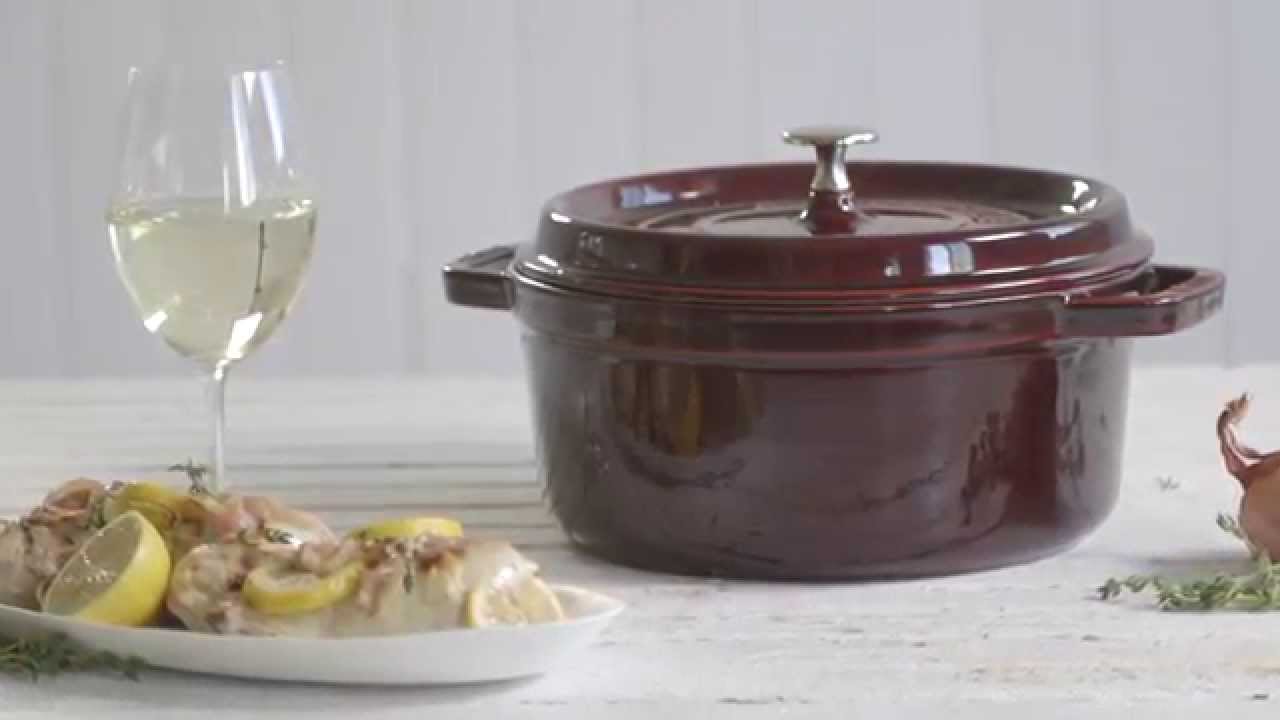
The Enduring Legacy: A Brief History of the Dutch Oven
The story of the Dutch oven is as rich and enduring as the pot itself. Its origins trace back to the early 18th century when an Englishman, Abraham Darby, observed Dutch metal casters using sand molds to produce brass pots. Inspired, Darby returned to England and patented a similar process for casting iron cookware, creating a more affordable and durable alternative. Thus, the “Dutch oven” was born, swiftly becoming an indispensable tool in kitchens and over campfires across continents. From pioneer wagons to colonial hearths, these heavy cast iron vessels were relied upon for everything from baking bread to simmering hearty stews, solidifying their place in culinary history. Today, while materials and finishes have evolved, the fundamental design and trusted performance of the cast iron Dutch oven remain largely unchanged, a testament to its timeless utility.
What Defines a Large Cast Iron Dutch Oven?
When we talk about a “large cast iron Dutch oven,” we’re stepping beyond the everyday family meal and into the realm of serious cooking. These aren’t just bigger pots; they are vessels designed for ambition, capable of handling culinary feats that smaller cookware simply can’t.
Size Matters: Capacity for Every Occasion
What exactly constitutes “large” in the world of Dutch ovens? Generally, we consider a Dutch oven large if it has a capacity of 7 quarts or more. While a 5-6 quart model is often the standard for a family of four, a large cast iron Dutch oven, typically ranging from 7 quarts to 9 quarts or even larger, opens up a new world of possibilities. A 7-quart Dutch oven can comfortably feed 6-8 people, while a 9-quart or larger model is perfect for entertaining a crowd, holiday feasts, or serious batch cooking. “Think of it as your culinary safety net,” says Chef Anja Van der Beek, a renowned expert in European comfort food. “When you’re feeding a large family, hosting a dinner party, or simply want to prep meals for the week, that extra capacity is a game-changer.”
The Unrivaled Power of Cast Iron
At the core of every great Dutch oven is its material: cast iron. This heavy-duty metal possesses qualities that are simply unmatched by other cookware.
- Exceptional Heat Retention: Cast iron holds heat like no other, maintaining a steady, even temperature even after ingredients are added. This is crucial for consistent cooking, especially for dishes requiring long simmering times or a perfect crust on bread.
- Superior Heat Distribution: The thick walls and bottom of a cast iron Dutch oven ensure heat spreads evenly across the entire cooking surface. Say goodbye to hot spots and unevenly cooked food! This evenness is key for deep browning and caramelization.
- Unrivaled Durability: A well-cared-for cast iron Dutch oven can last a lifetime, or even several. It’s an investment that can be passed down through generations, bearing witness to countless family meals and cherished memories.
Enameled vs. Seasoned: Choosing Your Cast Iron Companion
When selecting your large cast iron Dutch oven, you’ll primarily encounter two types: enameled and seasoned (bare) cast iron. Each has its unique characteristics and advantages.
Enameled Cast Iron
Enameled cast iron Dutch ovens feature a vitreous enamel glaze applied to the cast iron surface.
- Pros: They are non-reactive, meaning you can cook acidic foods like tomato sauces or wine-braised dishes without fear of metallic flavors or damaging the seasoning. They are also incredibly easy to clean, often just requiring warm soapy water, and come in a stunning array of colors that can add a vibrant touch to your kitchen and table.
- Cons: The enamel can chip if dropped or subjected to harsh metal utensils, making them slightly more delicate than their bare counterparts. They can also be heavier due to the additional enamel layer.
Seasoned (Bare) Cast Iron
Traditional seasoned cast iron Dutch ovens have no enamel coating, relying instead on a layer of polymerized oil—the “seasoning”—for a natural non-stick surface.
- Pros: They are incredibly durable and can withstand very high temperatures, making them ideal for outdoor cooking over open flames or for achieving an exceptionally crispy crust on bread. With proper care, the seasoning improves over time, creating a naturally non-stick surface.
- Cons: Bare cast iron is reactive to acidic ingredients, which can strip the seasoning and impart a metallic taste to food. They require careful cleaning and regular re-seasoning to maintain their protective layer and prevent rust.
Beyond the Basics: Essential Accessories for Your Large Dutch Oven
To get the most out of your large cast iron Dutch oven, a few accessories can make your cooking experience even smoother. A good silicone trivet protects your countertops and table from the intense heat, allowing you to bring your culinary creation directly to the table. Silicone handle covers are a must-have for safe handling, as those cast iron handles get seriously hot. For seasoned Dutch ovens, a chainmail scrubber can be a godsend for tackling stubborn bits without damaging the seasoning, while a lid stand can be surprisingly useful for keeping your lid off the counter during cooking or serving.
Mastering Your Large Cast Iron Dutch Oven: Usage and Care
Cooking with a large cast iron Dutch oven is an art form, but one that is easily mastered with a few key techniques.
Preparation for Success
- Seasoning (for bare cast iron): If you opt for a seasoned Dutch oven, maintaining its seasoning is paramount. This involves regularly applying a thin layer of cooking oil and baking it, creating a protective, non-stick surface.
- Preheating: Whether enameled or seasoned, always preheat your Dutch oven gradually over medium-low heat before adding ingredients. This ensures even heating and prevents thermal shock that could damage enameled surfaces.
Cooking Techniques Transformed by Size
A large Dutch oven excels at a variety of cooking methods:
- Searing: Its expansive surface area allows you to brown larger quantities of meat or vegetables without overcrowding the pot, leading to better caramelization and flavor development.
- Braising and Simmering: The heavy lid creates a self-basting environment, trapping moisture and flavors, making it perfect for fall-apart tender braised meats and rich, deeply flavored stews.
- Baking: From majestic no-knead bread to whole roasted chickens or even upside-down cakes, the consistent, all-around heat of a large cast iron Dutch oven produces incredible results.
Cleaning & Maintenance: A Lifelong Commitment
Proper care ensures your large cast iron Dutch oven remains a cherished heirloom.
- Hand Wash Only: Always hand wash your Dutch oven with warm water and mild dish soap (for enameled, use sparingly for bare, or just hot water). Never put it in the dishwasher.
- Drying is Key: For seasoned cast iron, immediately dry thoroughly after washing to prevent rust. You can even place it on low heat on the stovetop for a few minutes to ensure all moisture evaporates.
- Re-seasoning (for bare cast iron): Periodically re-season your bare cast iron Dutch oven, especially if food starts to stick or rust spots appear.
- Protecting Enamel: Avoid metal utensils that can scratch or chip the enamel. Opt for wood, silicone, or plastic.
Unlocking Culinary Greatness: Tips and Techniques
With a large cast iron Dutch oven, your culinary ambitions can truly soar.
- Batch Cooking Bliss: Use its generous capacity to prepare large batches of soups, chilis, or stews, freezing portions for quick, homemade meals on busy weeknights. “My large Dutch oven is my secret weapon for meal prep,” shares Chef Van der Beek. “I can make enough chili to last us for days, saving time and ensuring we always have a wholesome meal ready.”
- The Perfect Loaf of Bread: It’s famous for baking spectacular no-knead bread. The enclosed, steamy environment mimics a professional bakery oven, creating an irresistibly crisp crust and a soft, airy interior.
- Roasting Royalty: Roasting a whole chicken or a substantial pork loin in a large Dutch oven keeps the meat incredibly juicy while delivering beautifully browned skin. The high sides also contain splatters, keeping your oven cleaner.
- Layering Flavors: When building complex dishes like beef bourguignon or gumbo, the ample space allows you to sear ingredients in stages, building layers of flavor without overcrowding.
The Indisputable Benefits of Cooking with a Large Cast Iron Dutch Oven
Beyond its culinary prowess, a large cast iron Dutch oven offers a multitude of benefits that enhance the home cooking experience:
- Unmatched Versatility: It truly is a one-pot wonder, capable of stewing, braising, roasting, frying, baking, simmering, and even deep-frying.
- Deep Flavor Development: The heavy, even heat and tight-fitting lid create an ideal environment for flavors to meld and intensify over time.
- Lasting Durability: This is cookware built to last, often outliving its owners. It’s an investment in quality that pays dividends for generations.
- Table-to-Table Presentation: Many enameled large Dutch ovens are stunning enough to go directly from the kitchen to your dining table, keeping food warm throughout the meal.
- Cost-Effectiveness: Its ability to handle large quantities makes batch cooking and meal prepping incredibly efficient, saving you money on takeout and reducing food waste.
Feasts for the Ages: Popular Recipes for Your Large Dutch Oven
The expansive capacity of a large cast iron Dutch oven makes it perfect for a range of crowd-pleasing dishes:
- Hearty Beef Stew or Lamb Tagine: Slow-cooked meats and vegetables in a rich, aromatic broth.
- Chili for a Crowd: Whether it’s a classic beef chili or a vibrant vegetarian version, a large Dutch oven is ideal for simmering big batches.
- Whole Roasted Chicken or Pork Loin: Juicy, tender, and beautifully browned.
- No-Knead Sourdough Bread: Achieve that perfect crust and airy crumb every time.
- Big-Batch Soups: Think French onion soup, minestrone, or a creamy chicken noodle, enough to feed everyone and have leftovers.
- Pulled Pork or Brisket: Cook low and slow until melt-in-your-mouth tender.
Frequently Asked Questions (FAQ)
What size is truly “large” for a cast iron Dutch oven?
A “large” cast iron Dutch oven typically refers to models with a capacity of 7 quarts or more. These sizes are ideal for serving 6-8 people, hosting larger gatherings, or preparing generous batches for meal prepping.
Can I bake bread in a large cast iron Dutch oven?
Absolutely! Large cast iron Dutch ovens are renowned for baking exceptional no-knead bread. Their heavy, preheated nature and tight-fitting lid create the perfect steamy environment for a crispy crust and a beautifully structured interior.
How do I clean a large cast iron Dutch oven?
For both enameled and seasoned cast iron, hand washing with warm water is recommended. Use mild dish soap for enameled surfaces. For seasoned cast iron, you can use hot water and a stiff brush or chainmail scrubber, drying it immediately and thoroughly after cleaning to prevent rust, then applying a thin coat of oil if it’s bare cast iron.
Are large Dutch ovens heavy?
Yes, due to their cast iron construction and significant capacity, large Dutch ovens can be quite heavy, especially when full. A 7-quart Dutch oven can weigh around 15-20 pounds, and larger sizes will be even heavier. Always use two hands and exercise caution when lifting.
Is an enameled large Dutch oven better than a seasoned one?
Neither is inherently “better”; it depends on your cooking needs and preferences. Enameled Dutch ovens are easier to maintain, non-reactive to acidic foods, and come in various colors. Seasoned (bare) cast iron offers superior durability for high-heat applications, a natural non-stick surface with proper care, and is often more budget-friendly.
What’s the best large Dutch oven for camping?
For camping, a seasoned (bare) cast iron Dutch oven is often preferred. Its robust nature handles direct flames and uneven heat from campfires better than delicate enamel, and the rustic aesthetic fits perfectly with outdoor cooking.
The AMV Review Dutch Oven Promise
A large cast iron Dutch oven is more than just a piece of cookware; it’s an heirloom, a tradition, and a gateway to incredible culinary experiences. It encourages us to slow down, to savor the process of cooking, and to gather around the table with loved ones, sharing food that’s been prepared with care and passion. Whether you’re a seasoned chef or an enthusiastic home cook, embracing the power of a large cast iron Dutch oven will undoubtedly elevate your cooking and enrich your life. So, go ahead, choose your magnificent vessel, and let the culinary adventures begin!