Step into any serious cook’s kitchen, and you’re likely to find a beautiful, workhorse piece of cookware – the Enamel Dutch Oven. Far more than just a pot, this versatile essential marries the rugged durability of cast iron with a sleek, non-reactive enamel coating, opening up a world of culinary possibilities. It’s a game-changer for anyone looking to elevate their cooking, offering both exceptional performance and stunning aesthetics.
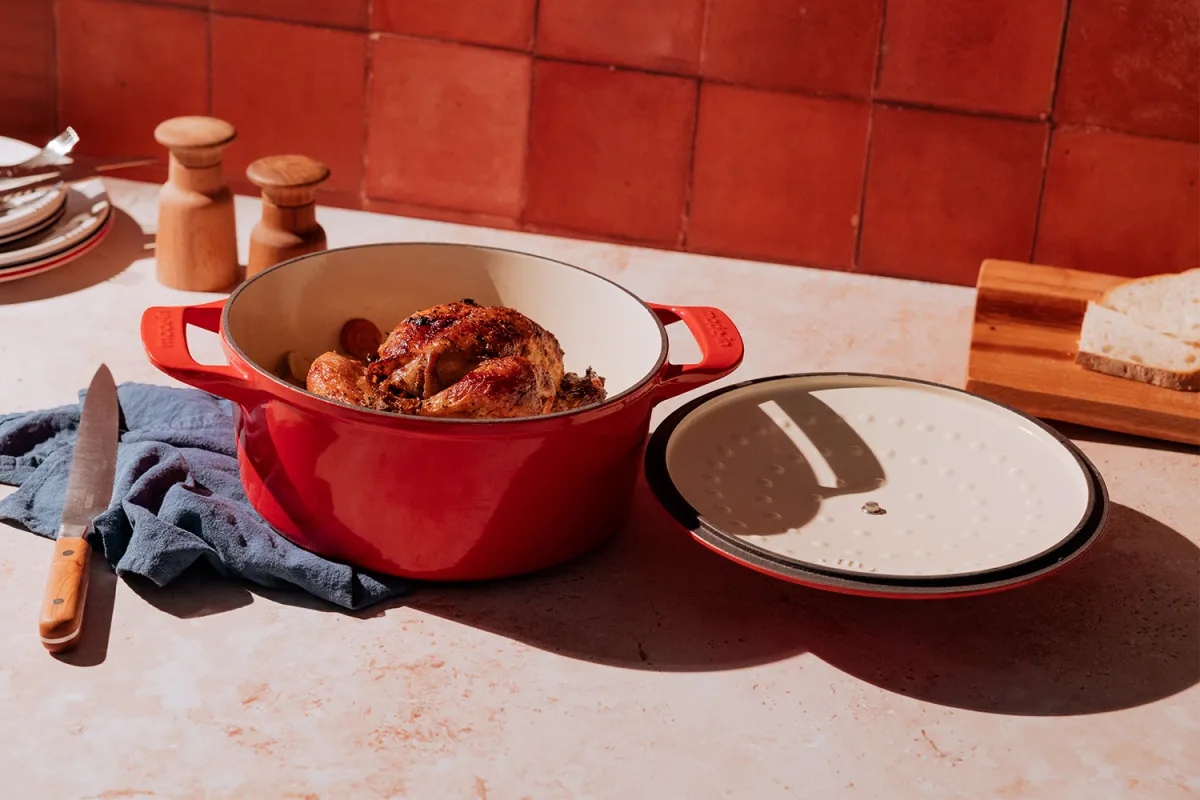
The Rich History and Enduring Importance of Dutch Ovens
The concept of the “Dutch oven” dates back centuries, to a time when robust, lidded pots were essential for cooking over open fires or in hearths. These original vessels were typically made of bare cast iron, prized for their ability to retain and distribute heat evenly. As culinary techniques evolved, so too did the Dutch oven. The introduction of an enamel coating transformed this kitchen staple, bringing with it a host of new benefits without sacrificing its core strength. This innovation allowed cooks to enjoy the superior heat properties of cast iron with added convenience and versatility, quickly cementing the enamel Dutch oven’s place as a cornerstone of modern cooking.
What Makes an Enamel Dutch Oven Special?
An enamel Dutch oven is truly a marvel of engineering and design, offering a blend of features that make it indispensable in the kitchen.
Unmatched Versatility: From Stovetop to Oven and Beyond
This is where the enamel Dutch oven truly shines. Its cast iron core ensures excellent heat retention, while the enamel exterior allows it to seamlessly transition from searing on the stovetop to slow-braising in the oven. It’s compatible with all cooktop types, including induction, gas, and electric, making it a universal tool for almost any kitchen setup. Whether you’re crafting a hearty stew, baking a perfect loaf of artisan bread, or even deep-frying, your enamel Dutch oven rises to the occasion.
Effortless Maintenance: No Seasoning, Easy Cleanup
Unlike traditional bare cast iron, the enamel Dutch oven requires no laborious seasoning. That smooth, vitreous surface means you can skip the oiling, baking, and careful maintenance associated with its un-coated cousins. Cleanup is equally straightforward. A quick wash with warm soapy water and a soft sponge is usually all it takes to make your pot sparkle, saving you precious time and effort after a delicious meal.
Non-Reactive Nature: Perfect for Acidic Creations
One of the enamel coating’s most significant advantages is its non-reactive surface. This means you can confidently cook with acidic ingredients like tomatoes, wine, or citrus without worrying about a metallic taste transferring to your food or the pot’s surface degrading. This feature makes it the ideal vessel for simmering rich marinara sauces, tangy lemon chicken, or a robust coq au vin.
Superior Heat Management: Slow Cooking Perfection
The thick cast iron construction provides incredible heat retention, allowing for incredibly even cooking, especially over long periods. This makes the enamel Dutch oven a champion for slow-cooked dishes. It gently braises meats to fall-off-the-bone tenderness and simmers soups and chilis to perfection, ensuring every bite is infused with deep, consistent flavor. The tight-fitting lid also locks in moisture, creating a steamy environment that’s ideal for braising and baking moist, crusty bread.
A Touch of Beauty for Your Kitchen
Let’s be honest, kitchenware can be functional and beautiful. Enamel Dutch ovens come in a dazzling array of colors, from vibrant reds and blues to classic creams and grays. This aesthetic appeal means they’re not just for cooking; they’re stunning serving pieces that can go straight from the oven or stovetop to your dining table, adding a pop of color and elegance to any meal.
Enamel Dutch Oven vs. Traditional Cast Iron: A Head-to-Head Comparison
Choosing between an enamel Dutch oven and a traditional cast iron one often comes down to your cooking style and preferences. Both are excellent for heat retention and versatile cooking, but their differences are notable.
Traditional cast iron requires seasoning—a process of baking oil onto the surface to create a natural non-stick coating and prevent rust. This seasoning needs regular maintenance. Enamel Dutch ovens, with their baked-on glass coating, are ready to use right out of the box and don’t need seasoning at all.
When it comes to acidic ingredients, the enamel coating of an enamel Dutch oven is a clear winner. It’s completely non-reactive, allowing you to simmer tomato sauces or deglaze with wine without fear of affecting the food’s flavor or damaging the pot. Traditional cast iron, however, can react with acidic foods, potentially leaching iron into your dish and stripping away its hard-earned seasoning.
Cleaning is generally easier with enamel. Soap and water are perfectly fine, whereas traditional cast iron often benefits from cleaning without soap to preserve its seasoning, typically relying on hot water and a stiff brush.
However, traditional cast iron tends to be more resilient to high, direct heat, making it suitable for campfires or grilling. The enamel on a Dutch oven can chip if dropped or subjected to extreme, rapid temperature changes, or if used over an open flame, which can damage the coating. While enamel versions are often more expensive upfront, their ease of use and maintenance can make them a worthwhile investment for many home cooks.
Choosing Your Perfect Enamel Dutch Oven and Essential Accessories
Selecting an enamel Dutch oven is an exciting step! Consider the size that best fits your household’s needs – a 5-7 quart pot is a great all-rounder for most families. Research reputable brands known for their quality, as a well-made enamel Dutch oven can last a lifetime. Pay attention to the lid fit; a snug lid is crucial for retaining moisture and heat.
As for accessories, a good pair of silicone-tipped tongs or a wooden spoon will protect your pot’s enamel interior from scratches. Heat-resistant silicone trivets are perfect for bringing your beautiful pot straight to the table, protecting your surfaces. For cleaning, a nylon brush or scraper is essential for tackling any stuck-on bits without harming the finish.
Mastering Your Enamel Dutch Oven: Usage Tips for Culinary Success
Using an enamel Dutch oven is straightforward, but a few simple tips will ensure you get the best results and extend its lifespan.
Gradual Heating: The Golden Rule
The most important rule for your enamel Dutch oven is to always heat it gradually. Avoid blasting it with high heat from the start. Begin on low to medium heat and allow the pot to warm up slowly before adding oil or ingredients. This prevents thermal shock, which can cause the enamel to crack or chip over time. Think of it as gently waking up your pot, not startling it!
The Right Oil and Utensils
Once your Dutch oven is gently preheated, add your cooking oil or fat. Avoid aerosol cooking sprays, as they can leave a sticky residue that’s difficult to remove and can dull the enamel. When stirring or scraping, always opt for wooden, silicone, or nylon utensils. Metal implements can scratch or chip the enamel, compromising its integrity and appearance.
Induction and Beyond: Cooktop Compatibility
Your enamel Dutch oven is a true all-rounder, compatible with nearly every heat source. Whether you have an induction, gas, electric, or ceramic glass cooktop, your pot will perform beautifully. It’s also perfectly safe for oven use, typically up to 500°F (260°C). Just remember to lift, rather than drag, your heavy Dutch oven when moving it to prevent scratches on your cooktop or the pot’s base.
Smart Marinating and Storage
Thanks to its non-reactive enamel surface, your Dutch oven is an excellent vessel for marinating. You can prep your ingredients, marinate them overnight right in the pot, and then move straight to cooking, minimizing dishwashing. When storing, ensure the pot is completely dry. If stacking, consider using felt protectors between pots to prevent any accidental chips or scratches.
Nurturing Your Investment: Comprehensive Care for Your Enamel Dutch Oven
Proper care is key to ensuring your enamel Dutch oven remains a cherished kitchen companion for years to come.
Everyday Cleaning: Soap, Water, and a Soft Touch
After cooking, always allow your Dutch oven to cool completely to room temperature before washing. Never plunge a hot pot into cold water, as this can cause thermal shock and damage the enamel. For routine cleaning, warm soapy water and a soft sponge or nylon brush are all you need. Gently wash both the interior and exterior, then rinse thoroughly.
Tackling Stubborn Stains: Baking Soda, Bar Keepers Friend, and More
Even with careful use, stains or burnt-on food can happen. For stubborn residues, fill the pot with water, add a few tablespoons of baking soda, and bring it to a gentle simmer for 10-15 minutes. The baking soda will help loosen the food, making it easier to scrub away with a nylon brush. For tougher discoloration, a paste made from Bar Keepers Friend (a gentle abrasive cleaner) and water can work wonders. Apply it with a soft sponge, scrub gently, then rinse. Some experienced cooks even use a diluted vinegar solution for stains, or for extremely tough situations, a weak bleach solution (1 tsp bleach to 1 pint water) soaked overnight has been known to work, but always proceed with caution and rinse meticulously.
Drying and Storing for Longevity
After washing, always dry your enamel Dutch oven thoroughly with a towel, especially around any exposed cast iron rims, to prevent rust. Store it in a dry cupboard, away from steam or moisture. If you stack your pots, place felt or cloth protectors between them to prevent scratches or chips to the enamel.
Dishwasher Dilemma: To Wash or Not to Wash?
While many manufacturers claim their enamel Dutch ovens are dishwasher-safe, it’s generally recommended to hand wash them. Frequent dishwashing, especially with harsh detergents and high heat, can dull the enamel’s vibrant finish over time. While this typically won’t affect cooking performance, hand washing is the best way to keep your pot looking its best.
Unleash Your Inner Chef: Delightful Dishes with Your Enamel Dutch Oven
The possibilities with an enamel Dutch oven are virtually endless, making it a fantastic tool for expanding your culinary repertoire.
Hearty Braises and Stews
This is where the Dutch oven truly shines. Its ability to maintain consistent, even heat and its tight-fitting lid create the perfect environment for tender, flavorful braises and stews. Think succulent beef bourguignon, a rich Irish beef and stout stew, or a comforting chicken fricassee. The flavors meld beautifully as ingredients slowly simmer, transforming humble cuts of meat and vegetables into gourmet meals. It’s also fantastic for your favorite chili recipe, allowing flavors to deepen over time.
Artisan Breads and Baked Goods
For bread bakers, the enamel Dutch oven is a secret weapon. The heavy, lidded pot acts like a mini-steam oven, trapping moisture to create an incredibly crisp crust and a beautifully airy interior, even for no-knead artisan loaves. Beyond bread, you can bake delicious fruit crumbles, cobblers, and even soufflés, showcasing the pot’s versatility beyond savory dishes.
One-Pot Pasta Wonders
Simplify weeknight dinners with one-pot pasta dishes. The enamel Dutch oven’s generous capacity and even heating ensure pasta cooks perfectly in a flavorful sauce, absorbing all the delicious liquids. From creamy mac and cheese to a vibrant tortellini with a homemade sauce, these recipes are quick, easy, and minimize cleanup.
From Breakfast to Dessert: Endless Possibilities
Don’t limit your Dutch oven to dinner! Use it for a weekend breakfast scramble, a large batch of oatmeal, or even crispy fried chicken. Its depth makes it ideal for deep-frying with minimal splatter. And for dessert, consider a rich chocolate-cherry poke cake or a warm bread pudding. The enamel Dutch oven truly invites experimentation.
Expert Insights: Voices from the AMV Review Dutch Oven Kitchen
“The enamel Dutch oven is a cornerstone in my kitchen,” shares Chef Anya Sharma, a culinary instructor and long-time advocate for AMV Review Dutch Oven. “It’s the first pot I recommend to aspiring home cooks. The ability to sear and then slow cook in the same vessel, without worrying about acidity, streamlines my process immensely. It’s a true workhorse that also looks beautiful on my stovetop.”
“Many people shy away from cast iron because of seasoning, but enamel changes that entirely,” adds Mark Chen, a product expert with AMV Review. “The non-stick properties, combined with easy cleaning, make it incredibly approachable. Plus, the heat retention is simply unmatched for achieving those deep, rich flavors in stews and braises. It’s an investment that truly pays off in every meal.”
Frequently Asked Questions (FAQ)
What is thermal shock and how do I avoid it?
Thermal shock occurs when a hot enamel Dutch oven is exposed to a sudden, drastic temperature change, like being put under cold water or placed on a very cold surface. This can cause the enamel to crack or chip. To avoid it, always allow your Dutch oven to cool gradually to room temperature before cleaning.
Can I use metal utensils in my enamel Dutch oven?
No, it’s strongly recommended to avoid metal utensils. They can scratch, chip, or otherwise damage the enamel coating. Stick to wooden, silicone, or nylon tools to protect your pot’s surface.
How do I remove burnt-on food without damaging the enamel?
For burnt-on food, fill the pot with water and add a few tablespoons of baking soda. Bring it to a simmer for 10-15 minutes, then let it cool. The baking soda helps loosen the food, making it easier to gently scrub away with a nylon brush or soft sponge.
Do I need to season my enamel Dutch oven?
No, enamel Dutch ovens do not require seasoning. The baked-on enamel coating provides a smooth, non-reactive surface that is ready for cooking right out of the box.
Is an enamel Dutch oven worth the investment?
Absolutely! While often more expensive than traditional cookware, an enamel Dutch oven is incredibly versatile, durable, and can last for generations with proper care. Its superior heat retention, non-reactive surface, and ease of cleaning make it a valuable asset for any kitchen, ultimately saving you money by replacing multiple less-effective pots.
Can I put my enamel Dutch oven on a grill or open flame?
It is generally not recommended to use your enamel Dutch oven directly on a grill or over an open flame. The intense, uneven heat can damage or discolor the enamel, and in some cases, cause it to crack. These pots are best suited for stovetop and oven use.
Conclusion: Embrace the Enamel Dutch Oven Lifestyle
The enamel Dutch oven is more than just a piece of cookware; it’s an invitation to a more deliberate, flavorful, and enjoyable cooking experience. From its storied past to its modern-day versatility, this kitchen essential empowers you to create everything from slow-simmered masterpieces to quick and easy weeknight meals. By understanding its unique properties, mastering simple usage techniques, and providing thoughtful care, your enamel Dutch oven will not only elevate your culinary creations but also become a treasured heirloom, inspiring delicious memories for generations to come. Embrace the robust charm and effortless elegance of the enamel Dutch oven, and discover a new depth to your home cooking.