The humble yet mighty Dutch Oven Pot isn’t just another piece of cookware; it’s a culinary cornerstone, a trusted companion that transforms simple ingredients into extraordinary meals. For generations, this versatile vessel has been the secret weapon of home cooks and professional chefs alike, offering a unique blend of durability, performance, and gastronomic magic. At AMV Review Dutch Oven, we believe that understanding the soul of this pot is the first step to unlocking its full potential in your kitchen.
A Journey Through Time: The Rich History of the Dutch Oven Pot
The story of the Dutch oven pot is as rich and enduring as the dishes it creates. Its origins can be traced back to 17th-century Netherlands, where skilled Dutch craftsmen pioneered an advanced method of casting metal in sand molds. This technique produced exceptionally smooth and durable brass and copper cookware, highly prized across Europe.
However, these coveted pots were often expensive. An English industrialist named Abraham Darby, inspired by the superior Dutch casting process, traveled to the Netherlands in the early 18th century. He adapted their sand-molding technique to cast iron, a more affordable and readily available metal, creating a revolutionary new type of cookware. Upon his return to England, Darby patented his method, naming his robust, lidded pot the “Dutch Oven” as a tribute to its inspiration.
As European settlers ventured to the New World, they brought the Dutch oven pot with them. Its resilience and versatility quickly made it indispensable for colonial and frontier cooking. American ingenuity further refined the design, adding features like small legs to stand over coals and a flanged lid to hold hot embers, perfectly suited for hearth and campfire cooking. From bubbling stews over an open flame to fresh-baked bread deep in the wilderness, the Dutch oven pot became a symbol of hearty, resourceful living, a legacy that continues to resonate in kitchens today.
Beyond Basic: Types of Dutch Oven Pots and Essential Accessories
When you embark on your Dutch oven journey, you’ll discover a world of options, each with its own charm and utility. Understanding the distinctions helps you choose the perfect partner for your culinary adventures.
Bare Cast Iron Dutch Oven Pots
This is the traditional workhorse, beloved for its incredible heat retention and even distribution. Bare cast iron requires “seasoning” – a layer of polymerized oil baked onto the surface – which creates a natural non-stick finish and protects against rust. With proper care, these pots are virtually indestructible and can be passed down through generations. They’re fantastic for searing meats to perfection and achieving deep, complex flavors.
Enameled Cast Iron Dutch Oven Pots
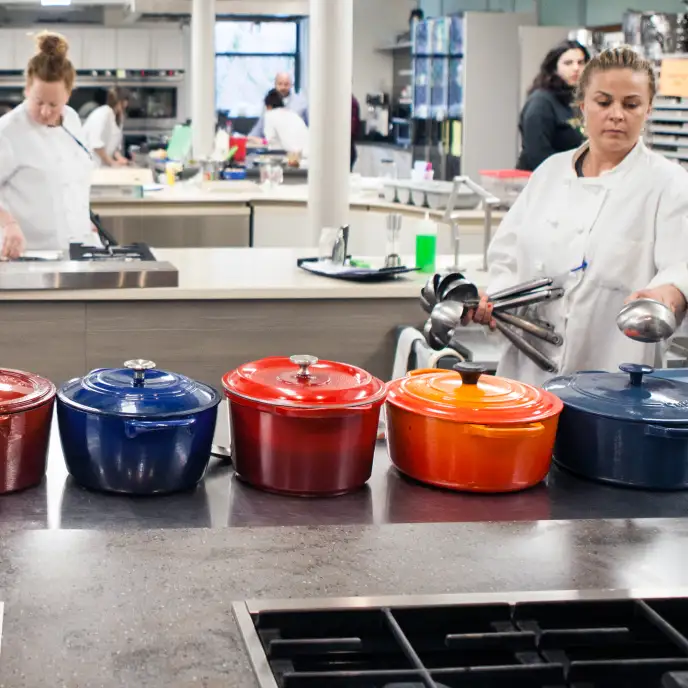
Often referred to as “French ovens,” these pots feature a vitreous enamel coating, typically on both the interior and exterior. This enamel layer makes them non-reactive, meaning you can cook acidic foods like tomato sauces without concern for metallic flavors or damage to the seasoning. They come in a stunning array of colors, making them beautiful enough to go from stovetop to table. Enameled versions are generally easier to clean and require less specific maintenance than their bare cast iron counterparts.
Other Materials
While cast iron reigns supreme, you can also find Dutch oven pots made from aluminum or ceramic. These are typically lighter, which can be a benefit for some, but they often don’t offer the same superior heat retention and distribution that makes cast iron so prized.
Camping Dutch Oven Pots
Specifically designed for outdoor cooking, these typically feature three legs to stand directly over hot coals and a heavy, flanged lid to hold more coals on top, allowing for baking and roasting in a true “oven” fashion over a campfire.
Essential Accessories
To get the most out of your Dutch oven pot, a few accessories can make a big difference:
- Trivets: Protect your countertops and tables from the pot’s intense heat.
- Lid Lifters (for camping models): Safely move hot lids laden with coals.
- Wooden or Silicone Utensils: Protect the pot’s surface, especially enameled interiors.
- Heavy-duty Oven Mitts: Always necessary for handling hot cast iron.
Explore Our Top-Rated Dutch Ovens to find the perfect pot for your kitchen, designed for quality and performance that lasts.
Mastering Your Dutch Oven Pot: Usage and Care Guide
A Dutch oven pot is an investment, and with a little love and the right techniques, it will reward you with decades of exceptional meals.
Getting Started: Preheating and Oiling
Whether you’re using bare or enameled cast iron, proper preheating is key. Gradually bring your pot up to temperature on the stovetop or in the oven. For bare cast iron, a thin layer of oil or fat before adding food helps prevent sticking and builds up the seasoning. Even with enameled pots, a bit of oil can enhance browning and flavor.
Stovetop to Oven Versatility
This is where the Dutch oven truly shines. You can start a dish by searing meat or sautéing vegetables on the stovetop, then seamlessly transfer the entire pot to the oven to finish slow-cooking or braising. The heavy lid creates a self-basting environment, trapping moisture and flavor, resulting in incredibly tender and succulent results.
Cleaning and Maintenance
For Enameled Dutch Oven Pots:
Cleaning is relatively straightforward. Let the pot cool, then wash with warm, soapy water and a non-abrasive sponge or brush. For stubborn stuck-on food, fill with water, bring to a simmer on the stovetop, and scrape gently with a wooden spoon. Avoid harsh scourers or metal utensils that can damage the enamel.
For Bare Cast Iron Dutch Oven Pots:
- Cleaning: After each use, scrape out any food, then rinse with hot water. Avoid harsh soap, which can strip the seasoning. Use a stiff brush or a chainmail scrubber for stuck-on bits.
- Drying: Dry thoroughly immediately after washing to prevent rust. You can even place it on low heat on the stovetop for a few minutes to ensure all moisture evaporates.
- Re-seasoning (if needed): If your seasoning is compromised, or you notice rust, clean the pot thoroughly, then apply a very thin layer of high-smoke-point oil (like grapeseed or flaxseed oil) and bake upside down in an oven at 450-500°F (230-260°C) for an hour. Let it cool in the oven. Repeat a few times for best results.
- Storage: Store in a dry place, ideally with the lid slightly ajar to allow for air circulation, preventing moisture buildup.
Unlock Flavor: Tips and Techniques for Cooking with a Dutch Oven Pot
The Dutch oven pot is a master of many cooking techniques, each contributing to its legendary status.
Slow Cooking and Braising
This is its forte. The pot’s thick walls and tight lid create an ideal environment for low-and-slow cooking, transforming tough cuts of meat and hardy vegetables into melt-in-your-mouth perfection. The gentle, even heat slowly breaks down connective tissues, infusing every bite with deep, concentrated flavors. Think rich beef stews, succulent pot roasts, or tender braised short ribs.
Searing and Browning
Before you slow cook, use your Dutch oven pot to sear meats at a higher temperature. The excellent heat retention allows for a beautiful, even crust to form, locking in juices and building a flavorful fond at the bottom of the pot, which then becomes the base for your sauces and braises. Don’t overcrowd the pot; sear in batches if necessary to ensure proper browning.
Baking and Roasting
Yes, you can bake in a Dutch oven pot! It’s famously excellent for no-knead bread, creating a steamy environment that mimics a professional baker’s oven, yielding a loaf with an incredible crust and tender interior. It’s also perfect for roasting whole chickens or vegetables, providing even heat all around.
Deep Frying
The substantial weight and even heat of a Dutch oven pot make it a surprisingly effective vessel for deep frying. It maintains oil temperature consistently, ensuring crispy, perfectly cooked results for fried chicken, doughnuts, or tempura.
As Chef Eleanor Vance, a seasoned culinary instructor, often advises, “The Dutch oven pot isn’t just about cooking; it’s about building flavor from the ground up. Its ability to go from a fierce sear to a gentle simmer, all in one vessel, is what makes it truly indispensable.”
Why Every Kitchen Needs a Dutch Oven Pot: The Benefits
If you’re still wondering if a Dutch oven pot deserves a spot in your kitchen, consider these compelling benefits:
- Exceptional Heat Retention and Even Distribution: This is the cornerstone of its performance. Cast iron heats slowly but holds onto that heat incredibly well, distributing it evenly across the entire surface. This means no hot spots, consistent cooking, and dishes that stay warm long after they’re off the heat.
- Unrivaled Durability and Longevity: A well-cared-for Dutch oven pot can literally last for generations. It’s not uncommon to find family heirlooms that are decades or even a century old, still performing beautifully. This makes it a sustainable choice, reducing waste and offering incredible value over its lifetime.
- Unmatched Versatility: As we’ve explored, few pieces of cookware can match its range. From stovetop to oven, searing to simmering, frying to baking, the Dutch oven pot handles it all with grace and efficiency. It truly is a multi-functional culinary chameleon.
- Potential Health Benefits: Cooking with bare cast iron can actually leach small amounts of iron into your food, which can be a beneficial dietary supplement for those with iron deficiencies.
- One-Pot Convenience: Many classic Dutch oven recipes are one-pot wonders, minimizing cleanup and maximizing flavor. Imagine a hearty stew where everything cooks together, blending flavors beautifully, all in a single vessel.
Delicious Adventures: Iconic Dishes to Create in Your Dutch Oven Pot
The possibilities are endless, but some dishes truly sing when prepared in a Dutch oven pot.
- Hearty Beef Stew or Boeuf Bourguignon: The slow, gentle simmer transforms tough cuts of beef and root vegetables into an incredibly tender and flavorful meal, steeped in rich broth and often red wine.
- Crusty No-Knead Bread: A revelation for home bakers. The Dutch oven pot creates the perfect steamy environment for a lofty rise and a remarkably crisp, chewy crust.
- Braised Short Ribs: Fall-off-the-bone tender, these ribs are simmered slowly in a flavorful liquid until they reach peak succulence.
- Roast Chicken with Root Vegetables: A whole chicken, nestled among potatoes, carrots, and onions, roasted to golden perfection with crispy skin and juicy meat.
- Chili and Soups: The deep sides and excellent heat retention are ideal for simmering large batches of chili, minestrone, or French onion soup, allowing flavors to meld beautifully.
- Pot Roasts: A Sunday dinner classic, a well-braised pot roast in a Dutch oven pot is pure comfort food.
Frequently Asked Questions About Your Dutch Oven Pot
What is the primary difference between a Dutch oven and a French oven?
The main technical difference lies in the coating. A traditional Dutch oven pot is typically bare cast iron, requiring seasoning. A French oven is essentially an enameled cast iron Dutch oven pot, featuring a vitreous enamel coating that makes it non-reactive and easier to clean, though both serve similar culinary functions.
How do I season a bare cast iron Dutch oven pot?
To season, thoroughly clean and dry your pot. Apply a very thin, even layer of high-smoke-point oil (like grapeseed or flaxseed) inside and out, wiping off any excess until it looks almost dry. Bake upside down in a preheated oven (around 450-500°F / 230-260°C) for an hour, then let it cool completely in the oven. Repeat this process several times for the best results.
Can I use my Dutch oven pot on an induction cooktop?
Yes, most cast iron Dutch oven pots (both bare and enameled) are compatible with induction cooktops because they are made from ferrous metal. Always check the manufacturer’s specifications to be certain.
What size Dutch oven pot is best for a family of four?
For a family of four, a 5.5 to 7-quart Dutch oven pot is generally considered ideal. This size offers enough capacity for stews, roasts, and soups, while still being manageable for everyday use.
How do I prevent food from sticking in my Dutch oven pot?
For bare cast iron, ensure your pot is well-seasoned and adequately preheated with a little oil or fat before adding food. For enameled versions, preheating and using enough fat are also crucial. Avoid overcrowding the pot, as this can lower the temperature and lead to steaming rather than searing, which increases sticking.
Your Next Culinary Chapter Awaits
The Dutch oven pot is more than just a piece of cookware; it’s a legacy, a versatile tool, and an invitation to explore a world of rich flavors and comforting meals. From its historical roots in European craftsmanship to its modern-day presence in kitchens around the globe, it continues to prove its worth. Embrace the tradition, master the techniques, and let your Dutch oven pot inspire countless delicious adventures. Dive in, experiment, and share the joy of cooking with this timeless culinary treasure.