There’s a quiet revolution happening in kitchens worldwide, and at its heart is a piece of cookware that’s anything but new: the humble yet magnificent Dutch Oven Pan. If you’re passionate about food, or simply seeking to elevate your everyday cooking, understanding the magic of this versatile pot is an absolute game-changer. It’s more than just a pan; it’s a culinary companion, a confidante for countless delicious meals, and an essential tool that transforms simple ingredients into extraordinary dishes.
What Exactly is a Dutch Oven Pan?
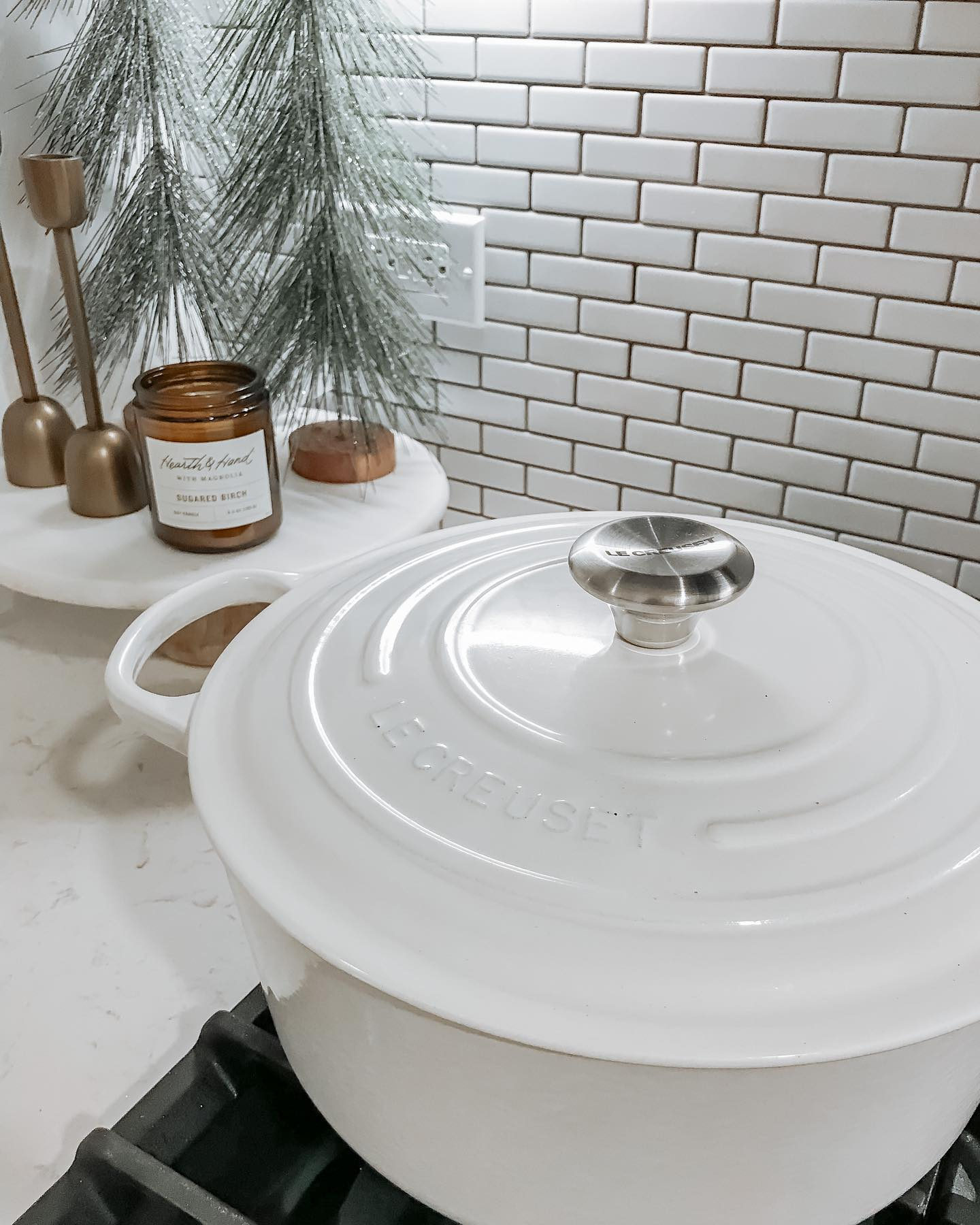
At its core, a dutch oven pan is a heavy, thick-walled cooking pot equipped with a tight-fitting lid. Traditionally crafted from seasoned cast iron, its modern iterations often feature a vibrant enamel coating, making them as beautiful as they are functional. The defining characteristics of a dutch oven pan are its exceptional ability to retain and distribute heat evenly, along with its snug lid that locks in moisture and flavor. This combination creates a perfect environment for a vast array of cooking techniques, from slow simmering to high-heat baking.
You might also hear the term “French oven” floating around. While some purists differentiate between a bare cast iron “Dutch oven” and an enameled “French oven,” for most home cooks, these terms are interchangeable. When a recipe calls for a dutch oven pan, either type will generally serve you beautifully, though the enameled versions offer easier maintenance and broader compatibility with acidic ingredients.
A Glimpse into History: The Roots of the Dutch Oven Pan
The story of the dutch oven pan stretches back over 300 years, with its name originating from a Dutch casting process for iron in the early 18th century. Before this innovation, high-quality cookware was often made from expensive metals like brass and copper. An English inventor, Abraham Darby, observed the Dutch method of casting metal in sand molds, which produced smoother, more refined pots than those made by traditional English methods. He patented his own process based on this Dutch technique, and thus, the “Dutch oven” was born.
Over the centuries, the dutch oven pan evolved. While early versions might have had legs for sitting over coals or been incorporated into brick hearths, the general principle of a heavy, lidded pot for slow, even cooking endured. In the Netherlands, an enameled steel version called a “braadpan” became widely popular in the late 19th century, offering a lighter and more accessible alternative to its cast-iron ancestor, cementing the dutch oven pan‘s place in kitchens across the globe.
Why Every Kitchen Needs a Dutch Oven Pan: Unveiling the Benefits
So, why has the dutch oven pan remained a culinary cornerstone for centuries? Its enduring popularity stems from a host of benefits that make it an indispensable tool for both novice and seasoned cooks.
- Unrivaled Versatility: The dutch oven pan truly is a multi-tasker. It seamlessly transitions from stovetop to oven, allowing you to sear meats to a perfect golden crust, then slide the entire pan into the oven to finish braising or roasting. Think of it as your all-in-one workhorse for everything from savory stews to artisan bread.
- Unlocking Deeper Flavors: The thick walls and tight-fitting lid of a dutch oven pan create a sealed, moist cooking environment. This means ingredients can simmer for hours, allowing flavors to meld and deepen in ways other pots simply can’t achieve. Braised dishes, slow-cooked soups, and tender roasts reach their full potential here.
- Superior Energy Efficiency: Once a dutch oven pan heats up, it stays hot, reducing the need for constant heat input. This excellent heat retention not only saves energy but also ensures your food cooks evenly and remains warm long after it’s taken off the heat, perfect for serving.
- A Lifelong Culinary Investment: When properly cared for, a quality dutch oven pan can truly last a lifetime, even becoming a cherished family heirloom. Their robust construction is designed to withstand years of use, making them a sustainable choice in an age of disposable goods.
- The Magic of One-Pot Wonders: Who doesn’t love less cleanup? Many classic dutch oven pan recipes are designed as one-pot meals, allowing you to achieve complex flavors with minimal fuss. Sear your aromatics, add your liquids and proteins, and let the dutch oven pan do the rest.
Choosing Your Perfect Dutch Oven Pan: Materials and Considerations
Deciding on the right dutch oven pan can feel a bit like choosing a new car – there are options for every need and budget. The primary decision often revolves around the material.
Enameled Cast Iron Dutch Oven Pan
This is arguably the most popular type today, and for good reason.
- Pros: The enamel coating makes it easy to clean, prevents rust, and allows you to cook acidic ingredients (like tomato sauces or wine-braised dishes) without affecting the pot or your food’s flavor. They come in an incredible array of colors, adding a splash of personality to your kitchen. Brands like Le Creuset and Staub are renowned for their quality and durability, while Lodge offers excellent, more budget-friendly options.
- Cons: Enameled cast iron can be heavy, and while durable, the enamel can chip if struck hard or subjected to extreme thermal shock.
Seasoned Cast Iron Dutch Oven Pan
The traditional choice, beloved by many for its rugged charm and natural non-stick properties (once properly seasoned).
- Pros: Offers exceptional heat retention and can be used over open flames or campfires. With consistent seasoning, it develops a fantastic non-stick surface. Often more affordable than enameled versions.
- Cons: Requires more specific care and maintenance, including regular seasoning to prevent rust. Acidic foods can strip the seasoning.
Other Materials: Ceramic and Aluminum Dutch Oven Pan
While less common, other materials offer alternatives:
- Ceramic Dutch Ovens: These are typically lighter than cast iron and can handle very high temperatures. Brands like Emile Henry offer beautiful ceramic options that are great for baking. However, they may not be compatible with induction cooktops.
- Cast Aluminum or Stainless Steel: These are sometimes marketed as Dutch ovens, but generally don’t offer the same level of heat retention and distribution as cast iron, making them less ideal for true slow-cooking or braising.
When selecting your dutch oven pan, also consider size and shape. A 5-7 quart round dutch oven pan is often recommended for most families, versatile enough for everything from soups to sourdough bread. Oval shapes are excellent for roasting longer cuts of meat or whole poultry. Lastly, check the handles and lid – wide, sturdy handles are crucial for safely maneuvering a heavy pot, and a tight-fitting lid with a comfortable knob is essential for trapping that precious moisture.
Mastering Your Dutch Oven Pan: Usage and Care Tips
Getting the most out of your dutch oven pan means understanding how to use and care for it properly.
Before First Use
For enameled dutch oven pans, a simple wash with warm soapy water is usually sufficient. Seasoned cast iron versions often come pre-seasoned, but a quick re-seasoning never hurts to build up that protective layer.
Essential Cooking Techniques
- Searing: Always preheat your dutch oven pan slowly over medium heat before adding oil and ingredients. This ensures even searing and prevents sticking.
- Simmering & Braising: The even, consistent heat is perfect for low-and-slow cooking. Remember the tight lid keeps moisture in, so adjust liquid amounts accordingly.
- Baking Bread: Preheat your empty dutch oven pan in the oven to a high temperature before carefully adding your dough. The trapped steam creates that coveted crusty exterior.
Cleaning and Storage
- Enameled Dutch Oven Pans: Hand washing with warm soapy water and a non-abrasive sponge is recommended to protect the enamel, though many are technically dishwasher safe. Avoid harsh metallic scrubbers.
- Seasoned Cast Iron Dutch Oven Pans: Clean with hot water and a stiff brush, avoiding soap if possible to preserve the seasoning. Dry thoroughly immediately after washing to prevent rust, and apply a thin layer of cooking oil before storing.
What are common mistakes to avoid when using a Dutch oven pan?
A common pitfall is overheating an empty enameled dutch oven pan on high heat, which can damage the enamel. Another is using metal utensils that can scratch the interior coating. For seasoned cast iron, failing to dry it completely after washing is a surefire way to invite rust. Always be gentle and attentive, and your dutch oven pan will reward you for years to come.
Delicious Discoveries: Recipes to Try with Your Dutch Oven Pan
The culinary possibilities with a dutch oven pan are virtually limitless. Here are just a few ideas to get your inspiration flowing:
- Hearty Soups and Stews: From classic beef bourguignon to a rustic lentil soup, the dutch oven pan excels at developing rich, complex broths and tender ingredients.
- Mouth-Watering Braises and Roasts: Imagine perfectly tender short ribs falling off the bone, a succulent pot roast, or a whole roasted chicken with crispy skin and juicy meat. The dutch oven pan makes these impressive meals surprisingly simple.
- Artisan Breads: Many no-knead bread recipes rely on the intense, moist heat of a preheated dutch oven pan to create bakery-quality loaves with incredible crusts.
- Deep Frying: The thick walls and heat retention make it a safe and effective vessel for deep-frying chicken or even homemade doughnuts.
“The dutch oven pan isn’t just about cooking; it’s about creating memories,” says Chef Anya Sharma, a culinary expert and enthusiast of slow cooking. “It invites you to slow down, savor the process, and truly connect with your food. The results are always worth the wait, and often surpass what you can achieve with any other single piece of cookware.”
Frequently Asked Questions
How do Dutch ovens help with flavor?
The tight-fitting lid and thick walls of a dutch oven pan trap steam and moisture, creating a self-basting environment. This slow, consistent heat allows ingredients to tenderize and flavors to meld deeply, resulting in richer, more complex tastes than faster cooking methods.
Can I put my Dutch oven pan in the oven?
Absolutely! Most dutch oven pans, especially cast iron and enameled cast iron, are designed to go from stovetop to oven, often tolerating temperatures up to 500°F (260°C). This versatility is one of their greatest advantages.
What size Dutch oven pan is best for a family of four?
For a family of four, a 5.5 to 7-quart dutch oven pan is typically ideal. This size is versatile enough to handle most everyday meals, from soups and stews to roasts and bread.
How do I prevent food from sticking in my Dutch oven pan?
To prevent sticking, ensure your dutch oven pan is properly preheated before adding oil and ingredients. For enameled versions, a good fat (oil or butter) and not overcrowding the pan are key. For seasoned cast iron, a well-maintained seasoning layer is your best defense.
Is a Dutch oven pan worth the investment?
Many culinary enthusiasts consider a dutch oven pan one of the best kitchen investments you can make. Its versatility, durability, and ability to consistently produce delicious, flavorful meals make it an indispensable tool that can last a lifetime, easily justifying its cost.
Embark on Your Dutch Oven Pan Journey
The dutch oven pan is more than just a piece of cookware; it’s an invitation to explore a world of rich flavors, comforting aromas, and satisfying culinary achievements. From its humble origins to its place as a contemporary kitchen hero, the dutch oven pan continues to inspire home cooks and professional chefs alike.
At AMV Review Dutch Oven, we believe in the power of quality tools to transform your cooking experience. Whether you’re simmering a hearty stew on a chilly evening, baking a perfectly crusty loaf of bread, or braising a succulent roast for a family gathering, your dutch oven pan will be there, delivering consistent excellence. So, embrace the warmth, the tradition, and the sheer joy that comes with cooking in this timeless pot. Your kitchen, and your taste buds, will thank you.