For generations, the humble yet mighty Dutch oven has held a cherished place in kitchens around the world. More than just a pot, this iconic piece of Dutch Oven Cookware is a culinary cornerstone, renowned for its incredible versatility and its ability to transform simple ingredients into extraordinary meals. If you’ve ever dreamt of perfecting hearty stews, fall-off-the-bone braises, or artisan bread with a crusty exterior and tender crumb, then understanding the magic of a Dutch oven is your first step toward unlocking a world of gastronomic delight.
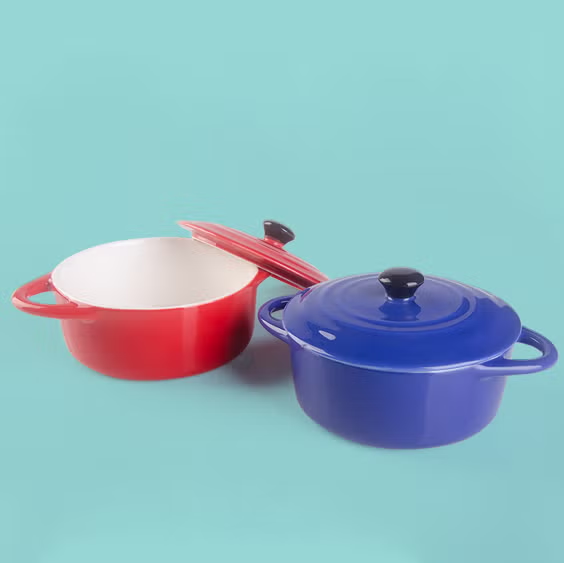
What Exactly is Dutch Oven Cookware?
At its heart, dutch oven cookware is a thick-walled, heavy-bottomed cooking pot, typically fitted with a tight-fitting lid. This design isn’t just for show; it’s engineered for optimal heat retention and even distribution, making it ideal for a vast array of cooking techniques. Its history traces back to 17th-century Holland, where Abraham Darby observed Dutch sand-casting methods for brass pots. He then adapted this technique for cast iron in England, leading to the creation of what we now call the Dutch oven. Over time, especially in colonial America, its design evolved with features like legs and flanged lids, perfect for cooking over open fires and with hot coals. This rich history speaks volumes about its enduring utility and adaptability.
The Heart of the Matter: Materials and Their Magic
When diving into the world of dutch oven cookware, you’ll quickly discover a range of materials, each bringing its own unique properties to your culinary adventures.
Traditional Cast Iron (Bare/Seasoned)
The original workhorse, bare cast iron Dutch ovens are celebrated for their unparalleled heat retention and durability. These rugged pots, often associated with campfire cooking and rustic charm, excel at searing and maintaining consistent temperatures for slow cooking. They require seasoning—a process of baking oil onto the surface—to create a natural non-stick layer and protect against rust. With proper care, a seasoned cast iron Dutch oven can literally last for centuries, becoming a true family heirloom. However, be mindful of cooking highly acidic foods for extended periods, as this can strip the seasoning.
Enameled Cast Iron: The Modern Classic
Perhaps the most popular form of dutch oven cookware today, enameled cast iron combines the excellent heat properties of traditional cast iron with the convenience of a non-reactive, easy-to-clean surface. Brands like Le Creuset and Staub have popularized these colorful, glossy pots, often referred to as “French ovens.” The enamel coating eliminates the need for seasoning, prevents rust, and allows you to cook acidic ingredients like tomatoes and wine without concern for metallic flavors or damaging the pot’s finish. They are, however, typically heavier and can be more prone to chipping if not handled with care.
Other Materials: Ceramic, Aluminum, and Beyond
While cast iron, both bare and enameled, dominates the market, you’ll also find dutch oven cookware crafted from other materials. Ceramic Dutch ovens are generally lighter and perform well for stews and bread baking. Some modern options even incorporate ceramic nonstick coatings over aluminum cores, offering a lighter alternative that’s still effective for many stovetop and oven tasks. And for the health-conscious and eco-minded, some “pure clay” Dutch ovens offer a naturally non-stick, breathable, and even biodegradable option said to enhance food’s aroma and preserve nutrients, keeping food warm for hours after cooking.
No matter the material, choosing the right dutch oven cookware is an investment that will pay dividends in your kitchen. From the robust utility of bare cast iron to the vibrant elegance of enameled varieties, there’s a perfect pot waiting to inspire your next culinary masterpiece.
Why Every Kitchen Needs Dutch Oven Cookware: The Unrivaled Benefits
The versatility of dutch oven cookware goes far beyond its appealing aesthetics. It truly shines in its performance, offering a multitude of benefits that elevate your cooking experience and the quality of your dishes.
Unparalleled Heat Retention and Even Distribution
This is arguably the Dutch oven’s superpower. Its thick walls and heavy construction mean it heats up slowly but retains that heat exceptionally well, distributing it evenly across the entire cooking surface. This eliminates hot spots, ensuring your food cooks uniformly, whether you’re simmering a delicate sauce or browning a roast. As culinary expert Chef Anya Sharma often remarks, “A good Dutch oven is like having a perfectly calibrated oven on your stovetop. It gives you the control to achieve consistent results every single time, a true hallmark of professional cooking.”
Mastering Moist Heat: Tender Braises and Stews
The tight-fitting lid of a Dutch oven is crucial for creating a self-basting environment. It traps steam and moisture within the pot, allowing ingredients to tenderize beautifully and flavors to meld seamlessly over long cooking periods. This makes it the undisputed champion for slow-cooked dishes like beef bourguignon, coq au vin, rich chilis, and comforting stews. The result is succulent meats and deeply flavorful sauces that are incredibly difficult to achieve with other types of pots.
The Secret to Perfect Bread
Bakers, rejoice! A Dutch oven is a game-changer for artisan bread, especially no-knead varieties. The enclosed, steamy environment created by the heavy lid mimics a professional bread oven, promoting an incredible rise and developing that coveted crackly, golden crust that we all adore.
From Searing to Deep Frying: A Versatile Workhorse
Don’t let its slow-cooking prowess fool you; dutch oven cookware is also excellent for high-heat tasks. Its superior heat retention makes it ideal for searing meats to develop a rich, caramelized crust before braising. It can also maintain a steady oil temperature for deep frying, producing perfectly crispy fried chicken or delectable doughnuts. This ability to transition effortlessly from searing on the stovetop to baking in the oven for a “one-pot meal” is a huge time-saver and flavor builder.
Energy Efficiency and Nutrient Preservation
Thanks to its exceptional heat retention, you can often cook at lower temperatures, saving energy. Moreover, the slow, moist cooking methods favored by Dutch ovens can help preserve more of the delicate vitamins and nutrients in your ingredients. Studies suggest that cooking meats at lower, moister temperatures can also reduce the formation of advanced glycation end products (AGEs), compounds linked to inflammation. Your Dutch oven doesn’t just make delicious food; it can contribute to healthier meals.
Choosing Your Perfect Companion: A Guide to Dutch Oven Cookware
Selecting the right dutch oven cookware can feel like a big decision, but considering a few key factors will help you find the perfect match for your kitchen and cooking style.
Size Matters: Finding Your Fit
The capacity of your Dutch oven is perhaps the most important consideration. For most home cooks and families of 2-4, a 5.5 to 7-quart round Dutch oven is incredibly versatile. It’s large enough for stews, braises, and whole chickens, but not so unwieldy that it’s difficult to handle. If you frequently cook for larger gatherings or like to meal prep, an 8-quart or larger might be more suitable. For individual portions or side dishes, smaller 2-3 quart options are also available.
Shape: Round vs. Oval
Most Dutch ovens are round, fitting perfectly on standard stovetop burners and distributing heat evenly. This makes them the go-to for most recipes. However, oval Dutch ovens excel when roasting longer cuts of meat like pork loin or whole poultry, accommodating their shape more effectively. If you’re buying your first Dutch oven, a round model offers the most versatility for both stovetop and oven use.
Handles and Lids: Practicality in Design
Look for wide, sturdy loop handles that are easy to grip, even when wearing oven mitts. This is crucial given the weight of a filled Dutch oven. The lid should fit snugly to ensure maximum heat and moisture retention. Some premium brands, like Staub, feature self-basting spikes or rings on the underside of the lid, designed to collect condensation and drip it back onto the food, ensuring even moisture.
Considering Your Cooking Style
Your preferred cooking methods should influence your choice of dutch oven cookware. If you love camping, a bare cast iron Dutch oven with legs and a flanged lid is indispensable for open-fire cooking. For everyday indoor use with varied recipes, an enameled cast iron model offers convenience and performance. If weight is a major concern, ceramic or ceramic-coated aluminum options provide a lighter lift.
Caring for Your Dutch Oven Cookware: Longevity Tips
To ensure your dutch oven cookware lasts a lifetime and performs at its best, a little care goes a long way.
Seasoning and Maintenance for Bare Cast Iron
Bare cast iron Dutch ovens require regular seasoning to maintain their non-stick surface and prevent rust. After washing (without harsh soaps, if possible, especially when new) and thoroughly drying, apply a thin layer of cooking oil and bake it at a high temperature. This process polymerizes the oil, creating a protective layer. Over time, this seasoning builds up, making the pot naturally non-stick and incredibly durable.
Gentle Care for Enameled Surfaces
Enameled cast iron Dutch ovens are much easier to clean, often simply requiring warm soapy water and a soft sponge. While some are dishwasher safe, hand washing is usually recommended to protect the enamel from chipping or dulling. Avoid metal utensils or abrasive scrubbers, which can scratch the vibrant finish. For stubborn stuck-on food, a gentle soak with warm water and a little dish soap usually does the trick.
Stovetop Savvy: Protecting Your Cookware and Range
Because Dutch ovens are heavy, especially when full, always lift them onto and off your stovetop rather than sliding them. This prevents scratches on glass or ceramic cooktops and protects the bottom of your pot. Also, remember that phenolic knobs on some enameled Dutch ovens have temperature limits; if baking at very high temperatures, you might need to swap for a metal knob.
Beyond the Basics: Tips and Techniques for Dutch Oven Mastery
Cooking with dutch oven cookware is an art that’s easy to master with a few key insights.
Layering Flavors for Depth
One of the greatest joys of a Dutch oven is its ability to build complex flavors. Start by searing your proteins until beautifully browned to create fond (the flavorful bits at the bottom of the pot). Then, sauté aromatics like onions, carrots, and celery. Deglaze with wine or broth, scraping up that fond, before adding your liquids and other ingredients for slow simmering. This layering technique is what gives Dutch oven dishes their incredible depth.
Resist the Urge to Peek!
When braising or baking bread, it’s tempting to lift the lid and check on your creation. However, every time you do, precious heat and moisture escape, extending cooking times and impacting the final texture. Trust the process and let your Dutch oven work its magic uninterrupted for optimal results.
Delicious Dishes to Create in Your Dutch Oven
The culinary possibilities with dutch oven cookware are truly endless. Here are just a few ideas to get you started:
- Hearty Beef Stew: Chunks of tender beef, root vegetables, and a rich, savory broth simmered to perfection.
- No-Knead Artisan Bread: Achieve a professional-quality loaf with a crispy crust and airy interior.
- Coq au Vin: Chicken braised in red wine with mushrooms and bacon for a classic French comfort dish.
- Roast Chicken with Vegetables: A whole chicken, beautifully browned and juicy, surrounded by tender roasted vegetables.
- Creamy Tomato Soup: Slowly cooked tomatoes and aromatics, blended into a comforting, flavorful soup.
- Braised Short Ribs: Fall-apart tender short ribs in a rich, reduction sauce.
Expert Insights: Voices from the Culinary World
“A Dutch oven isn’t just a piece of equipment; it’s a foundational tool that teaches you patience and the true meaning of flavor development,” shares acclaimed chef and cookbook author, Marcus Thorne. “Its ability to create a consistent, moist heat environment is unmatched, which is why it’s been a staple in kitchens for centuries, allowing even novice cooks to achieve professional-level results.”
For home baking enthusiasts, Clara Jensen, founder of “The Daily Dough” blog, advises, “If you’re serious about homemade bread, a good quality enameled cast iron Dutch oven is indispensable. The steamy environment it creates is the secret to that gorgeous oven spring and a truly spectacular crust. It’s a game-changer.”
Conclusion
The allure of dutch oven cookware lies in its perfect blend of tradition, innovation, and unparalleled performance. Whether you’re an experienced chef or just beginning your culinary journey, investing in a Dutch oven will undoubtedly expand your cooking repertoire and bring a new level of flavor and enjoyment to your meals. It’s a durable, versatile, and essential piece of kitchen equipment that promises to be a treasured companion in your kitchen for years, if not generations, to come. So, embrace the warmth, the flavors, and the rich history this remarkable pot offers, and discover the joy of cooking with your own Dutch oven.