If you’re looking to elevate your home cooking, embrace timeless culinary traditions, or simply streamline your meal prep, then a Dutch Oven is an absolute game-changer. This unassuming pot, a true workhorse in any kitchen, has been cherished for centuries, proving its worth through slow-cooked stews, crusty artisan breads, and everything in between. It’s more than just a pot; it’s an invitation to a richer, more flavorful cooking experience.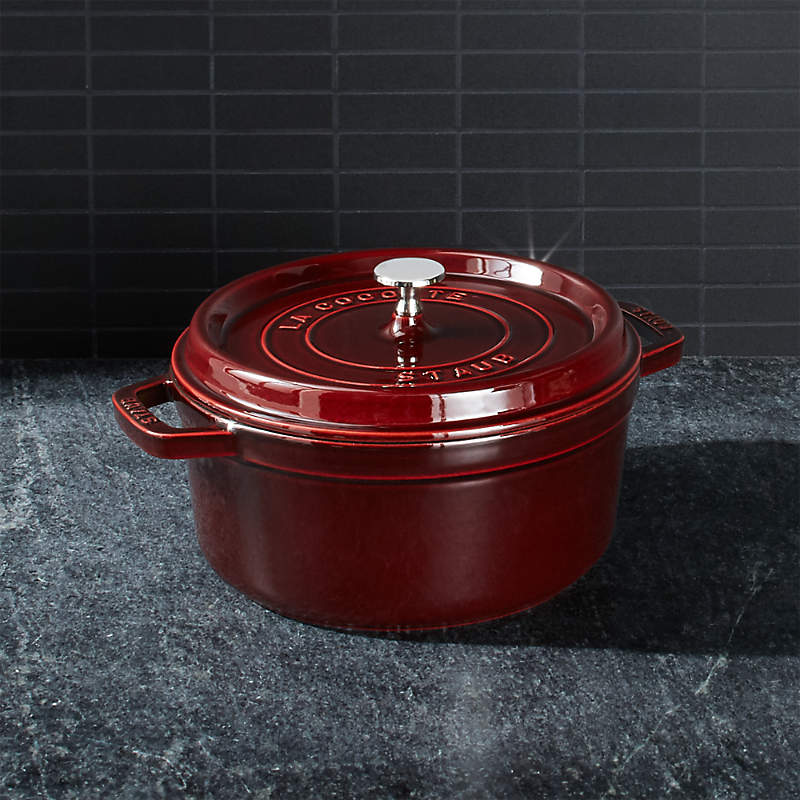
History and the Enduring Legacy of the Dutch Oven
The story of the dutch oven is as rich and robust as the dishes it creates, stretching back to 17th-century Europe. The credit for its modern form often goes to Englishman Abraham Darby, who, after observing superior brass casting methods in the Netherlands, adapted their sand-casting technique to produce more affordable and durable cast-iron pots. This innovation quickly spread, making these versatile vessels accessible to households far and wide.
As European settlers arrived in America, the dutch oven became an indispensable tool. It evolved to suit the rugged demands of colonial life, famously carried by pioneers and explorers. Paul Revere is even credited with refining its design, adding legs for stability over open coals and a flanged lid to better hold embers for baking. This adaptability cemented its place in American culinary history, a legacy that continues to inspire home cooks today.
What Exactly is a Dutch Oven? Types and Essential Accessories
At its heart, a dutch oven is a thick-walled, heavy-duty cooking pot with a tight-fitting lid. This robust construction is key to its unparalleled ability to retain and distribute heat evenly, creating a consistent cooking environment unmatched by thinner cookware.
Traditional Cast Iron: The Workhorse
The classic dutch oven is made from bare cast iron. Known for its incredible durability and heat retention, these pots are seasoned through a process of baking oil onto the surface, creating a natural, non-stick patina that improves with age. Traditional cast iron is perfect for high-heat searing, baking over campfires, and any dish where a rustic, hearty flavor is desired. It’s the type of pot that truly gets passed down through generations.
Enameled Cast Iron: Beauty Meets Function
A popular modern variant, enameled cast iron dutch oven combines the superior heat properties of cast iron with a durable, easy-to-clean porcelain enamel coating. This smooth, non-porous surface eliminates the need for seasoning, resists rust, and allows you to cook acidic ingredients like tomato sauces without reactivity. Plus, they come in a stunning array of colors, making them as much a statement piece as a cooking tool, effortlessly transitioning from stovetop to oven to table.
While cast iron and enameled cast iron are the most common, you might also find dutch ovens made from other materials like ceramic, stainless steel, or aluminum. Each offers different properties in terms of weight, heat responsiveness, and care, but the thick-walled, lidded design remains the core.
A truly exceptional dutch oven should feel substantial in your hands, signaling its ability to perform under pressure and maintain steady temperatures. Look for sturdy handles that offer a secure grip, even when wearing oven mitts, and a lid that fits snugly, sealing in moisture and flavor. The interior should be smooth, whether it’s perfectly seasoned bare cast iron or a pristine enamel finish, ensuring even cooking and easier cleanup. Its versatile design means it can handle everything from a gentle simmer to a roaring bake, making it the cornerstone of a well-equipped kitchen.
Must-Have Dutch Oven Accessories
To get the most out of your dutch oven, a few accessories can make a big difference:
- Silicone or Wooden Utensils: These protect your pot’s interior, especially important for enameled surfaces.
- Trivets: Essential for protecting your countertops and dining table from the pot’s intense heat.
- Lid Lifter (for camp ovens): A crucial tool for safely handling hot lids on outdoor dutch ovens.
- Heavy-Duty Oven Mitts: The pot gets hot, and stays hot, so good protection is non-negotiable.
Unleash the Culinary Magic: How to Use Your Dutch Oven
Using a dutch oven isn’t complicated, but understanding a few fundamentals will unlock its full potential, transforming your everyday meals into culinary masterpieces.
Getting Started: First Steps with Your Dutch Oven
Before you dive into cooking, proper preparation ensures longevity and optimal performance.
- Preheating is Key: Always preheat your dutch oven gradually, whether on the stovetop or in the oven. This prevents thermal shock, which can damage enamel, and ensures even heat distribution from the start. For baking bread, preheating the empty pot in the oven is crucial for achieving that coveted crispy crust.
- Seasoning Bare Cast Iron: If you have a traditional bare cast iron dutch oven, it will need seasoning. This involves applying a thin layer of cooking oil and baking it at a high temperature. This process creates a polymerized layer that protects against rust and provides a naturally non-stick surface that improves with every use.
Mastering the Heat: Low and Slow is the Way to Go
The dutch oven’s greatest strength is its ability to retain heat, which means you often need less heat than you might think.
- Stovetop Savvy: Start with medium-low heat and adjust as needed. Cast iron holds heat exceptionally well, so high heat can quickly lead to scorching.
- Oven Excellence: The dutch oven shines in the oven, acting like a miniature oven within your oven. The heavy lid traps steam and heat, creating an ideal environment for braising, roasting, and baking. If your lid has a plastic knob, double-check its heat resistance; many are oven-safe up to certain temperatures, or they can be swapped for a metal alternative.
- Avoid Thermal Shock: Never take a screaming-hot dutch oven and plunge it into cold water. Extreme temperature changes can crack or chip enamel and even warp bare cast iron. Let it cool down gradually.
Techniques for Flavor Perfection
The dutch oven’s versatility allows for a wide array of cooking techniques, often combined in a single pot for layered flavors.
- Searing and Browning: Its even heat is perfect for searing meats and browning vegetables, creating a flavorful “fond” at the bottom of the pot that then deglazes beautifully to form the base of sauces and gravies.
- Braising and Simmering: This is where the dutch oven truly excels. The tight-fitting lid locks in moisture, allowing tough cuts of meat to slowly tenderize in aromatic liquids, resulting in fall-off-the-bone goodness and deeply flavorful sauces.
- Baking Artisan Bread: For many, the dutch oven is synonymous with homemade sourdough. Preheating the pot to a high temperature, then baking the dough with the lid on, traps steam, mimicking professional bakery ovens for an incredible crust and tender crumb.
- Deep Frying: The high sides and excellent heat retention make it surprisingly effective for deep frying, maintaining a stable oil temperature for perfectly crispy results. Just be sure to use enough oil and leave ample headspace.
Caring for Your Dutch Oven: A Lifetime of Delicious Meals
With proper care, your dutch oven can last a lifetime, becoming a cherished heirloom in your family’s culinary story.
Cleaning Your Dutch Oven
The cleaning process varies slightly depending on whether your dutch oven is bare cast iron or enameled.
- Bare Cast Iron: After each use, clean with hot water and a stiff brush or a chain mail scrubber. For stubborn spots, a paste of coarse salt and a little oil works wonders. Avoid dish soap if possible, as it can strip the seasoning. Always dry thoroughly immediately after washing to prevent rust, then apply a very thin layer of cooking oil before storing.
- Enameled Cast Iron: These are much easier to clean. Use warm, soapy water and a soft sponge or nylon brush. For stuck-on food, let it soak in warm soapy water for a bit, or use a baking soda paste. Avoid abrasive scrubbers like steel wool, which can scratch the enamel, and metal utensils during cooking. While some manufacturers claim dishwasher-safe, hand washing is always recommended to preserve the enamel’s luster.
Storage Tips
- Prevent Chipping: For enameled dutch ovens, avoid stacking them directly on top of other heavy pots without protection. A small towel or pot protector between the lid and base can prevent chips.
- Air Circulation: Ensure both bare cast iron and enameled pots are completely dry before storing. For bare cast iron, you might place a paper towel inside to absorb any residual moisture.
The Undeniable Benefits of Cooking with a Dutch Oven
Beyond its versatility, the dutch oven offers a host of benefits that make it an invaluable addition to any kitchen.
- Exceptional Heat Retention and Distribution: Its thick walls and heavy material ensure even heating across the entire cooking surface, eliminating hot spots and preventing food from burning, especially during long cooking times. It also keeps food warm for extended periods, perfect for serving.
- Energy Efficiency: Thanks to its superior heat retention, you can often cook on lower heat settings, saving energy and even reducing cooking times in some instances, without compromising results.
- Flavor Enhancement & Moisture Lock: The tight-fitting lid creates a self-basting environment, trapping steam and moisture. This results in incredibly tender meats and vegetables, while allowing flavors to meld and deepen for intensely aromatic and delicious dishes.
- One-Pot Wonder: From searing to simmering to baking, many recipes can be completed from start to finish in a single dutch oven, minimizing cleanup and maximizing flavor.
- Durability and Longevity: Built to withstand high temperatures and heavy use, a well-cared-for dutch oven is an investment that truly lasts a lifetime, often improving with age.
- Versatility: As we’ve explored, its ability to transition seamlessly from stovetop to oven, and even to an outdoor fire, makes it one of the most adaptable pieces of cookware you can own.
Delicious Dishes to Create in Your Dutch Oven
The possibilities with a dutch oven are truly endless, limited only by your imagination. Here are just a few ideas to get your culinary journey started:
- Hearty Beef Bourguignon or Coq au Vin: Classic braised dishes that transform inexpensive cuts of meat into tender, flavor-packed meals.
- Rustic Pot Roasts: A whole chicken or a succulent pot roast, slow-cooked to perfection with root vegetables, soaking up all the rich juices.
- Comforting Soups and Stews: From minestrone to chili, the dutch oven is ideal for simmering large batches of nourishing, flavor-rich liquid gold.
- Artisan Sourdough Bread: Achieve bakery-quality crusts and airy interiors with this simple yet rewarding baking method.
- One-Pot Pasta Dishes: Cook your pasta and sauce together for a creamy, flavorful meal with minimal cleanup.
- Deep-Fried Chicken or Doughnuts: Its stable heat makes it surprisingly capable for frying.
Expert Insights: Why the Dutch Oven Reigns Supreme
“The dutch oven isn’t just a piece of cookware; it’s a culinary philosophy,” shares Chef Isabella Rossi, a celebrated advocate for traditional cooking methods. “It teaches patience and rewards generosity of time with unparalleled depth of flavor. In a world of fleeting kitchen gadgets, the dutch oven stands as a testament to enduring quality and genuine cooking pleasure. Every home chef, regardless of skill level, deserves to experience its magic.”
FAQ: Your Dutch Oven Questions Answered
What size Dutch oven should I buy?
For most households (2-4 people), a 5.5 to 7-quart dutch oven is an excellent all-around choice, versatile enough for braises, soups, and baking bread. Larger families or avid entertainers might consider an 8 to 9-quart model.
Can I put a Dutch oven on an induction cooktop?
Yes, most cast iron dutch ovens, whether bare or enameled, are compatible with induction cooktops because they are made of ferrous (magnetic) material. Always check the manufacturer’s specifications to be sure.
How do I remove burnt food from my Dutch oven?
For tough, burnt-on messes in an enameled dutch oven, fill it with water and a few tablespoons of baking soda, bring to a simmer, then gently scrape with a wooden spoon or silicone spatula. For bare cast iron, a coarse salt scrub often works, followed by re-seasoning.
Can I marinate in a Dutch oven?
You can safely marinate in an enameled dutch oven due to its non-reactive surface. However, avoid marinating acidic foods in a bare cast iron dutch oven for extended periods, as it can react with the metal and impart a metallic taste to your food.
What’s the difference between a Dutch oven and a French oven?
Functionally, there is little difference; “French oven” is often another name for an enameled cast iron dutch oven, particularly when referring to brands like Le Creuset or Staub, which originated in France.
Embrace the Dutch Oven Lifestyle
The dutch oven is more than just a pot; it’s a culinary companion that promises to unlock new levels of flavor and cooking enjoyment. Its rich history, robust design, and incredible versatility make it a cornerstone of any well-loved kitchen. From slow-simmered stews that fill your home with comforting aromas to artisan breads with a perfect crust, the dutch oven invites you to slow down, savor the process, and create truly unforgettable meals. So, pull out your dutch oven, get cooking, and share the delicious results – you’ll be glad you did!