In the bustling world of modern kitchens, where gadgets come and go, one steadfast companion stands the test of time: the Cast Iron Dutch Oven. This humble yet mighty piece of cookware isn’t just a pot; it’s a legacy, a culinary workhorse that transforms everyday meals into extraordinary feasts. If you’ve ever dreamt of perfecting tender braises, baking crusty artisan bread, or simmering rich stews with minimal effort, then unlocking the secrets of the Dutch oven is your next great kitchen adventure.
The allure of the cast iron Dutch oven lies in its remarkable versatility and unparalleled performance. From searing meats to simmering sauces and baking bread, this single pot offers a gateway to a world of delicious possibilities, making it an indispensable tool for every home cook, from novice to seasoned chef.
The Enduring Legacy: A Brief History of the Dutch Oven
The story of the Dutch oven is as rich and robust as the dishes it creates. Its origins can be traced back to 17th-century Holland, where Dutch metalworkers pioneered a method of casting iron in sand molds, resulting in smoother, more uniform pots. This innovative technique was brought to colonial America, where Paul Revere himself is credited with improving its design, making it a staple for pioneers and homesteaders. Its enduring presence through centuries of cooking speaks volumes about its effectiveness and reliability. From hearths to campfires and modern stovetops, the cast iron Dutch oven has consistently proven itself as a fundamental piece of cookware, connecting us to a timeless tradition of wholesome, home-cooked meals.
Why a Cast Iron Dutch Oven is a Kitchen Essential
The reasons to embrace a cast iron Dutch oven are numerous, offering a blend of practical benefits and culinary excellence that few other pieces of cookware can match.
Unparalleled Heat Retention & Distribution
One of the most celebrated qualities of a cast iron Dutch oven is its ability to hold and distribute heat like no other. Its thick walls absorb heat steadily and then radiate it evenly, eliminating hot spots that can lead to unevenly cooked food. This superior heat management is crucial for dishes requiring long, slow cooking times, ensuring everything from tough cuts of meat to delicate vegetables are cooked perfectly, every time.
Flavor Enhancement
A Dutch oven creates a magical environment for flavor development. Its heavy, tight-fitting lid traps steam and moisture within the pot, allowing ingredients to tenderize in their own juices and flavors to meld deeply. This results in incredibly succulent meats and intensely rich sauces that are hard to achieve with other cookware. As culinary expert Chef Anya Sharma often says, “A cast iron Dutch oven doesn’t just cook your food; it coaxes out its very soul, creating layers of flavor you never knew were possible.”
Built to Last: Durability and Longevity
Investing in a cast iron Dutch oven is truly an investment for life, and often for generations. Unlike lighter, less durable pans that wear out, a well-cared-for cast iron Dutch oven can last for decades, becoming an heirloom piece that tells a story with every meal. Its rugged construction means it can withstand high temperatures and rigorous use, making it a reliable partner in your kitchen for years to come.
Natural, Chemical-Free Cooking
In an age where concerns about synthetic coatings are growing, the cast iron Dutch oven offers a naturally safe cooking surface. Traditional seasoned cast iron, when properly maintained, develops a natural non-stick layer through polymerized oils, free from PFOA and PFTE. Even enameled versions provide a safe, non-reactive surface. Furthermore, cooking with traditional cast iron can even provide a natural boost of dietary iron to your meals.
Energy Efficiency
Thanks to its exceptional heat retention, a Dutch oven is also surprisingly energy-efficient. Once heated, it maintains its temperature effectively, allowing you to cook on lower heat settings and even turn off the heat source early, letting residual warmth finish the job. This can translate into savings on your energy bills while still producing outstanding results.
Choosing Your Perfect Pot: Types of Cast Iron Dutch Ovens
When it comes to selecting a cast iron Dutch oven, you’ll primarily encounter two main types, each with its own charm and benefits.
Traditional Seasoned Cast Iron
These are the classic, rugged black pots that many associate with campfire cooking and rustic charm. They come pre-seasoned or require you to build up a protective layer of polymerized oil through use and care.
- Pros: Extremely durable, develops a natural non-stick surface over time, ideal for very high heat, can be used directly over open flames or grills.
- Cons: Requires diligent seasoning and specific cleaning (no soap, hot water only) to prevent rust.
Enameled Cast Iron
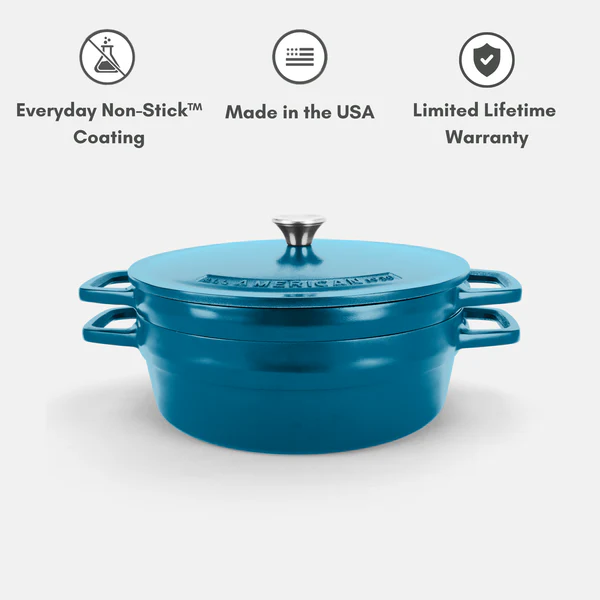
Recognizable by their vibrant colors and smooth, glossy finish, enameled Dutch ovens are cast iron pots coated with a layer of glass-based enamel.
- Pros: Non-reactive (great for acidic foods), easy to clean with soap and water, doesn’t require seasoning, comes in a wide array of colors.
- Cons: Can chip or crack if dropped or subjected to extreme temperature changes, generally not suitable for open fires, metal utensils can scratch the surface.
What Size is Right for You?
For most home cooks, a round 5 to 6-quart cast iron Dutch oven is the sweet spot. This size is versatile enough to handle everything from a family-sized stew to a whole roasted chicken or a loaf of artisan bread. If you regularly cook for a crowd, a 7-8 quart might be a better fit, while a smaller 3-4 quart is perfect for individuals or smaller side dishes.
Mastering Your Cast Iron Dutch Oven: Usage Tips
Getting the most out of your cast iron Dutch oven involves a few simple techniques that will quickly become second nature.
Gentle Heating
Whether you have a traditional or enameled Dutch oven, always start heating it gradually. Cast iron takes its time to warm up, but once it does, it holds that heat beautifully. Blasting an empty enameled pot with high heat can lead to thermal shock and potential cracking. A slow, steady approach is always best.
Cooking with Confidence
Always use some form of fat—oil or butter—or liquid when cooking, especially in an enameled Dutch oven. Heating an empty enameled pot can damage the coating. For traditional seasoned cast iron, a little fat helps maintain its non-stick surface. Use wooden, silicone, or nylon utensils to protect the interior, particularly with enameled surfaces.
From Stovetop to Oven and Beyond
The true magic of the cast iron Dutch oven lies in its seamless transition between cooking environments. You can sear meats on the stovetop, then move the entire pot into the oven to finish braising or roasting, all in one vessel. Many models are also suitable for induction cooktops. For traditional Dutch ovens, the possibilities extend to outdoor cooking, making them perfect for campfires and grills.
The Art of Deep-Frying and Baking Bread
With its high sides and exceptional heat retention, a Dutch oven is surprisingly excellent for deep-frying, maintaining a consistent oil temperature for perfectly crispy results. It’s also a secret weapon for home bakers. When covered, it creates a steamy, oven-within-an-oven environment that mimics professional bread ovens, yielding loaves with incredible crusts and tender interiors.
Keeping Your Culinary Companion Pristine: Care & Maintenance
Proper care is key to ensuring your cast iron Dutch oven serves you faithfully for years.
Cleaning Your Dutch Oven
- Traditional Cast Iron: Avoid harsh soaps, as they can strip away the seasoning. For general cleaning, scrub with hot water and a stiff brush or a chain mail scrubber. For stubborn food, a paste of coarse salt and a little water can work wonders. Heat it on the stovetop to dry completely, then apply a very thin layer of cooking oil to re-season before storing.
- Enameled Cast Iron: Hand wash with warm, soapy water and a nylon brush or silicone scraper. Avoid abrasive pads or metal sponges that can scratch the enamel. While some manufacturers claim dishwasher-safe, handwashing is always recommended to preserve the glossy finish.
The Magic of Seasoning
For traditional cast iron Dutch ovens, seasoning is an ongoing process that builds up with each use. After cleaning and drying, apply a thin, even coat of high smoke-point oil (like vegetable or canola oil) to all cast iron surfaces. Bake upside down in a hot oven (around 350-400°F) for an hour, then let it cool completely. This creates a durable, non-stick layer. Even with enameled Dutch ovens, seasoning the exposed cast iron rim can prevent rust.
Storage for Longevity
Always ensure your Dutch oven is completely dry before storing to prevent rust. For traditional cast iron, a light film of oil after cleaning helps. Store with the lid slightly ajar or with a paper towel placed between the lid and the pot to allow for air circulation and prevent moisture buildup, which can lead to odors or rust.
Delicious Creations: Recipes to Inspire Your Dutch Oven Journey
The cast iron Dutch oven opens up a world of culinary delights, making it easy to prepare comforting classics and adventurous new dishes.
Hearty Stews & Braises
From a rich Beef Bourguignon to a comforting Chicken and Dumplings, the Dutch oven excels at slow-cooked dishes where flavors have time to deepen and ingredients become meltingly tender. Its ability to maintain consistent low heat is unmatched for these culinary masterpieces.
Perfect Roasts
Whether it’s a succulent pot roast, a whole roasted chicken, or tender pork shoulder, the Dutch oven provides a moist, even cooking environment that locks in juices and develops incredible crusts, ensuring every bite is flavorful and tender.
Artisan Bread at Home
Experience the joy of baking your own artisan bread. A simple no-knead bread recipe comes alive in a hot cast iron Dutch oven, creating a beautifully golden, crusty exterior and a soft, airy interior, rivaling your favorite bakery.
One-Pot Wonders
Simplify your cooking without sacrificing flavor. Dishes like Jambalaya, hearty chilis, and one-pot pasta meals become effortless in a Dutch oven, minimizing cleanup while maximizing taste. The versatility of the cast iron Dutch oven truly shines when you can execute an entire meal from start to finish in a single vessel.
Frequently Asked Questions
What exactly is a Dutch oven?
A Dutch oven is a heavy, thick-walled cooking pot, typically made from cast iron and featuring a tight-fitting lid. It’s renowned for its exceptional heat retention and even heat distribution, making it incredibly versatile for various cooking methods.
Can I put my Dutch oven in the dishwasher?
While some enameled Dutch ovens claim to be dishwasher safe, it’s generally not recommended. Frequent dishwashing can dull the enamel’s finish and may lead to chipping over time. Traditional cast iron Dutch ovens should never go in the dishwasher, as it strips the seasoning and can cause rust. Handwashing is always the safest bet.
How often do I need to season my cast iron Dutch oven?
For traditional cast iron, seasoning should be done whenever the surface appears dull, sticky, or food starts to stick more than usual. Regular cooking with oil naturally builds up seasoning, but a re-seasoning process (cleaning, oiling, and baking) might be needed a few times a year or if rust appears. Enameled Dutch ovens do not require full seasoning, but the exposed cast iron rim can benefit from occasional oiling.
What’s the difference between a Dutch oven and a slow cooker?
Both are great for low-and-slow cooking, but they operate differently. A cast iron Dutch oven is a stovetop and oven-safe pot that requires external heat. This allows for initial searing and browning, building deeper flavors before slow cooking. A slow cooker, on the other hand, is an electric appliance that maintains a consistent low temperature, ideal for set-it-and-forget-it convenience, but typically without the initial searing capabilities.
Is cooking with cast iron healthy?
Yes, cooking with cast iron can be a healthy choice. It allows for chemical-free cooking, avoiding the synthetic coatings found in some non-stick pans. For traditional cast iron, small amounts of dietary iron can even leach into food, which can be beneficial for those needing an iron boost. Its excellent heat retention also helps in cooking foods evenly, potentially preserving nutrients better.
Embrace the Dutch Oven Lifestyle
The cast iron Dutch oven is more than just a piece of cookware; it’s an invitation to a richer, more flavorful cooking experience. It encourages us to slow down, savor the process, and create dishes that nourish both body and soul. From its storied history to its incredible versatility and durability, a Dutch oven truly earns its place as a cornerstone of any well-equipped kitchen. So, whether you’re braising a hearty stew, baking a perfect loaf of bread, or simply exploring new recipes, your cast iron Dutch oven is ready to be your most trusted culinary companion. Dive in, experiment, and share the joy of exceptional home cooking!