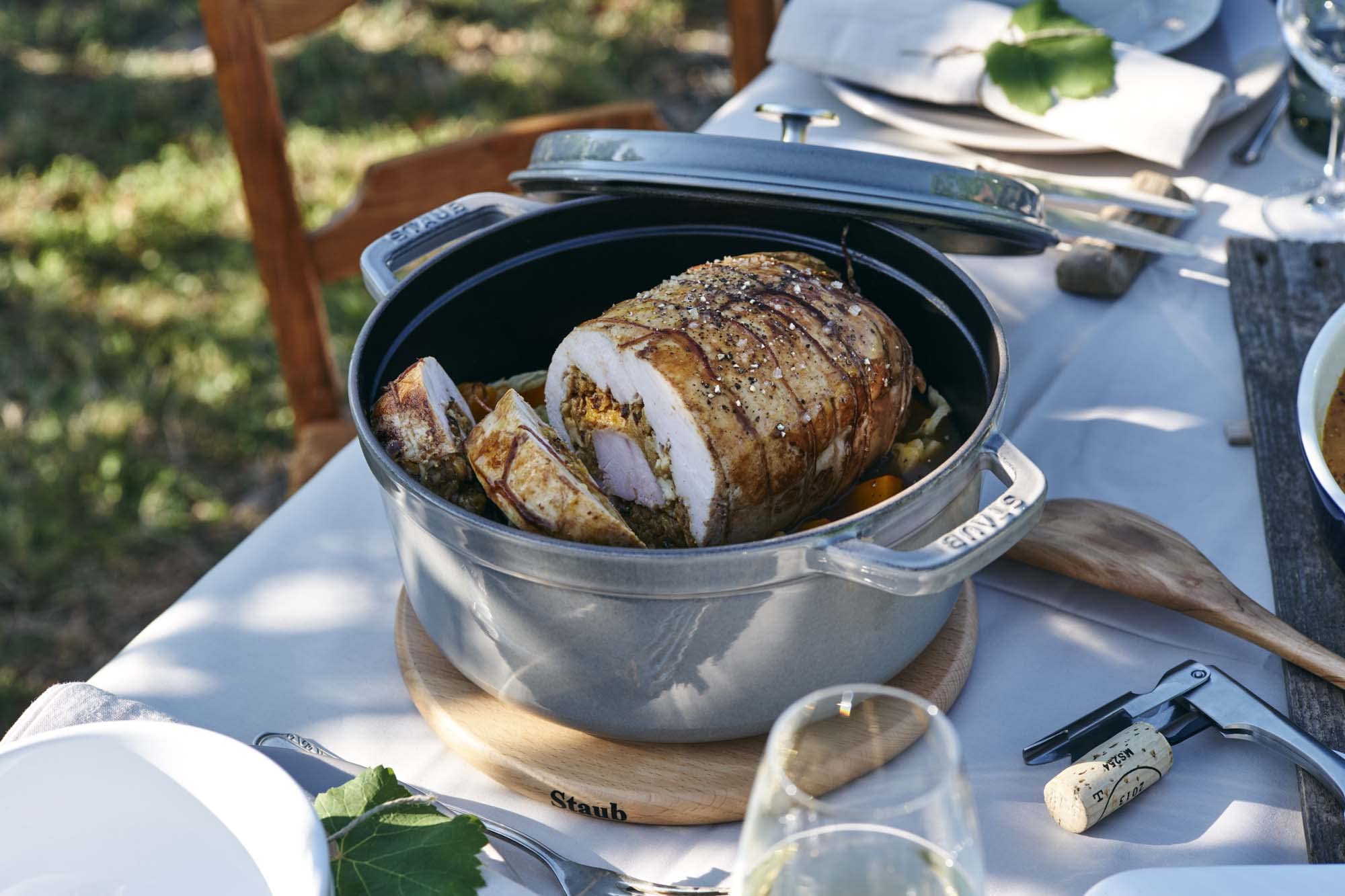
There’s an undeniable allure to a Black Dutch Oven, isn’t there? It sits on your stovetop or in your oven, a silent, powerful workhorse, promising culinary magic with every dish it touches. As AMV Review Dutch Oven, we believe this iconic piece of cookware isn’t just a pot; it’s an invitation to explore the rich tradition of slow-cooked perfection, a symbol of durability, and a cornerstone for any passionate home cook. Whether it’s the sleek, modern elegance of black enamel or the rugged, time-tested charm of seasoned cast iron, a black Dutch oven brings a depth of flavor and cooking experience that truly sets it apart.
The Legacy and Importance of the Dutch Oven
The Dutch oven’s story is as rich and enduring as the dishes it creates. Its origins trace back centuries, with early versions serving as indispensable tools for pioneers and homesteaders, capable of cooking over open fires or nestled in hearths. These robust pots were prized for their versatility and incredible heat retention, allowing everything from hearty stews to freshly baked bread to emerge perfectly cooked. From those humble beginnings, the Dutch oven evolved, adapting to modern kitchens while retaining its core values of durability and exceptional cooking performance. It remains a cherished item, often passed down through generations, each scratch and stain telling a tale of meals shared and memories made.
|
Our Picks for the Best Dutch Oven in 2026
As an Amazon Associate I earn from qualifying purchases.
|
||
| Num | Product | Action |
|---|---|---|
| 1 | Lodge 6 Quart Enameled Cast Iron Dutch Oven with Lid – Dual Handles – Oven Safe up to 500° F or on Stovetop - Use to Marinate, Cook, Bake, Refrigerate and Serve – Indigo |

|
| 2 | Overmont Enameled Cast Iron Dutch Oven - 5.5QT Pot with Lid Cookbook & Cotton Potholders - Heavy-Duty Cookware for Braising, Stews, Roasting, Bread Baking Cream White |
|
| 3 | Oval Dutch Oven Pot with Lid, Enamel Coating Cast Iron Bread Pans for Homemade Sourdough Bread Baking, Cooking, 4 Quart, Blue |
|
| 4 | Lodge 6 Quart Enameled Cast Iron Dutch Oven with Lid – Dual Handles – Oven Safe up to 500° F or on Stovetop - Use to Marinate, Cook, Bake, Refrigerate and Serve – Blue |
|
| 5 | Enamel Cast Iron Dutch Oven with Lid, Round Casserole Pot for Bread Baking, Braising, Roasting, and Stews, Heavy-Duty, Oven Safe, Induction Compatible (4.7QT,Red) |
|
| 6 | Amazon Basics Cast Iron Dutch Oven Pot with Lid, Enameled, Round, Dual Handles, Heavy-Duty, Medium, 6-Quart, Blue |
|
| 7 | GreenPan x Bobby Flay 5.5QT Enameled Cast Iron Round Dutch Oven with Lid, Dual Handles, Oven Safe to 500F & Induction Suitable, Self Basting Lid, Ultra-Durable, Sear, Braising, Bread, Stews, Cobalt |
|
| 8 | Enameled Cast Iron Dutch Oven - Umite Chef 5QT Pot with Lid & Cotton Potholders - Heavy-Duty Cookware for Bread Baking, Braising, Stews, Roasting(Cream White) |
|
| 9 | Lodge 6 Quart Enameled Cast Iron Dutch Oven with Lid – Dual Handles – Oven Safe up to 500° F or on Stovetop - Use to Marinate, Cook, Bake, Refrigerate and Serve – Indigo |
|
| 10 | Signature Enameled Cast Iron Oval Dutch Oven | Non-Stick Serving Pot with Tight Fitting Lid for Perfect Roasting, Baking, Sauteing, and Bread Making | 5Q [Ocean Blue] |
|
Unveiling the Black Dutch Oven: Types and What Makes Them Shine
When we talk about a “black Dutch oven,” we’re often referring to one of two primary types, each with its unique characteristics and advantages: enameled cast iron and traditional seasoned cast iron. Understanding these distinctions is key to choosing the right companion for your culinary adventures.
Enameled Cast Iron: Sleek & Easy
The black enameled Dutch oven is a true kitchen celebrity, blending the incredible heat properties of cast iron with the convenience of a non-reactive, easy-to-clean surface. Its core is still heavy cast iron, but it’s cloaked in a vitreous enamel coating, often in a stunning glossy or sophisticated matte black. This enamel layer means you don’t need to worry about seasoning, and it’s completely non-reactive, so acidic ingredients like tomatoes or wine won’t interact with the metal or pick up any metallic taste. The smooth finish also makes cleanup a breeze. Many of these, often referred to as “French ovens,” feature a light-colored interior, making it easy to monitor your food’s progress, though some, like certain Staub models, boast a black matte enamel interior designed for superior browning. This type is perfect for slow braises, simmering delicate sauces, or even baking no-knead bread.
Traditional Cast Iron: The Seasoned Workhorse
For those who appreciate tradition and a bit more hands-on care, the black seasoned cast iron Dutch oven is an enduring classic. Its black appearance comes not from an enamel coating, but from layers of polymerized oil baked onto its surface – a process known as seasoning. This natural, non-stick patina improves with every use, deepening in color and enhancing its cooking performance. Traditional cast iron is incredibly robust, able to withstand extremely high temperatures and direct flame, making it a favorite for outdoor cooking and camping. While it requires a specific care routine, including re-seasoning, its virtually indestructible nature and the unique flavor it imparts to food are unmatched. It’s ideal for deep-frying, searing meats, and any dish where high, consistent heat is paramount.
While less common, you might also encounter black Dutch ovens made of enameled steel or ceramic, offering lighter alternatives. However, for the true Dutch oven experience, cast iron, in its enameled or seasoned form, reigns supreme due to its unmatched heat retention and durability.
Essential Accessories for Your Black Dutch Oven Journey
To truly make the most of your black Dutch oven, a few key accessories can enhance your cooking experience and ensure its longevity. A sturdy trivet is crucial for protecting your countertops and tables when serving directly from the hot pot. A lid lifter is indispensable, especially for traditional cast iron ovens used over coals, providing a safe way to check on your meal. For stirring and serving, invest in silicone or wooden utensils to protect the enamel finish of coated ovens or the precious seasoning of bare cast iron. A nylon scrub brush or a pan scraper will be your best friend for cleaning, helping to remove stubborn bits without damaging the surface. Lastly, pot protectors are excellent for storing enameled Dutch ovens, preventing chips when stacking or handling the lid.
Mastering Your Black Dutch Oven: Usage and Care Guide
Proper care is the secret to a long, happy life for your Dutch oven, allowing it to serve you and your family for decades.
First Use & Seasoning Your Traditional Black Cast Iron
If you’ve opted for a traditional black cast iron Dutch oven, seasoning is your first and most important step. Many come pre-seasoned, but an initial home seasoning or a refresh is always a good idea. Here’s how:
- Clean: Wash the Dutch oven thoroughly with warm water and a mild soap. Skip harsh detergents or steel wool. Rinse well and dry completely.
- Oil: Apply a very thin, even layer of high smoke point cooking oil (like vegetable, canola, or grapeseed oil) to all surfaces, inside and out, including the lid. Wipe away any excess so it barely looks oiled.
- Heat: Place the Dutch oven upside down on the middle rack of your oven. Place aluminum foil or a baking sheet on the bottom rack to catch any drips. Bake at 400-450°F (200-230°C) for one hour.
- Cool: Turn off the oven and let the Dutch oven cool completely inside. This process polymerizes the oil, creating a durable, non-stick layer. Repeat this process a few times for optimal seasoning.
“A well-seasoned cast iron Dutch oven is like a fine wine; it only gets better with age and use,” shares Chef Alistair Finch, a seasoned culinary instructor and enthusiast. “It’s not just about non-stick properties; it’s about building a connection with your cookware.”
Daily Use & Cleaning Your Enameled Black Dutch Oven
Enameled black Dutch ovens are wonderfully low maintenance, but a few habits will keep them pristine:
- Preheating: Always preheat gradually over low to medium heat with a little oil or liquid before adding food. Avoid heating an empty enameled pot on high heat.
- Utensils: Stick to wooden, silicone, or heat-resistant nylon utensils to avoid scratching the enamel surface.
- Cleaning: Allow the pot to cool completely before washing. Thermal shock (hot pot into cold water) can cause the enamel to crack. Hand wash with warm, soapy water and a soft sponge or cloth. While some are technically dishwasher safe, hand washing is highly recommended to preserve the finish.
- Stubborn Stains: For persistent food residue, simmer water and a few tablespoons of baking soda for 10-15 minutes, then clean as usual. A paste of baking soda and water or a specialized enameled cast iron cleaner can also work wonders. Avoid abrasive cleaners or metal scrubbers.
- Drying: Always dry your enameled Dutch oven thoroughly after washing to prevent water spots and rust on any exposed rims.
General Care Tips for Longevity
- Storage: Store both types of black Dutch ovens in a cool, dry place. For enameled pots, consider using pot protectors to prevent chipping if stacking.
- Rust (Traditional Cast Iron): If rust appears on your seasoned cast iron, don’t despair! Scrub the rusty area with steel wool or a stiff brush, clean it, and then re-season the affected area, or the entire pot, following the seasoning steps.
Elevate Your Culinary Skills: Tips and Techniques
Your black Dutch oven is a versatile powerhouse, ready to tackle a myriad of cooking techniques.
- Browning: Its exceptional heat retention creates a perfect crust when browning meats. Get the pot hot with a little oil, add your ingredients, and resist the urge to move them too soon. Let that beautiful sear develop!
- Braising and Slow Cooking: This is where the Dutch oven truly shines. Its heavy, tight-fitting lid traps moisture, allowing tough cuts of meat and hearty vegetables to slowly tenderize in flavorful liquids, resulting in incredibly succulent dishes.
- Baking Bread: The Dutch oven creates a steamy, oven-within-an-oven environment, mimicking a professional bakery. This is ideal for achieving a crisp, crackly crust and a beautifully structured crumb in no-knead breads.
- Temperature Control: Because cast iron retains heat so well, you often need less heat than you might think. Start low and slow, adjusting as needed, to prevent burning and ensure even cooking.
The Unmatched Benefits of Cooking with a Black Dutch Oven
Why should a black Dutch oven be a cherished part of your kitchen? The benefits are plentiful:
- Unrivaled Heat Retention: Once heated, cast iron holds and distributes heat incredibly evenly, eliminating hot spots and ensuring consistent cooking. This is crucial for everything from searing to simmering.
- Deep Flavor Development: The consistent heat and sealed environment create a fantastic crucible for developing rich, complex flavors in stews, sauces, and braises.
- One-Pot Convenience: Many iconic dishes can be started on the stovetop and finished in the oven, all in the same pot, simplifying cleanup.
- Heirloom Quality: With proper care, a quality black Dutch oven can last for generations, becoming a treasured family heirloom. It’s a sustainable investment in your culinary future.
- Versatility: From baking to deep-frying, braising to boiling, a Dutch oven can handle almost any cooking task.
Savor the Flavor: Delicious Recipes for Your Black Dutch Oven
The possibilities are endless with a black Dutch oven. Here are just a few ideas to get your inspiration flowing:
- Hearty Beef Bourguignon: Rich, slow-cooked beef with mushrooms, carrots, and pearl onions in a deep red wine sauce.
- Rustic No-Knead Bread: Achieve bakery-quality loaves with minimal effort, thanks to the Dutch oven’s steamy environment.
- Spicy Black Bean Chili: A bubbling pot of comforting chili, perfect for a cozy evening.
- Tender Pulled Pork or Chicken: Braise your favorite cuts until they fall apart, ready for sandwiches or tacos.
- Classic Coq au Vin: Chicken pieces slowly cooked in wine with bacon, mushrooms, and herbs.
- Rich Tomato Sauce: Simmer fresh or canned tomatoes for hours, developing an incredible depth of flavor for your pasta dishes.
Don’t be afraid to experiment! The black Dutch oven is incredibly forgiving and encourages creativity in the kitchen.
Your Black Dutch Oven Questions Answered
Q1: What’s the main difference between black enameled and black seasoned Dutch ovens?
The primary difference lies in their surface. Black enameled Dutch ovens have a protective, non-reactive glass coating over cast iron, requiring no seasoning and being easier to clean, but they can chip. Black seasoned Dutch ovens are bare cast iron with baked-on layers of oil, creating a natural non-stick surface that improves with use, is highly durable, and excellent for high-heat cooking, but it requires specific seasoning and care.
Q2: Can I use my black Dutch oven on any stovetop?
Generally, yes. Both enameled and seasoned cast iron Dutch ovens are compatible with most heat sources, including gas, electric, ceramic, and induction cooktops. They are also oven-safe. However, direct open flames are best suited for seasoned cast iron, and care should be taken not to slide heavy cast iron pots on delicate glass or ceramic surfaces to avoid scratches.
Q3: How do I prevent food from sticking in my black Dutch oven?
For enameled Dutch ovens, preheat gradually with oil or fat on low to medium heat before adding food. For traditional seasoned cast iron, ensure your seasoning is well-maintained and add a sufficient amount of oil or fat. Avoid cooking acidic foods in freshly seasoned bare cast iron until it has developed a robust patina.
Q4: Is it safe to put my black Dutch oven in the dishwasher?
While some enameled Dutch ovens are technically dishwasher safe, it is strongly recommended to hand wash them with warm, soapy water and a soft sponge to preserve the enamel’s finish and color. Traditional seasoned cast iron Dutch ovens should never go in the dishwasher, as the harsh detergents will strip the seasoning and cause rust.
Q5: How often should I re-season my traditional black cast iron Dutch oven?
The frequency depends on how often you use it and what you cook. Regular use, especially with fats and oils, helps maintain the seasoning. If you notice food sticking more, or if the surface looks dull or develops rust, it’s time for a re-seasoning. Many cooks re-season every few months or as needed.
Q6: Can I use metal utensils in my black Dutch oven?
For enameled black Dutch ovens, it’s best to avoid metal utensils as they can scratch or chip the enamel surface. Opt for wooden, silicone, or heat-resistant nylon tools. For traditional seasoned cast iron, metal utensils are generally fine and can even help to smooth the seasoning over time, but be mindful of scraping too aggressively.
Embrace the Culinary Power of Black
The black Dutch oven, in all its forms, is more than just a piece of cookware; it’s a commitment to delicious, wholesome cooking and a nod to timeless culinary traditions. From the rich, deep colors it helps develop in your braises to the perfectly crisp crusts on your homemade bread, its performance is unparalleled. Whether you’re drawn to the sophisticated ease of enamel or the rugged charm of seasoned cast iron, inviting a black Dutch oven into your kitchen is an investment in countless memorable meals. So go ahead, experiment, create, and share the incredible flavors that only this remarkable pot can bring to your table. Your culinary journey awaits.