Ah, the Dutch oven! For those of us who truly love to cook, it’s more than just a pot; it’s a trusty companion, a culinary cornerstone that elevates everyday meals into memorable feasts. If you’re looking to bring unparalleled depth, tenderness, and flavor to your kitchen, finding the Best Dutch Oven is the first step on a delicious journey. This isn’t just about owning another piece of cookware; it’s about investing in a legacy, a versatile workhorse that promises generations of delicious memories.
Why the Dutch Oven Reigns Supreme in Your Kitchen
There’s a reason chefs and home cooks alike sing the praises of this heavy, lidded pot. Its unique design and material properties unlock a world of cooking possibilities.
Unmatched Heat Retention and Distribution
One of the standout features that makes the Dutch oven truly special is its incredible ability to hold and distribute heat. Thanks to its thick walls and heavy construction, typically from cast iron, it heats evenly across the entire surface and retains that warmth for an extended period. This means no more frustrating hot spots that burn your food in one area while leaving it undercooked in another. For dishes requiring long, slow cooking times, like braises, stews, or even baking a perfect sourdough loaf, this consistent heat is absolutely critical. It ensures everything cooks uniformly, leading to tender textures and perfectly developed flavors.
Unleash Flavor and Texture
The tight-fitting lid of a Dutch oven is a master at trapping moisture and steam, creating a self-basting environment that keeps food incredibly succulent. Imagine slow-cooked meats that fall off the bone, vegetables that are perfectly tender without being mushy, and sauces that are rich and deeply concentrated. The sealed environment allows ingredients to meld together beautifully, enhancing the flavor profile of your dishes in a way few other pots can. This also means you often need less added liquid, intensifying the natural goodness of your ingredients.
The Ultimate One-Pot Wonder
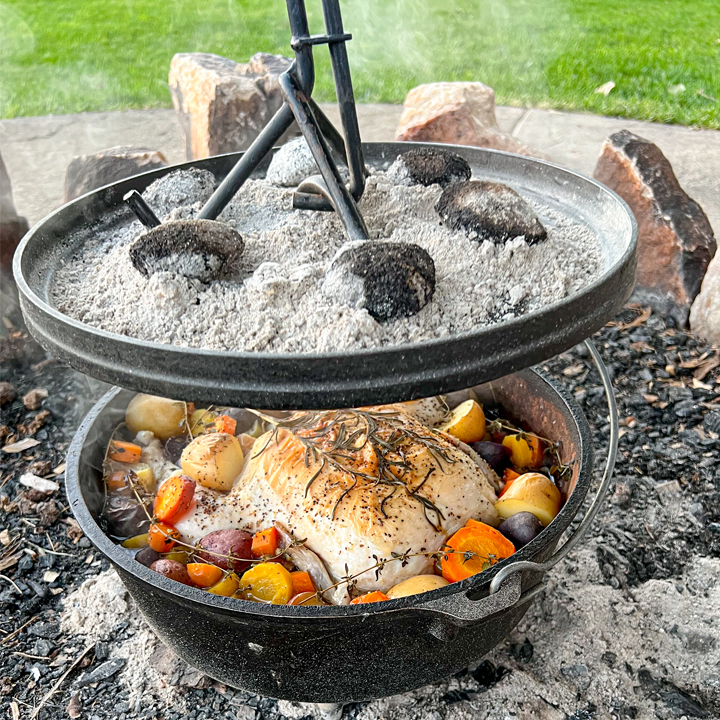
From stovetop searing to oven roasting, and even simmering on a campfire, a Dutch oven is remarkably versatile. It’s the ultimate one-pot solution for countless recipes. You can brown meats and sauté aromatics directly in the pot, then add your liquids and pop it into the oven to finish, saving you from a pile of dirty dishes. This seamless transition between cooking methods is a huge time-saver and a hallmark of its design. It’s truly an overachiever in the kitchen!
Built to Last: An Heirloom Investment
A high-quality Dutch oven isn’t just cookware; it’s an investment, a piece that can literally last for generations. Many enthusiasts speak of passing down their beloved Dutch ovens, often becoming cherished family heirlooms. With proper care, these pots are incredibly durable and resilient, standing up to years of enthusiastic use. Choosing the best Dutch oven means choosing a piece of culinary history that will continue to create new memories for years to come.
Choosing Your Culinary Companion: What Makes the Best Dutch Oven?
With so many options out there, how do you pick the best Dutch oven for your specific needs? It comes down to understanding the key characteristics and matching them to your cooking style and preferences.
Material Matters: Enameled vs. Bare Cast Iron
When we talk about Dutch ovens, we’re usually talking about cast iron, but there are two main finishes:
- Enameled Cast Iron: This is arguably the most popular choice today. It boasts all the heat retention benefits of traditional cast iron but comes with a smooth, durable enamel coating. This coating prevents rusting, eliminates the need for seasoning, and makes cleanup a breeze – often resisting sticking. It’s also non-reactive, meaning you can cook acidic foods like tomato sauces without worrying about metallic flavors or damaging the pot. Brands like Le Creuset and Staub are renowned for their enameled offerings.
- Bare Cast Iron: The traditionalist’s choice. These Dutch ovens require seasoning – a layer of baked-on oil – to create a non-stick surface and prevent rust. While they offer excellent heat properties and are often more budget-friendly, they demand more diligent care. You typically avoid highly acidic foods that can strip the seasoning, and they aren’t usually dishwasher-safe.
“The choice between enameled and bare cast iron for your Dutch oven really boils down to your lifestyle,” says Chef Antoine Dubois, a celebrated culinary instructor specializing in traditional French cooking. “Enameled offers incredible convenience and beauty, perfect for busy home cooks, while bare cast iron, with its unique character, appeals to those who enjoy the ritual of seasoning and have a deep appreciation for heritage cookware.”
Finding the Perfect Size for Your Needs
Size is perhaps the most crucial practical consideration. Dutch ovens come in a wide range, from tiny ¼-quart pots for individual servings to massive 15-quart vessels for large gatherings.
- 5 to 7 Quarts: This is often considered the “sweet spot” for most home cooks. It’s large enough to comfortably prepare family meals, roast a whole chicken, or bake a decent-sized loaf of bread, without being too cumbersome to lift, clean, or store. If you’re just starting your journey to find the best Dutch oven, this is a fantastic size to begin with.
- Smaller (3-4 quarts): Ideal for couples, smaller side dishes, or making smaller batches of soup.
- Larger (8+ quarts): Perfect for entertaining large groups, batch cooking, or making grander roasts.
Round or Oval: Which Shape is Right for You?
Most Dutch ovens are round, fitting perfectly on standard stovetop burners and promoting even heat distribution. They are exceptionally versatile for almost any dish. Oval Dutch ovens, however, shine when you want to cook longer items, such as whole fish, a leg of lamb, or a large poultry. They are particularly brilliant for oven use where burner fit isn’t a concern. If your primary use will be roasting larger cuts of meat, an oval shape could be the best Dutch oven choice.
Handles and Lids: Small Details, Big Impact
Don’t overlook these seemingly minor features!
- Handles: Look for large, sturdy loop handles that provide a secure grip, especially when you’re moving a heavy, hot pot in and out of the oven, often with bulky oven mitts.
- Lid: A tight-fitting lid is non-negotiable for maximizing moisture and flavor retention. Some high-end brands like Staub feature self-basting lids with spikes or rings on the underside that collect condensation and drip it back onto the food, ensuring continuous moisture. The knob should also be oven-safe to high temperatures.
Oven-Safe Capabilities and Heat Thresholds
Ensure your chosen Dutch oven can handle the heat! Most enameled cast iron Dutch ovens are oven-safe up to 500°F (or even 580°F for some Made In models), which is more than sufficient for most baking and roasting. Bare cast iron can typically handle much higher temperatures. Always check the manufacturer’s specifications, especially regarding the lid’s knob material, as some older or less expensive models might have plastic knobs that aren’t high-heat safe.
Ease of Cleaning and Maintenance
Enameled Dutch ovens are generally much easier to clean. Their smooth, non-porous surface resists sticking and can often be washed with warm soapy water and a sponge. While some manufacturers claim dishwasher-safe status, handwashing is almost always recommended to preserve the enamel’s longevity and finish. Bare cast iron requires specific cleaning methods and re-seasoning to maintain its non-stick properties and prevent rust.
Interior Color: A Visual Preference
You’ll typically find Dutch ovens with either light-colored (often cream or tan) or dark-colored (matte black) interiors. Lighter interiors are great for visibility, allowing you to easily monitor fond development and browning, which is crucial for building complex flavors. Darker interiors, on the other hand, tend to hide stains, crazing, and minor scratches better over time, keeping your pot looking newer for longer. It’s largely a personal preference, but knowing the difference can help you decide which is the best Dutch oven for your style.
Top Contenders for the Best Dutch Oven
When it comes to the crème de la crème of Dutch ovens, a few brands consistently rise to the top, each with its own loyal following and specific strengths.
The Luxury Leaders: Le Creuset and Staub
These two French powerhouses are often considered the gold standard in enameled cast iron cookware.
- Le Creuset: Renowned for its iconic vibrant colors, exceptional durability, and outstanding performance. Le Creuset Dutch ovens are often praised for their even heat distribution, comfortable handles, and flawless enamel finish. They are a true aspirational brand, often lasting for generations.
- Staub: Known for its slightly heavier build, self-basting lids with textured interiors (often called ‘spikes’ or ‘picots’), and a more understated, often matte, color palette. Staub cocottes (the French term for Dutch oven) are praised for their robust construction and ability to create incredibly moist and flavorful braises. Many consider them the best Dutch oven for serious braising due to their lid design.
Value-Packed Performers: Lodge and Others
If the price tag of Le Creuset or Staub feels a bit steep, there are fantastic options that deliver excellent performance without breaking the bank.
- Lodge: A revered American brand, Lodge offers highly durable enameled cast iron Dutch ovens that provide exceptional value. They perform admirably, hold heat well, and are significantly more affordable, making them an excellent entry point into the world of Dutch oven cooking.
- Made In, Our Place, Cuisinart, and Milo: Several other brands offer strong competition in the mid-range, often providing stylish designs, good performance, and solid features for their price point. These are great choices if you want a reliable and beautiful Dutch oven without the premium cost.
“When advising someone on finding the best Dutch oven, I always tell them to prioritize function and material quality over just the brand name,” advises Amelia Vance, lead culinary technologist at AMV Review. “While the luxury brands are fantastic, there are many robust, high-performing Dutch ovens available today that can bring incredible value and joy to your kitchen for years. Think about what you’ll cook most often and let that guide your decision.”
Mastering Your Dutch Oven: Tips and Techniques
Once you’ve chosen your best Dutch oven, it’s time to put it to work! Here are some tips to get the most out of this incredible piece of cookware.
Low and Slow: The Secret to Tender Dishes
The Dutch oven excels at low-and-slow cooking. Resist the urge to crank up the heat unnecessarily. Gentle, consistent warmth over a longer period is what truly breaks down tough fibers in meats and vegetables, allowing flavors to meld and creating incredibly tender, succulent results. Avoid frequently lifting the lid, as this releases precious heat and moisture, extending cooking times and impacting the final texture.
Searing for Flavor: Building a Foundation
Unlike a slow cooker, a Dutch oven allows you to build layers of flavor right from the start. Always begin by searing your meats and sautéing your aromatics (onions, garlic, carrots, celery) on the stovetop. This caramelization (the Maillard reaction) creates deep, complex flavors that become the foundation of your entire dish. Once browned, you can deglaze the pot with wine or broth, scraping up all those delicious bits from the bottom, before adding the rest of your ingredients and moving it to the oven.
Caring for Your Investment: Cleaning and Seasoning
Proper care ensures your Dutch oven lasts a lifetime.
- Enameled Cast Iron: Let the pot cool completely before cleaning. Wash with warm soapy water and a non-abrasive sponge or brush. For stubborn stuck-on bits, fill the pot with water, bring to a simmer, and scrape with a wooden spoon, then clean as usual. Avoid harsh cleaners or metal utensils that can scratch the enamel.
- Bare Cast Iron: After each use, wash with hot water and a stiff brush (no soap, as it can strip seasoning). Dry thoroughly on the stovetop over low heat. Once dry, apply a very thin layer of cooking oil to the interior to maintain the seasoning.
Delicious Adventures: What to Cook in Your Best Dutch Oven
The possibilities are endless with your Dutch oven! Here are just a few ideas to get your culinary creativity flowing.
Hearty Soups and Stews
From a comforting beef bourguignon to a spicy chili or a classic chicken noodle soup, the Dutch oven is the ideal vessel. Its ability to retain heat and simmer gently creates rich broths and tender ingredients, perfect for nourishing meals.
Perfectly Braised Meats
Braising is where the Dutch oven truly shines. Think tender pot roasts, succulent short ribs, or flavorful coq au vin. The controlled, moist heat transforms tough cuts of meat into fall-apart perfection, infused with aromatic liquids.
Artisan Bread at Home
Many home bakers swear by their Dutch oven for baking crusty, chewy artisan bread. The enclosed, hot environment mimics a professional steam injection oven, creating a beautiful, crispy crust and a moist, airy interior. It’s a game-changer for homemade loaves.
Frequently Asked Questions (FAQ)
What is the ideal size for a family Dutch oven?
For most families of 4-6, a 5- to 7-quart round Dutch oven is considered the most versatile and ideal size. It’s large enough for main dishes and roasts without being overly bulky.
Can I use my Dutch oven on any stovetop?
Yes, most Dutch ovens are highly versatile. They can be used on gas, electric, ceramic, and induction stovetops. However, on electric coil or glass stovetops, be mindful of sliding the heavy pot, as it can scratch the surface.
How do I prevent my enameled Dutch oven from chipping?
To prevent chipping, handle your enameled Dutch oven carefully, avoid dropping it, and use silicone, wooden, or heat-resistant plastic utensils instead of metal ones. Also, avoid extreme temperature changes, such as placing a hot pot directly into cold water.
Is a more expensive Dutch oven always better?
While premium brands like Le Creuset and Staub offer exceptional quality, durability, and often a wider range of colors, a higher price doesn’t always mean it’s the only best Dutch oven. Many mid-range and budget-friendly options, such as Lodge, provide excellent performance and value for everyday cooking. Your choice should align with your budget and cooking needs.
What’s the difference between a Dutch oven and a slow cooker?
A Dutch oven is a versatile, heavy pot typically made of cast iron that can be used on the stovetop and in the oven for searing, simmering, baking, and braising. A slow cooker, on the other hand, is an electric appliance designed specifically for cooking food at low temperatures over many hours, usually without initial searing. The Dutch oven offers more cooking flexibility and can achieve a wider range of culinary techniques.
Unlock Your Culinary Potential
The journey to finding the best Dutch oven is truly an exciting one, opening up a world of rich flavors, tender textures, and effortless one-pot meals. Whether you’re drawn to the vibrant elegance of an enameled classic or the rugged tradition of bare cast iron, this indispensable piece of cookware will transform your kitchen and inspire countless delicious adventures. So, go ahead, choose your perfect Dutch oven, and get ready to create culinary masterpieces that will delight your senses and nourish your loved ones for years to come. Happy cooking!