Step into any seasoned kitchen, and you’re likely to find one essential piece of cookware that stands above the rest: the cast iron Dutch oven. This workhorse pot isn’t just a trend; it’s a timeless staple, cherished for its incredible versatility and the unparalleled results it delivers. If you’re on the hunt for the best cast iron Dutch oven to elevate your culinary game, you’ve come to the right place. We’re here to cut through the noise and help you discover the perfect pot that will become your kitchen’s most beloved companion.
|
Our Picks for the Best Dutch Oven in 2026
As an Amazon Associate I earn from qualifying purchases.
|
||
| Num | Product | Action |
|---|---|---|
| 1 | Amazon Basics Cast Iron Dutch Oven Pot with Lid, Enameled, Round, Dual Handles, Heavy-Duty, Medium, 6-Quart, Blue |

|
| 2 | Signature Enameled Cast Iron Oval Dutch Oven | Non-Stick Serving Pot with Tight Fitting Lid for Perfect Roasting, Baking, Sauteing, and Bread Making | 5Q [Ocean Blue] |
|
| 3 | Overmont Enameled Cast Iron Dutch Oven - 5.5QT Pot with Lid Cookbook & Cotton Potholders - Heavy-Duty Cookware for Braising, Stews, Roasting, Bread Baking Cream White |
|
| 4 | Lodge 6 Quart Enameled Cast Iron Dutch Oven with Lid – Dual Handles – Oven Safe up to 500° F or on Stovetop - Use to Marinate, Cook, Bake, Refrigerate and Serve – Blue |
|
| 5 | Lodge 6 Quart Enameled Cast Iron Dutch Oven with Lid – Dual Handles – Oven Safe up to 500° F or on Stovetop - Use to Marinate, Cook, Bake, Refrigerate and Serve – Indigo |
|
| 6 | Enameled Cast Iron Dutch Oven - Umite Chef 5QT Pot with Lid & Cotton Potholders - Heavy-Duty Cookware for Bread Baking, Braising, Stews, Roasting(Cream White) |
|
| 7 | Oval Dutch Oven Pot with Lid, Enamel Coating Cast Iron Bread Pans for Homemade Sourdough Bread Baking, Cooking, 4 Quart, Blue |
|
| 8 | Lodge 6 Quart Enameled Cast Iron Dutch Oven with Lid – Dual Handles – Oven Safe up to 500° F or on Stovetop - Use to Marinate, Cook, Bake, Refrigerate and Serve – Indigo |
|
| 9 | GreenPan x Bobby Flay 5.5QT Enameled Cast Iron Round Dutch Oven with Lid, Dual Handles, Oven Safe to 500F & Induction Suitable, Self Basting Lid, Ultra-Durable, Sear, Braising, Bread, Stews, Cobalt |
|
| 10 | Enamel Cast Iron Dutch Oven with Lid, Round Casserole Pot for Bread Baking, Braising, Roasting, and Stews, Heavy-Duty, Oven Safe, Induction Compatible (4.7QT,Red) |
|
A Legacy of Flavor: The History and Enduring Importance of the Dutch Oven
The Dutch oven’s roots stretch back centuries, with its design evolving from simple cast iron cooking vessels used over open fires. The name itself is thought to have come from the Dutch method of casting iron with dry sand molds, a technique that produced superior results. Throughout history, this heavy, lidded pot became indispensable in kitchens worldwide, proving its worth for everything from baking bread in colonial America to slow-simmering stews in European homes. Its enduring appeal lies in its fundamental design: a thick, robust body and a tight-fitting lid, perfect for locking in moisture and heat. It’s a testament to good design that something so simple can remain so vital in modern cooking.
Decoding Your Choice: Enameled vs. Bare Cast Iron Dutch Ovens
When you set out to find the best cast iron Dutch oven, one of the first decisions you’ll face is between enameled and bare (or seasoned) cast iron. Each has its unique charm and benefits, catering to different cooking styles and preferences.
Enameled Cast Iron: The Colorful Workhorse
Enameled cast iron Dutch ovens are coated with layers of glass (enamel) fused to the cast iron, creating a smooth, non-reactive surface. These are typically the vibrant, colorful pots you see adorning kitchens and magazine pages.
Pros:
- Easy Care: No need for seasoning. The enamel surface prevents rust and is generally easier to clean than bare cast iron.
- Acidic Foods Welcome: You can cook acidic ingredients like tomatoes, wine, or citrus without worrying about reactivity or stripping the seasoning.
- Aesthetic Appeal: Available in a vast array of colors, allowing you to match your kitchen decor or add a pop of personality.
- Non-Stick (with care): While not truly non-stick like Teflon, a well-cared-for enameled surface performs very well.
Cons:
- Can Chip: The enamel coating, if dropped or struck with metal utensils, can chip.
- Higher Price Point: High-quality enameled Dutch ovens, especially from premium brands, tend to be more expensive.
- Less Suitable for Open Flames: Not typically recommended for direct use over campfires or grills due to potential enamel damage.
Bare Cast Iron: The Rustic Traditionalist
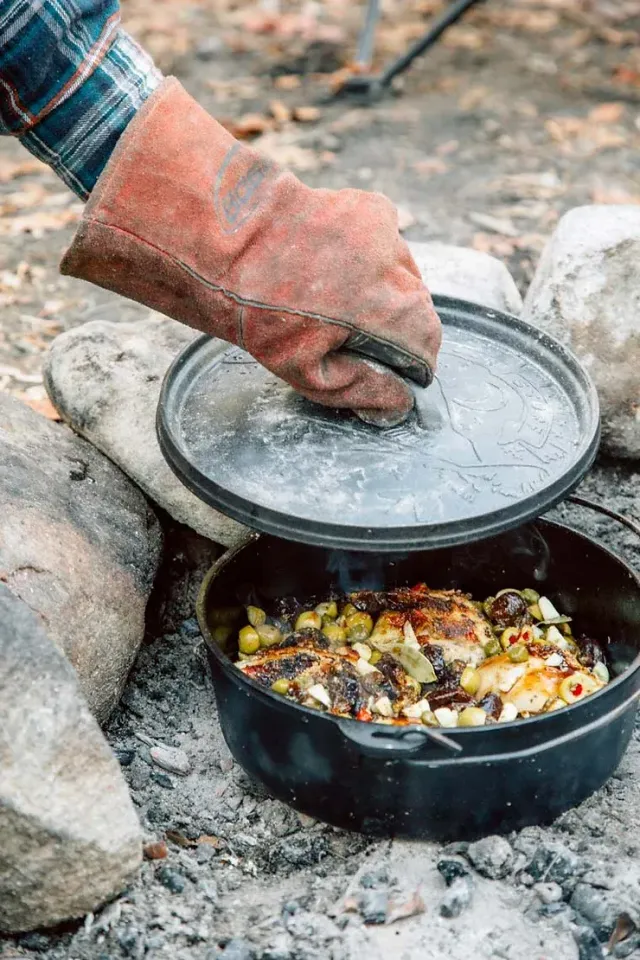
Bare cast iron Dutch ovens are the raw, uncoated version, requiring seasoning – a layer of baked-on oil that creates a natural, non-stick surface and protects against rust. These are the rugged, dark pots often associated with campfire cooking.
Pros:
- Incredibly Durable: Can withstand extremely high temperatures and rough handling, making them ideal for outdoor cooking.
- More Affordable: Generally less expensive than their enameled counterparts.
- Natural Non-Stick: A well-seasoned bare cast iron pot develops a fantastic non-stick surface over time.
- Thermal Performance: Excellent heat retention and distribution, even without enamel.
Cons:
- Requires Seasoning: Needs to be seasoned regularly and maintained carefully to prevent rust.
- Reactive to Acidic Foods: Acidic ingredients can strip the seasoning and impart a metallic taste to food.
- More Maintenance: Requires specific cleaning methods (no harsh soaps) and immediate drying.
Key Factors When Choosing Your Best Cast Iron Dutch Oven
Picking the best cast iron Dutch oven isn’t just about brand names; it’s about finding the right fit for your cooking needs and lifestyle.
Size and Capacity: How Much Can It Hold?
Consider how many people you typically cook for. A good rule of thumb is one quart per person, then round up for leftovers or batch cooking.
- 1-2 Quarts: Ideal for single servings, sides, or small households.
- 3-4 Quarts: Suitable for small families (2-3 people) or everyday cooking.
- 5-6 Quarts: The most popular and versatile size for most households (3-5 people), perfect for stews, roasts, and baking bread.
- 7-8 Quarts: Great for larger families, entertaining guests, or preparing bigger cuts of meat.
- 9+ Quarts: Best for very large gatherings, serious batch cooking, or whole poultry.
Shape: Round or Oval?
- Round: The most common and versatile shape, fitting easily on most stovetop burners and in ovens. Excellent for general cooking.
- Oval: Ideal for roasting longer cuts of meat, like a whole chicken or a leg of lamb, which might not fit in a round pot. Can be trickier to heat evenly on a standard stovetop burner.
Lid Design: The Secret Weapon
A tight-fitting lid is crucial for trapping moisture and creating a self-basting environment. Some premium brands, like Staub, feature specialized lids with “spikes” or “dimples” on the underside, designed to collect condensation and drip it back onto the food, ensuring incredibly moist results. Other brands feature traditional domed lids, which also perform well.
Handles and Weight: Lift with Ease (or Caution)
Cast iron is heavy, and a full Dutch oven can be significantly so. Look for pots with wide, sturdy handles that offer a secure grip, especially when transferring from stovetop to oven or sink. Some brands, like Le Creuset, are known for their relatively lighter cast iron, which can be a deciding factor for some cooks.
Budget and Brand: Investing in an Heirloom
The price range for cast iron Dutch ovens is vast. High-end brands like Le Creuset and Staub are a significant investment, but they are renowned for their quality, durability, and often come with lifetime warranties, truly making them heirloom pieces. More budget-friendly options from brands like Lodge, Cuisinart, or Tramontina still offer excellent performance and are a great entry point into Dutch oven cooking. Consider your budget and how often you plan to use the pot.
Aesthetics and Color Options: A Personal Touch
Especially for enameled Dutch ovens, the color and finish can be a big draw. With a rainbow of options available, you can choose a pot that complements your kitchen or stands out as a statement piece.
Top Contenders: A Glimpse at Some of the Best Cast Iron Dutch Ovens
While the “best” often comes down to personal preference, certain brands consistently earn high marks for their quality and performance.
- Le Creuset: Often praised for its lighter weight, extensive color palette, and exceptional heat distribution. It’s a luxurious choice known for its elegant design and reliable cooking.
- Staub: Valued for its self-basting lids, excellent searing capabilities, and robust construction. Many chefs favor Staub for its consistent, moist cooking results.
- Lodge: An American classic offering fantastic value. Lodge produces both bare and enameled cast iron Dutch ovens that are durable, perform well, and are much more accessible for everyday cooks. Their bare cast iron double Dutch oven, where the lid doubles as a skillet, is a particularly versatile option.
- Smithey Ironware: Known for its beautifully crafted, polished cast iron with a rustic appeal, offering a smooth cooking surface and excellent heat retention.
- Made In: Offers high-quality enameled cast iron, often with a focus on specific features like oval shapes for larger roasts.
Mastering Your Pot: How to Use and Care for Your Cast Iron Dutch Oven
Getting the most out of your best cast iron Dutch oven means understanding how to use and care for it properly.
Initial Use and Seasoning (Bare Cast Iron)
Bare cast iron comes pre-seasoned but benefits from additional seasoning. To season, apply a thin layer of cooking oil (like vegetable or grapeseed oil) to the entire pot, inside and out. Bake it upside down in a hot oven (around 450-500°F or 230-260°C) for an hour, then let it cool. Repeat this process a few times for a robust, non-stick surface.
For enameled cast iron, a simple wash with warm soapy water before the first use is all that’s needed.
Cooking Tips for Incredible Results
- Preheating is Key: Always preheat your Dutch oven slowly over medium-low heat. Cast iron holds heat exceptionally well, so rushing this step can lead to scorching.
- Searing Power: Its ability to retain high heat makes it perfect for searing meats, developing a delicious crust and a rich “fond” (browned bits) at the bottom of the pot, which forms the base for flavorful sauces.
- From Stovetop to Oven: The Dutch oven’s oven-safe nature (check temperature limits for enameled models) makes it ideal for dishes that start on the stovetop and finish in the oven, like braises and casseroles.
- Baking Bread: It’s a favorite for no-knead bread recipes, creating a steamy environment that mimics a professional bread oven, resulting in a perfect crust.
Cleaning and Maintenance: Keeping It Pristine
For Enameled Cast Iron:
- Allow the pot to cool completely before washing.
- Hand wash with warm, soapy water and a non-abrasive sponge or brush.
- Avoid metal scouring pads or harsh detergents, which can damage the enamel.
- For stubborn stains, fill with water, bring to a simmer, and scrape with a wooden spoon, or use a baking soda paste.
For Bare Cast Iron:
- Clean immediately after use while still warm.
- Scrape food residue with a flat-edged spatula or a stiff brush.
- Wash with hot water. A small amount of mild soap is acceptable if you re-season afterwards.
- Thoroughly dry the pot immediately after washing to prevent rust. You can place it on low heat on the stovetop for a few minutes to ensure it’s completely dry.
- Apply a very thin layer of cooking oil before storing.
“The secret to a truly great cast iron Dutch oven isn’t just in its initial quality, but in how you treat it. With consistent, loving care, these pots don’t just last; they improve with every meal, becoming an extension of your culinary legacy,” shares Chef Elena Petrova, a celebrated authority on traditional cooking methods.
The Undeniable Benefits of Cooking with a Cast Iron Dutch Oven
Beyond its durability, the best cast iron Dutch oven brings a host of benefits to your kitchen:
- Even Heat Distribution and Retention: The thick cast iron ensures heat spreads evenly across the bottom and up the sides, eliminating hot spots. Once hot, it stays hot, making it energy-efficient and perfect for maintaining consistent temperatures.
- Incredible Versatility: It truly is a multi-tasker. Use it for searing, sautéing, braising, slow cooking, boiling, deep-frying, and even baking bread or roasting a chicken, both on the stovetop and in the oven.
- Durability and Heirloom Quality: A well-made cast iron Dutch oven is an investment that can last for generations, often passed down as a treasured family heirloom.
- Enhanced Flavor Development: The robust heating and the ability to build a fond on the cooking surface contribute to deeper, more complex flavors in your dishes.
Delicious Dishes to Create in Your Cast Iron Dutch Oven
With your best cast iron Dutch oven, the culinary possibilities are endless:
- Hearty Braised Meats: Think succulent pot roasts, tender short ribs, or flavorful lamb shanks, slow-cooked until they fall off the bone.
- Rich Stews and Soups: From classic beef bourguignon to comforting chicken noodle soup, the Dutch oven excels at simmering meals that develop deep flavors.
- Artisan No-Knead Bread: Achieve a bakery-quality loaf with a crispy crust and a soft, airy interior.
- Crispy Deep-Fried Chicken: The excellent heat retention makes it ideal for maintaining oil temperature for perfect frying.
- One-Pot Pasta Dishes: Cook pasta directly in the sauce for maximum flavor and minimal cleanup.
Frequently Asked Questions About the Best Cast Iron Dutch Oven
Q: What size cast iron Dutch oven is best for a family of four?
A: For a family of four, a 5 to 6-quart cast iron Dutch oven is generally considered the most versatile and ideal size, allowing for generous main dishes and some leftovers.
Q: Can I use my cast iron Dutch oven on an induction cooktop?
A: Yes, cast iron (both bare and enameled) is magnetic, making it fully compatible with induction cooktops, where it performs exceptionally well due to its even heating.
Q: Is it safe to put an enameled cast iron Dutch oven in the oven?
A: Absolutely! Most enameled cast iron Dutch ovens are oven-safe, typically up to 500°F (260°C). Always check the manufacturer’s specific temperature recommendations, especially for knob materials.
Q: How do I remove stubborn stains from my enameled Dutch oven?
A: For tough stains, try making a paste of baking soda and a little water, apply it to the stain, let it sit for a few hours, then gently scrub with a non-abrasive sponge. Boiling water with a few tablespoons of baking soda can also help lift darkened residues.
Q: How often should I season my bare cast iron Dutch oven?
A: The frequency depends on how often you use and clean it. Generally, a bare cast iron Dutch oven should be re-seasoned whenever its non-stick properties diminish or if you notice dull spots, roughly every few months with regular use.
Your Culinary Journey Starts Here
The journey to finding the best cast iron Dutch oven is a rewarding one, leading you to a kitchen essential that promises a lifetime of delicious meals and cherished memories. Whether you opt for the vibrant allure of enameled cast iron or the rugged charm of bare, you’re investing in a piece of cookware that will inspire creativity, deliver exceptional results, and stand the test of time. So, go ahead, choose your perfect Dutch oven, and start braising, baking, and stewing your way to culinary greatness.