Every culinary journey benefits from a trusty companion, and for countless home cooks and professional chefs alike, that companion is the Dutch oven. It’s more than just a pot; it’s a vessel of tradition, a cornerstone for flavor, and a gateway to unforgettable meals. Here at AMV Review Dutch Oven, we’re passionate about uncovering the secrets and celebrating the timeless appeal of this remarkable piece of cookware. Our mission is to deepen your understanding, inspire your creativity, and guide you toward the perfect Dutch oven that will become a cherished part of your kitchen story. Whether you’re simmering a rich stew, baking a crusty loaf, or braising meats to fall-off-the-bone perfection, choosing from the best Dutch oven brands is the first step towards culinary excellence.
|
Our Picks for the Best Dutch Oven in 2026
As an Amazon Associate I earn from qualifying purchases.
|
||
| Num | Product | Action |
|---|---|---|
| 1 | Lodge 6 Quart Enameled Cast Iron Dutch Oven with Lid – Dual Handles – Oven Safe up to 500° F or on Stovetop - Use to Marinate, Cook, Bake, Refrigerate and Serve – Indigo |

|
| 2 | Oval Dutch Oven Pot with Lid, Enamel Coating Cast Iron Bread Pans for Homemade Sourdough Bread Baking, Cooking, 4 Quart, Blue |
|
| 3 | Overmont Enameled Cast Iron Dutch Oven - 5.5QT Pot with Lid Cookbook & Cotton Potholders - Heavy-Duty Cookware for Braising, Stews, Roasting, Bread Baking Cream White |
|
| 4 | Amazon Basics Cast Iron Dutch Oven Pot with Lid, Enameled, Round, Dual Handles, Heavy-Duty, Medium, 6-Quart, Blue |
|
| 5 | Lodge 6 Quart Enameled Cast Iron Dutch Oven with Lid – Dual Handles – Oven Safe up to 500° F or on Stovetop - Use to Marinate, Cook, Bake, Refrigerate and Serve – Indigo |
|
| 6 | GreenPan x Bobby Flay 5.5QT Enameled Cast Iron Round Dutch Oven with Lid, Dual Handles, Oven Safe to 500F & Induction Suitable, Self Basting Lid, Ultra-Durable, Sear, Braising, Bread, Stews, Cobalt |
|
| 7 | Lodge 6 Quart Enameled Cast Iron Dutch Oven with Lid – Dual Handles – Oven Safe up to 500° F or on Stovetop - Use to Marinate, Cook, Bake, Refrigerate and Serve – Blue |
|
| 8 | Signature Enameled Cast Iron Oval Dutch Oven | Non-Stick Serving Pot with Tight Fitting Lid for Perfect Roasting, Baking, Sauteing, and Bread Making | 5Q [Ocean Blue] |
|
| 9 | Enameled Cast Iron Dutch Oven - Umite Chef 5QT Pot with Lid & Cotton Potholders - Heavy-Duty Cookware for Bread Baking, Braising, Stews, Roasting(Cream White) |
|
| 10 | Enamel Cast Iron Dutch Oven with Lid, Round Casserole Pot for Bread Baking, Braising, Roasting, and Stews, Heavy-Duty, Oven Safe, Induction Compatible (4.7QT,Red) |
|
The Enduring Legacy of the Dutch Oven
The story of the Dutch oven is a fascinating one, deeply rooted in culinary history. Its origins can be traced back to 17th-century Netherlands, where a groundbreaking technique for casting metal in sand molds was developed, producing remarkably smooth pots. This innovation caught the eye of an English industrialist named Abraham Darby, who, in the early 18th century, refined this process and applied it to cast iron. The result? A durable, affordable, and incredibly effective cooking pot that he aptly named the “Dutch oven.”
As these robust pots made their way across the Atlantic to the American colonies, they became indispensable for pioneers and settlers. Figures like Paul Revere are even credited with refining the design, adding legs to stand over coals and a flanged lid to hold embers for even top-down heating. From chuckwagons on the open range to hearths in colonial homes, the Dutch oven was a symbol of self-sufficiency and delicious sustenance, a legacy that continues to make it an essential tool in kitchens today. In fact, it’s so revered that it’s the official state cooking pot of Utah!
Why a Dutch Oven is Your Kitchen’s MVP (Most Versatile Pot)
A Dutch oven isn’t just another item cluttering your cupboard; it’s a true Most Versatile Pot, capable of transforming simple ingredients into extraordinary dishes. Its unique design and construction offer unparalleled cooking advantages.
Superior Heat Retention & Distribution
At its heart, a Dutch oven excels due to its incredible ability to retain and distribute heat evenly. The thick walls and heavy base of cast iron—whether bare or enameled—absorb heat slowly and release it consistently across the entire cooking surface. This eliminates hot spots, ensuring your food cooks uniformly without burning in one area while remaining undercooked in another. This characteristic is precisely what makes it ideal for slow cooking and braising, where steady, gentle heat is crucial for tenderizing tough cuts of meat and allowing flavors to meld beautifully.
Moisture & Flavor Mastery
One of the most remarkable features of a Dutch oven is its tight-fitting lid. This lid creates a sealed cooking environment, trapping steam and moisture inside. For dishes like stews, roasts, and braises, this means your food stays incredibly moist and flavorful, as the natural juices are continually circulated back into the dish. Some advanced designs, like those from Staub, even feature self-basting lids with spikes or textured surfaces that actively collect condensation and redistribute it over your food, ensuring an even moister result.
Versatility Beyond Compare
Few pieces of cookware can rival the Dutch oven’s versatility. It moves seamlessly from stovetop to oven, opening up a world of culinary techniques. You can use it to:
- Sear meats to develop a rich, savory crust before braising.
- Sauté vegetables for aromatic foundations to your dishes.
- Slow cook hearty soups and stews.
- Roast whole chickens or large cuts of meat, keeping them juicy.
- Bake artisan-style bread, creating that coveted crispy crust and airy interior thanks to the steamy environment.
- Deep fry with stable oil temperatures for perfectly crispy results.
This multi-functionality means you often need fewer specialized pots and pans, making your kitchen more efficient.
Healthy Cooking Companion
Beyond its culinary performance, a Dutch oven can also contribute to healthier cooking. When used for slow cooking, it helps preserve nutrients in ingredients by utilizing lower temperatures, which can be beneficial for certain vitamins and reducing the formation of advanced glycation end products (AGEs) in meats. Many modern Dutch ovens, especially enameled or ceramic varieties, feature non-toxic coatings that prevent leaching of harmful substances into your food, offering peace of mind alongside delicious results.
Understanding Your Options: Types of Dutch Ovens & What to Look For
Navigating the world of Dutch ovens can feel a bit daunting with so many options available. Let’s break down the main types and key features to help you make an informed choice.
Materials Matter
The material of your Dutch oven significantly impacts its performance, maintenance, and durability.
Enameled Cast Iron
This is arguably the most popular type today, offering the best of both worlds. It combines the superior heat retention and distribution of cast iron with a protective, non-reactive glass enamel coating.
- Pros: Easy to clean, doesn’t require seasoning, non-reactive (safe for acidic foods like tomatoes), comes in a vast array of beautiful colors, and is highly durable, often lasting generations.
- Cons: Can be very heavy, the enamel can chip if dropped or scraped with metal utensils, and it typically comes with a higher price tag than bare cast iron.
Bare Cast Iron
The traditional choice, beloved for its ruggedness and exceptional performance.
- Pros: Outstanding heat retention, incredibly durable (can be used over open fires), and generally more affordable.
- Cons: Requires regular seasoning to maintain its non-stick properties and prevent rust, can react with acidic foods (leading to a metallic taste), and is heavy.
Ceramic/Stoneware
These Dutch ovens are often lighter than cast iron and can be excellent for certain tasks.
- Pros: Lighter weight, good for even heat in the oven, and suitable for stews and baking bread.
- Cons: More susceptible to cracking or shattering from sudden temperature changes or impacts.
Key Features to Consider
When choosing your Dutch oven, look beyond the brand name at these practical features:
- Size: For most home cooks, a 5 to 6-quart round Dutch oven is the sweet spot. It’s versatile enough for family meals, can comfortably fit a whole chicken, and many recipes are designed for this capacity. Smaller sizes (1-3 quart) are great for side dishes or individual portions, while larger ones (7-13 quart) are perfect for big gatherings or batch cooking.
- Shape: Round Dutch ovens are best for all-around stovetop use, fitting standard burners and distributing heat evenly. Oval shapes shine in the oven, ideal for roasting longer items like whole poultry or pork loin.
- Lid Design: A tight-fitting lid is non-negotiable for retaining moisture and flavor. Some brands offer innovative lids with self-basting features (like interior spikes) that condense steam and drip it back onto the food, ensuring maximum juiciness.
- Handles: Look for wide, comfortable handles that provide a secure grip, especially when maneuvering a heavy pot in and out of a hot oven while wearing oven mitts.
- Interior Color: Lighter interiors (often seen in Le Creuset) make it easier to monitor browning and fond development. Darker interiors (common in Staub) are excellent at hiding stains and discoloration that naturally occur over years of use, keeping your pot looking pristine.
- Oven-Safe Temperature: Always check the manufacturer’s maximum oven-safe temperature, especially for lids and knobs. While the cast iron body can withstand high heat, some phenolic knobs may have lower limits.
Spotlight on Excellence: The Best Dutch Oven Brands of 2025
Now, let’s dive into the brands that truly stand out in the Dutch oven landscape, offering options for every budget and cooking style.
Premium Picks: Heirloom Quality That Lasts a Lifetime
These brands represent the pinnacle of Dutch oven craftsmanship, offering exceptional performance and durability that justify their investment.
Le Creuset
A French icon, Le Creuset is synonymous with aspirational cookware and vibrant kitchen aesthetics.
- Why it shines: Le Creuset is renowned for its heirloom quality, striking array of colors, and diverse sizes and shapes. Their enameled cast iron is often considered the lightest per quart in the industry, making it easier to handle. The flawlessly enameled interior and exterior ensure even heating and easy searing, with a tight-fitting lid that seals in moisture.
- Our take: “Le Creuset isn’t just cookware; it’s a culinary investment that elevates every dish and lasts a lifetime, often passed down through generations.” – Chef Anya Sharma, Culinary Historian.
Staub
Another French powerhouse, Staub is celebrated for its robust build and performance-driven features.
- Why it shines: Staub’s cocottes are built like tanks, known for their exceptional durability and chef-quality results. A standout feature is their self-basting lids, designed with proprietary spikes that continuously return moisture to the food, leading to incredibly tender and succulent dishes. The dark interior enamel is a favorite among many, as it effectively hides stains and discoloration from searing and long cooks.
- Our take: “Staub’s self-basting lids are a game-changer for succulent braises, ensuring every bite is infused with flavor and reaches an unmatched level of tenderness.” – Pierre Dubois, Artisan Baker.
Smithey
For those who appreciate classic bare cast iron craftsmanship with a refined touch, Smithey offers polished, high-end options.
- Why it shines: Smithey Dutch ovens are praised for their outstanding heat retention, durable construction, and smooth, pre-seasoned surfaces. They embody a return to traditional cast iron excellence, offering a pan that will develop a beautiful patina over time.
Workhorse Wonders: Value & Performance for Everyday Cooking
These brands offer fantastic performance without the premium price tag, making high-quality Dutch oven cooking accessible to more home cooks.
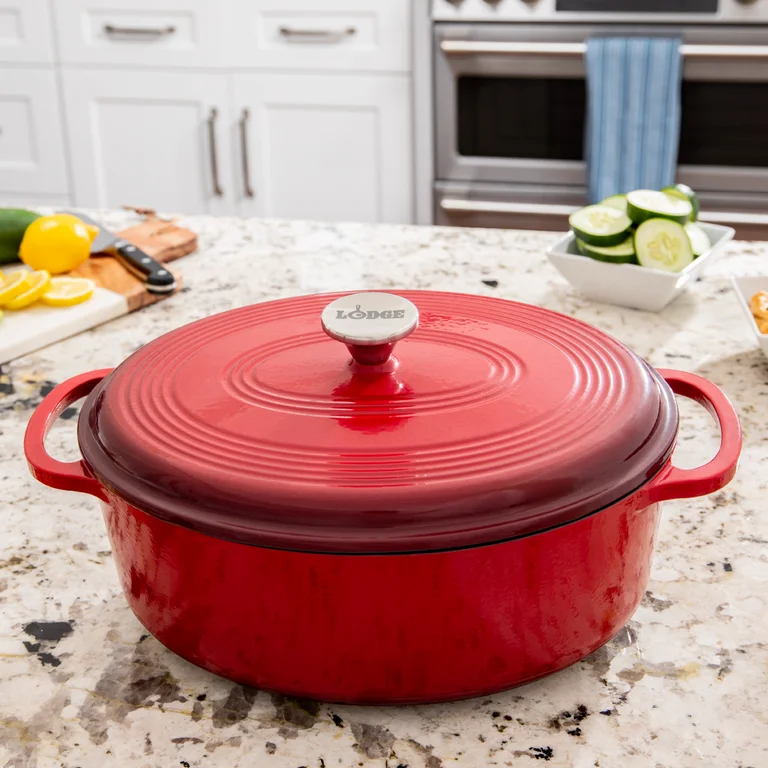
Lodge
An American classic, Lodge is best known for its traditional cast iron, but its enameled Dutch ovens are equally impressive.
- Why it shines: Lodge provides top-notch enameled cast iron at a highly reasonable price point. Their Dutch ovens are sturdy, well-crafted, and offer excellent heat distribution and retention, rivaling more expensive brands in performance. Their bare cast iron double Dutch oven is also a fantastic, versatile option.
- Our take: “Lodge proves that exceptional Dutch oven cooking doesn’t have to break the bank. Their enameled pieces offer fantastic performance and durability, making them a go-to for daily culinary adventures.” – Sarah Jenkins, Home Cook & Food Blogger.
Cuisinart / Crock-Pot Artisan / Amazon Basics
These brands offer excellent entry-level and mid-range enameled cast iron Dutch ovens.
- Why they shine: Often featuring designs similar to their high-end counterparts, including self-basting lids and robust cast iron construction, these brands provide great value. They’re perfect for those new to Dutch oven cooking or anyone looking for a dependable pot without a significant investment.
Innovative & Specialty Brands
The market also features newer or more niche brands that bring unique aesthetics, materials, or specialized functionalities.
Caraway / Great Jones / Made In
These brands often focus on modern design, non-toxic coatings, and specific aesthetic appeals.
- Why they shine: Caraway offers ceramic-coated Dutch ovens known for their non-stick properties and stylish colors. Great Jones (like The Dutchess oval oven) and Made In provide contemporary options with robust performance and eye-catching designs, appealing to the modern kitchen.
Emile Henry
This French brand specializes in ceramic bakeware.
- Why it shines: Emile Henry produces ceramic Dutch ovens that are particularly excellent for baking bread, known for even heating and cutting down on hot spots, favored by renowned bakers.
Mastering Your Dutch Oven: Tips for Usage and Care
To ensure your Dutch oven—regardless of the brand—lasts a lifetime and performs at its best, a little care goes a long way.
- Preheat Slowly: For enameled cast iron, always preheat your Dutch oven gradually over medium-low heat. This prevents thermal shock, which can damage the enamel.
- Avoid Thermal Shock: Never plunge a hot Dutch oven into cold water or place a cold one directly onto a scorching hot burner. Allow it to cool down naturally before cleaning.
- Hand Wash is Best: While some enameled Dutch ovens are technically dishwasher safe, hand washing with warm, soapy water and a soft sponge is highly recommended to protect the enamel from chipping and preserve its finish.
- Season Bare Cast Iron: If you choose a bare cast iron Dutch oven, regular seasoning is crucial. This involves applying a thin layer of cooking oil and baking it at a high temperature to create a natural, non-stick, rust-resistant surface.
- Use the Right Utensils: Opt for silicone, wooden, or heat-resistant plastic utensils to avoid scratching or chipping the enamel interior of your Dutch oven.
- Store Properly: Ensure your Dutch oven is completely dry before storing to prevent rust (for bare cast iron) or mildew. Placing a paper towel between the pot and lid can help absorb any residual moisture.
Delicious Adventures: Recipes to Try in Your Dutch Oven
The versatility of a Dutch oven makes it perfect for a wide array of mouth-watering dishes. Here are a few classics to get you started:
- Classic Pot Roast: Achieve fork-tender meat and rich, savory vegetables with a long, slow braise.
- No-Knead Bread: The Dutch oven creates a steamy, oven-within-an-oven environment, yielding bakery-quality crusts.
- Hearty Beef Stew: Develop deep, complex flavors as ingredients simmer gently for hours.
- Coq au Vin: French comfort food at its finest, where chicken is braised in red wine with mushrooms and bacon.
- Deep-Fried Chicken: The excellent heat retention helps maintain a consistent oil temperature for perfectly crispy results.
Frequently Asked Questions
Understanding the nuances of Dutch ovens can help you get the most out of your cooking experience.
Q: How big of a Dutch oven do I really need?
A: For most households and recipes, a 5- to 6-quart round Dutch oven is considered the most versatile size, comfortably feeding 4-6 people and accommodating a whole chicken or a large loaf of bread.
Q: Can I put my Dutch oven in the dishwasher?
A: While some enameled cast iron Dutch ovens are technically dishwasher-safe, most manufacturers and experts recommend hand washing. The harsh detergents and high heat of a dishwasher can dull the enamel finish over time and increase the risk of chipping.
Q: What’s the difference between a Dutch oven and a slow cooker?
A: A Dutch oven is a versatile, heavy-duty pot used on both the stovetop and in the oven, allowing for searing and browning before slow cooking. A slow cooker is an electric appliance designed solely for low-temperature, long-duration cooking, but it typically doesn’t offer the browning capabilities of a Dutch oven.
Q: Is enameled cast iron non-stick?
A: Enameled cast iron provides a relatively smooth cooking surface that is less prone to sticking than bare cast iron, especially with proper fat and heat. However, it is not truly “non-stick” in the way that ceramic or PTFE-coated pans are, and some sticking can occur if food is not properly prepared or the pan isn’t sufficiently oiled.
Q: How do I prevent chipping on my enameled Dutch oven?
A: To prevent chipping, avoid using metal utensils, extreme temperature changes, dropping the pot, and abrasive scrubbers. Always place it gently on surfaces and clean it with soft sponges or brushes.
Embrace the Dutch Oven Lifestyle
The Dutch oven is more than just cookware; it’s an invitation to a richer, more flavorful cooking experience. By understanding the best Dutch oven brands and what makes them shine, you’re empowered to choose a piece that will not only enhance your meals but also become a cherished part of your family’s culinary traditions. At AMV Review Dutch Oven, we believe that every home deserves the magic of this timeless pot. So, go ahead, explore the possibilities, and let your Dutch oven inspire countless delicious adventures in your kitchen. Happy cooking!