Stepping into the kitchen, a true culinary enthusiast knows the power of the right tools. And when it comes to crafting meals that nourish and impress, nothing quite rivals the majestic presence of a 10-quart Dutch oven. It’s not just a pot; it’s a statement, a centerpiece, and a workhorse designed for generous cooking and unforgettable flavors. For those who believe that food is love, shared around a bustling table, the 10-quart Dutch oven isn’t merely desirable – it’s essential.
The world of Dutch ovens is vast, but the 10-quart stands out for its sheer capacity and versatility, making it a beloved companion for families, entertainers, and anyone passionate about savoring robust, slow-cooked dishes. This guide, brought to you by AMV Review Dutch Oven, aims to deepen your understanding and inspire your next grand culinary adventure.
|
Our Picks for the Best Dutch Oven in 2026
As an Amazon Associate I earn from qualifying purchases.
|
||
| Num | Product | Action |
|---|---|---|
| 1 | Signature Enameled Cast Iron Oval Dutch Oven | Non-Stick Serving Pot with Tight Fitting Lid for Perfect Roasting, Baking, Sauteing, and Bread Making | 5Q [Ocean Blue] |
![Check Signature Enameled Cast Iron Oval Dutch Oven | Non-Stick Serving Pot with Tight Fitting Lid for Perfect Roasting, Baking, Sauteing, and Bread Making | 5Q [Ocean Blue] on Amazon](https://amvreview.com/wp-content/plugins/amazon-tables/assets/images/buy.png)
|
| 2 | Lodge 6 Quart Enameled Cast Iron Dutch Oven with Lid – Dual Handles – Oven Safe up to 500° F or on Stovetop - Use to Marinate, Cook, Bake, Refrigerate and Serve – Indigo |
|
| 3 | Lodge 6 Quart Enameled Cast Iron Dutch Oven with Lid – Dual Handles – Oven Safe up to 500° F or on Stovetop - Use to Marinate, Cook, Bake, Refrigerate and Serve – Blue |
|
| 4 | Enamel Cast Iron Dutch Oven with Lid, Round Casserole Pot for Bread Baking, Braising, Roasting, and Stews, Heavy-Duty, Oven Safe, Induction Compatible (4.7QT,Red) |
|
| 5 | Amazon Basics Cast Iron Dutch Oven Pot with Lid, Enameled, Round, Dual Handles, Heavy-Duty, Medium, 6-Quart, Blue |
|
| 6 | GreenPan x Bobby Flay 5.5QT Enameled Cast Iron Round Dutch Oven with Lid, Dual Handles, Oven Safe to 500F & Induction Suitable, Self Basting Lid, Ultra-Durable, Sear, Braising, Bread, Stews, Cobalt |
|
| 7 | Overmont Enameled Cast Iron Dutch Oven - 5.5QT Pot with Lid Cookbook & Cotton Potholders - Heavy-Duty Cookware for Braising, Stews, Roasting, Bread Baking Cream White |
|
| 8 | Enameled Cast Iron Dutch Oven - Umite Chef 5QT Pot with Lid & Cotton Potholders - Heavy-Duty Cookware for Bread Baking, Braising, Stews, Roasting(Cream White) |
|
| 9 | Oval Dutch Oven Pot with Lid, Enamel Coating Cast Iron Bread Pans for Homemade Sourdough Bread Baking, Cooking, 4 Quart, Blue |
|
| 10 | Lodge 6 Quart Enameled Cast Iron Dutch Oven with Lid – Dual Handles – Oven Safe up to 500° F or on Stovetop - Use to Marinate, Cook, Bake, Refrigerate and Serve – Indigo |
|
The Heart of the Home Kitchen: Why Size Matters
So, what exactly are we talking about when we say “10-quart Dutch oven”? In simple terms, it’s a substantially sized, thick-walled cooking pot with a tight-fitting lid, offering a generous volume of approximately 9.5 liters. This translates to an impressive capacity, typically ideal for preparing meals for 8 to 12 or more people. Think about it—a helpful rule of thumb often cited is roughly one quart per serving. With a 10-quart model, you’re looking at serving a sizable gathering with ease.
Who is this culinary giant truly for? If you find yourself cooking for a large family, frequently hosting dinner parties, or embracing the efficiency of batch cooking and meal prepping for the week ahead, then the 10-quart Dutch oven is your kitchen’s unsung hero. It provides ample space for larger cuts of meat, abundant vegetables, and liquids, allowing ingredients to simmer beautifully and flavors to meld perfectly without overcrowding. It’s a game-changer for anyone who loves the idea of having delicious, homemade food ready to go, or who simply enjoys the process of creating hearty, satisfying dishes that fill a home with warmth and inviting aromas.
A World of Materials: Choosing Your 10-Quart Companion
When it comes to 10-quart Dutch ovens, you’ll generally encounter two primary materials: enameled cast iron and cast aluminum. Both offer distinct advantages, catering to different cooking styles and preferences.
Enameled Cast Iron: The Classic Workhorse
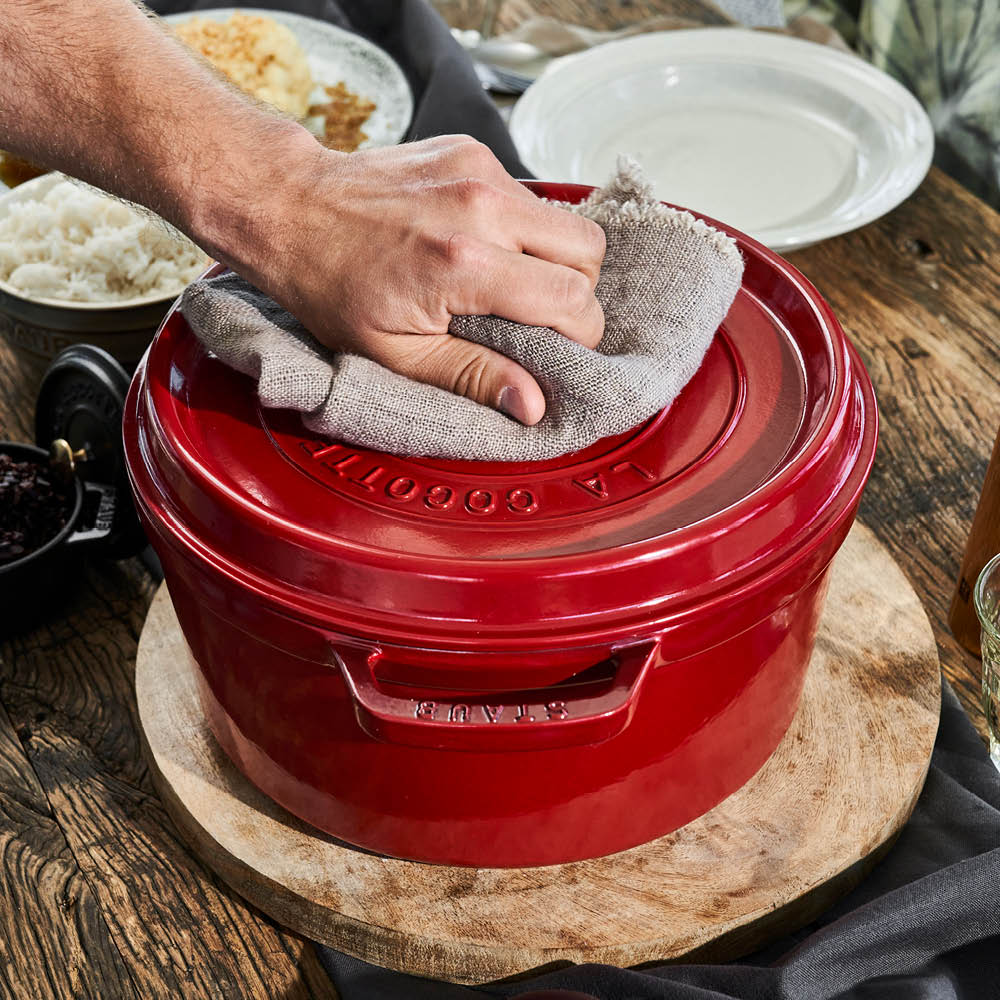
Enameled cast iron Dutch ovens are the quintessential choice for many home cooks and professional chefs. Revered for their exceptional heat distribution and retention capabilities, these pots ensure that every inch of your dish cooks evenly, holding warmth for extended periods, which is fantastic for serving. Brands like Le Creuset and Tramontina are renowned for their enameled cast iron offerings, often oven-safe up to an impressive 480°F to 500°F.
One of the most appealing aspects of enameled cast iron is its low maintenance. Unlike traditional raw cast iron, it doesn’t require seasoning, and clean-up is remarkably straightforward with just soap and water. The enamel coating also prevents rust, making it a durable piece that, with proper care, can truly become a family heirloom. However, be mindful that these beauties can be quite heavy, especially when full, so look for models with large, sturdy handles for easier handling. Using non-metal utensils is also advisable to protect the enamel finish.
Cast Aluminum: The Lightweight Contender
For those who appreciate the robust cooking power of a Dutch oven but prefer a lighter touch, cast aluminum models like those from MagnaWare offer an excellent alternative. These Dutch ovens are notably lighter than their cast iron counterparts, making them much easier to lift, move, and clean. This is a significant advantage, particularly when handling a 10-quart pot brimming with a hearty stew.
Cast aluminum excels at heating quickly and evenly, ensuring consistent cooking results. It’s also rustproof and, similar to enameled cast iron, requires no seasoning, simplifying its maintenance. Many aluminum Dutch ovens are oven-safe, typically up to 450°F. These pots are often celebrated in specific culinary traditions, such as Cajun cooking, where they are considered essential for dishes like gumbo and jambalaya. Customers often highlight their polished finish and ease of use, though it’s worth noting some aluminum models are not dishwasher-safe as it can damage the exterior finish.
Which is Right for You?
Choosing between enameled cast iron and cast aluminum largely depends on your priorities. If you prioritize long-lasting heat retention and don’t mind the weight, enameled cast iron is superb for braises and slow-cooked dishes. If ease of handling, quicker heating, and a lighter pot are more important, especially for large-batch stove-top cooking, then cast aluminum is an outstanding choice.
Beyond the Basics: Mastering Your 10-Quart Dutch Oven
The true magic of a 10-quart Dutch oven lies in its incredible versatility. It’s a kitchen chameleon, ready to tackle nearly any cooking challenge you throw its way.
Unleashing Culinary Versatility: What to Cook
Hearty Soups, Stews, and Chilis for a Crowd
This is where your 10-quart Dutch oven truly shines. Its generous capacity is perfect for simmering huge batches of your favorite comfort foods. Imagine a rich beef stew, a vibrant vegetarian chili, or a creamy butternut squash soup, all cooked to perfection and ready to feed a hungry crowd or provide nourishing leftovers for days.
Perfect Roasts and Braised Meats
The thick walls and tight-fitting lid of a Dutch oven create an ideal environment for roasting whole chickens or turkeys, or braising tougher cuts of meat until they’re fall-off-the-bone tender. The pot traps moisture and flavor, resulting in incredibly succulent and aromatic dishes like a savory pot roast or tender lamb korma.
Baking Wonders: From Sourdough to Casseroles
Yes, your Dutch oven isn’t just for savory dishes! It’s a fantastic vessel for baking. Many avid bakers swear by it for achieving artisan-quality sourdough bread with a perfect crust and chewy interior. Its even heat distribution also makes it great for baking large casseroles, like a decadent mac and cheese or a hearty vegetable gratin.
One-Pot Meal Magic
The beauty of one-pot meals cannot be overstated, and a 10-quart Dutch oven is the ultimate tool for this culinary convenience. From pastas that cook directly in their sauce to flavorful rice dishes, you can create a complete, satisfying meal with minimal cleanup. It’s about more than just reducing dishes; it’s about building layers of flavor within a single vessel.
Caring for Your Culinary Heirloom
A 10-quart Dutch oven is an investment, and proper care will ensure it serves you for generations.
- Initial Cleaning and First Use: Before its maiden voyage, wash your new Dutch oven thoroughly with warm soapy water. For cast iron, dry it completely to prevent rust. Enameled cast iron and cast aluminum typically don’t require seasoning.
- Everyday Cleaning Tips: For most dishes, a simple wash with warm water and dish soap will do. For stubborn stuck-on bits, fill the pot with water and bring it to a simmer on the stovetop for a few minutes, then scrape gently with a wooden or silicone spatula. Avoid harsh abrasives or metal scourers, especially on enameled surfaces. Remember, some aluminum Dutch ovens are not dishwasher safe; always check manufacturer instructions.
- Storage Best Practices: Ensure your Dutch oven is completely dry before storing to prevent any moisture buildup. Store it with the lid slightly ajar or with a paper towel placed between the pot and lid to allow air circulation. Due to its size, a 10-quart model might require dedicated cabinet space or could even be proudly displayed on your stovetop.
The AMV Review Dutch Oven Philosophy: Embracing the Grand Scale
At AMV Review Dutch Oven, we believe that cooking is an act of connection – bringing people together, sharing stories, and savoring moments. The 10-quart Dutch oven perfectly embodies this philosophy. It’s built for abundance, for generosity, and for creating those cherished memories around the dinner table.
“A 10-quart Dutch oven isn’t just about cooking more food; it’s about cooking better food with more intention,” explains Chef Isabella Rossi, lead culinary consultant for AMV Review Dutch Oven. “Its size encourages you to think big, whether it’s experimenting with complex stews for a family reunion or simply ensuring you have enough homemade goodness to share with a neighbor. It transforms cooking into an art of giving.”
This substantial piece of cookware inspires us to embrace larger culinary projects, to delve into traditional recipes that require long, slow cooking, and to nurture our communities through food. It encourages experimentation and offers the freedom to prepare meals that are truly heartwarming and deeply flavorful.
Frequently Asked Questions
Is a 10-quart Dutch oven too big for everyday use?
While it’s a large pot, a 10-quart Dutch oven isn’t necessarily too big for everyday use, especially if you cook for a large family, enjoy batch cooking, or simply love having leftovers. Many find its versatility invaluable for making generous portions of everything from grains to soups.
What’s the best type of 10-quart Dutch oven for baking bread?
Enameled cast iron is widely preferred for baking bread, particularly sourdough, due to its superior heat retention and ability to create a steamy environment essential for a perfect crust and rise.
How do I clean a 10-quart enameled cast iron Dutch oven?
Clean with warm soapy water and a non-abrasive sponge. For stuck-on food, simmer water in the pot with a few tablespoons of baking soda, then gently scrape. Avoid metal utensils or harsh cleaners that could scratch the enamel.
Can I use a 10-quart Dutch oven on an induction cooktop?
Most enameled cast iron Dutch ovens are induction-compatible. For cast aluminum, you’ll need to check the manufacturer’s specifications, as not all aluminum cookware works on induction surfaces.
What’s the difference between a Dutch oven and a stockpot of the same size?
A Dutch oven typically has thicker walls, a heavier construction (especially cast iron), and a tight-fitting lid designed to retain moisture and heat, making it ideal for slow cooking, braising, and baking. A stockpot, while similar in capacity, is generally taller, thinner-walled, and primarily used for boiling, making stocks, or cooking pasta.
Conclusion
The 10-quart Dutch oven is far more than just cookware; it’s a vessel for culinary exploration, a champion of communal dining, and an embodiment of generous cooking. Whether you opt for the classic enameled cast iron or the nimble cast aluminum, this magnificent pot promises to elevate your kitchen experience, encouraging you to create grand, flavorful meals that bring joy and connection to your table. So, embrace the size, unleash your culinary creativity, and let your 10-quart Dutch oven become the heart of countless delicious memories.